
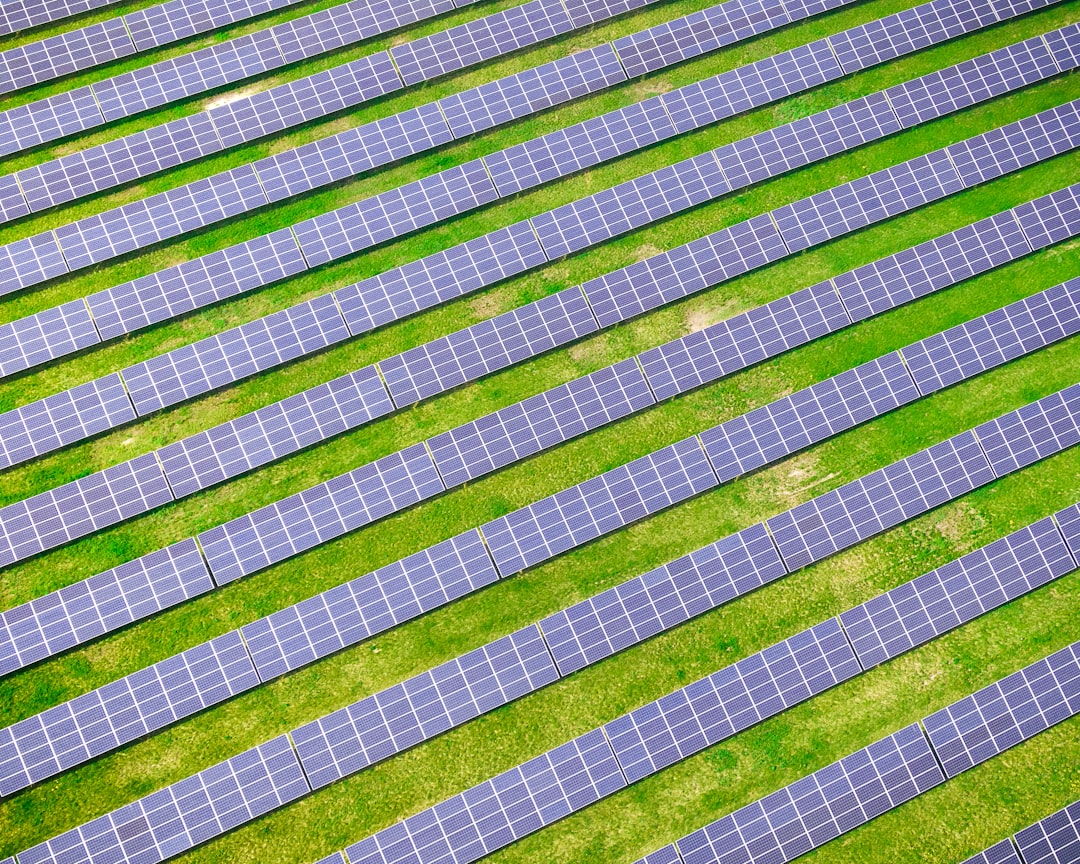
Solar installations in New Zealand have hit a critical mass where the technology is now self-sustaining and economically competitive without subsidies, according to new industry data. The shift marks a major acceleration in the country's renewable energy transition.
According to Radio New Zealand, the "tipping point" refers to the moment when solar power becomes cheaper than grid electricity for most consumers, creating a self-reinforcing cycle of adoption.
While Australia debates winding back EV incentives, New Zealand is quietly hitting renewable energy milestones. The contrast in approaches to climate policy across the Tasman is striking.
New Zealand already generates more than 80% of its electricity from renewable sources - primarily hydro, geothermal, and wind. Solar has been the laggard, held back by lower sunshine hours compared to Australia and higher installation costs.
But technology improvements and falling panel prices have changed the equation. Rooftop solar is now economically attractive for homeowners and businesses without government subsidies. That creates a fundamentally different dynamic than subsidy-dependent adoption.
The implications extend beyond New Zealand's borders. As a developed Pacific nation successfully transitioning to renewable energy, it serves as a potential model for Pacific Island nations pursuing clean energy independence.
Many Pacific Islands currently rely on expensive imported diesel for electricity generation. Solar offers a path to energy independence and cost reduction, if the economics work. New Zealand's success in reaching the tipping point demonstrates the technology has matured.
The timing is notable. As Canberra retreats on climate policy for budget reasons, Wellington is demonstrating that renewable energy can reach economic viability without ongoing government support.
That doesn't mean government policy is irrelevant. New Zealand's achievement was built on years of supportive policy that helped the technology reach this point. But now that it's reached the tipping point, adoption should accelerate without further intervention.
For Pacific Island nations watching both their larger neighbors, the message is clear: New Zealand is showing the renewable energy transition can work, while Australia is showing that political will can waver when budgets tighten.
Mate, there's a whole continent and a thousand islands down here. Some of them are getting renewable energy right. Others are backing away from climate commitments. The Pacific is watching, and they'll remember who stood with them.