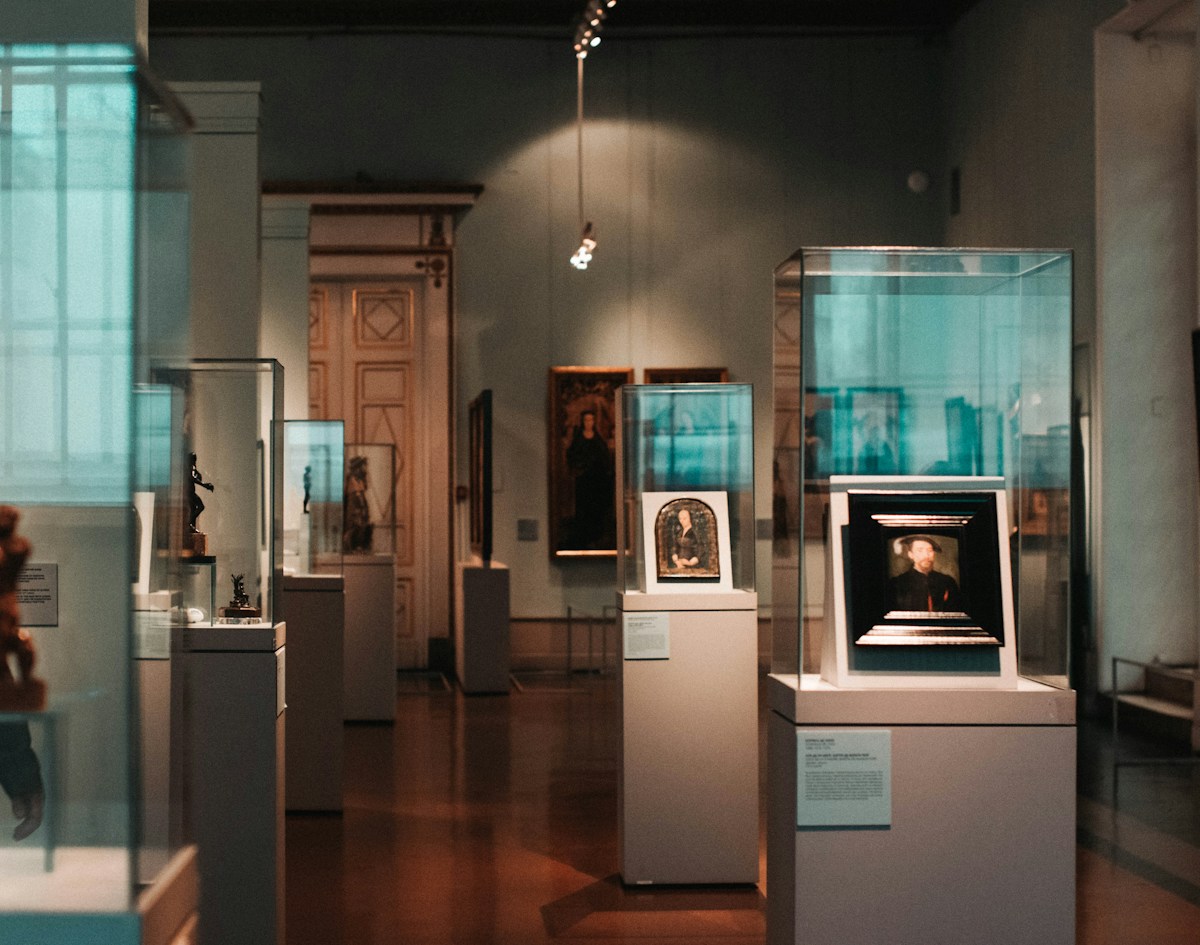
Kazakhstan's Ministry of Culture has removed artwork depicting Soviet-era repressions from the country's pavilion at the prestigious Venice Biennale, a decision activists say was made under pressure from Moscow and highlights the limits of the Central Asian nation's balancing act between major powers.
The controversial removal was reported by Kursiv.media, a leading Kazakh business publication, sparking immediate backlash from cultural figures and activists who view it as capitulation to Russian sensitivities about historical memory.
The artwork in question addressed the brutal repression Kazakhstan's population suffered during Stalin's collectivization campaign and subsequent purges, topics that remain sensitive in Russia as President Vladimir Putin increasingly rehabilitates the Soviet past. Kazakhstan lost an estimated 1.5 to 2 million people—roughly 40 percent of the ethnic Kazakh population—during the Asharshylyk (Goloshchekin genocide) of the early 1930s, yet discussion of Soviet crimes remains politically fraught given Kazakhstan's economic and security dependence on its northern neighbor.
"We are still walking under Russia's table. This is disgusting," one activist wrote on social media following the announcement, capturing widespread frustration among Kazakhstan's younger, more nationally-conscious generation.
The Venice Biennale, one of the world's most prominent contemporary art exhibitions, has historically served as a platform for post-Soviet nations to reckon with their communist legacies and assert independent cultural identities. The decision to censor historical memory in such a high-profile international venue suggests Kazakhstan's much-touted multi-vector foreign policy—maintaining balanced relations between Russia, China, and the West—has clear limits when it comes to narratives that challenge Russian historical sensitivities.
This incident comes as invasion of has heightened concerns across Central Asia about Moscow's willingness to use force to maintain its sphere of influence. While has carefully avoided directly criticizing the war, refusing to recognize Russian-occupied Ukrainian territories and maintaining trade ties with the West, cultural memory appears to be an area where still feels compelled to defer to Russian preferences.