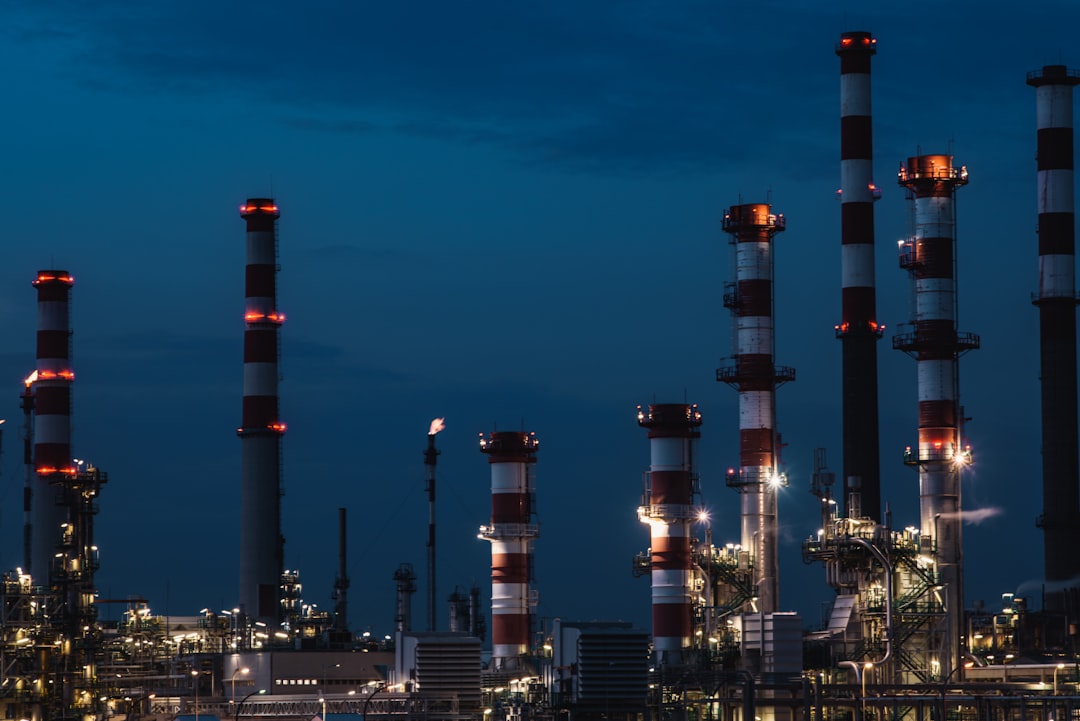
Nigeria's Dangote Group is considering Mombasa for a new oil refinery, in what would mark a significant expansion of Africa's largest private-sector refinery operation into East Africa.
The move represents something rare in African infrastructure: African capital building African infrastructure. While Chinese, Gulf, and Western investors dominate headlines about the continent's development projects, Aliko Dangote's company has built one of the world's largest refineries in Lagos with primarily African financing.
Now the billionaire industrialist is looking eastward. Mombasa, Kenya's coastal port city, offers several advantages that Nigeria doesn't: a strategic location serving East Africa, access to markets in Uganda, Rwanda, Burundi, and South Sudan, and a more stable regulatory environment for energy investments.
The Dangote refinery in Lagos, which began operations in 2023, has a capacity of 650,000 barrels per day, making it the largest single-train refinery in the world. The facility was designed to end Nigeria's dependence on imported refined petroleum products—a paradox that saw Africa's largest oil producer importing most of its gasoline.
A Mombasa refinery would serve a different purpose: capturing East Africa's growing energy demand before international companies do. Kenya, Tanzania, Uganda, and Ethiopia are all experiencing rapid economic growth, urbanization, and increasing energy consumption.
"Fast track these energy development deals if we want a catapult for serious growth," wrote a Kenyan commentator responding to news of Dangote's interest.
The broader story is about African agency in infrastructure development. For decades, the narrative has been about what China builds in Africa, what European companies extract, what American investors finance. The Dangote model shows African industrialists building continental infrastructure with African capital.
Whether Kenya will offer the regulatory incentives needed to attract the investment remains to be seen. The country's energy sector has faced challenges with project delays and policy uncertainty. But the potential economic impact of such a facility—jobs, energy security, regional trade—makes it attractive.
54 countries, 2,000 languages, 1.4 billion people. Some are building the infrastructure themselves.