Kazakhstan will host the 2029 Asian Winter Games after Saudi Arabia postponed its planned hosting, marking a contrast between Central Asia's pragmatic sports infrastructure and the Gulf kingdom's ambitious but unfulfilled vision.
The Olympic Council of Asia announced Monday that Almaty would serve as the replacement host city, with a formal contract signing scheduled for Thursday in Milan. The decision follows extensive consultations between the OCA and Saudi Arabia, which the organizations framed as reflecting "a shared strategic commitment to the long-term and sustainable development of winter sports in Saudi Arabia and across the West Asia region."
The language signals diplomatic courtesy masking a practical reality: Saudi Arabia lacks the infrastructure, climate, and winter sports tradition necessary to host major international competitions on snow and ice. The kingdom's postponement echoes broader questions about petrodollar-funded sports ambitions colliding with geographic and logistical constraints.
Almaty, by contrast, represents the reverse dynamic—a city with natural winter sports advantages and established infrastructure seeking to leverage these assets for geopolitical positioning and economic benefit. The Kazakh mountain city previously hosted the 2011 Asian Winter Games and bid unsuccessfully for the 2022 Winter Olympics, losing narrowly to Beijing.
In Central Asia, as across the Silk Road, geography determines destiny—and creates opportunities for balanced diplomacy. Kazakhstan's ability to step in as replacement host demonstrates the country's strategy of maintaining diverse international partnerships while avoiding overreliance on any single patron.
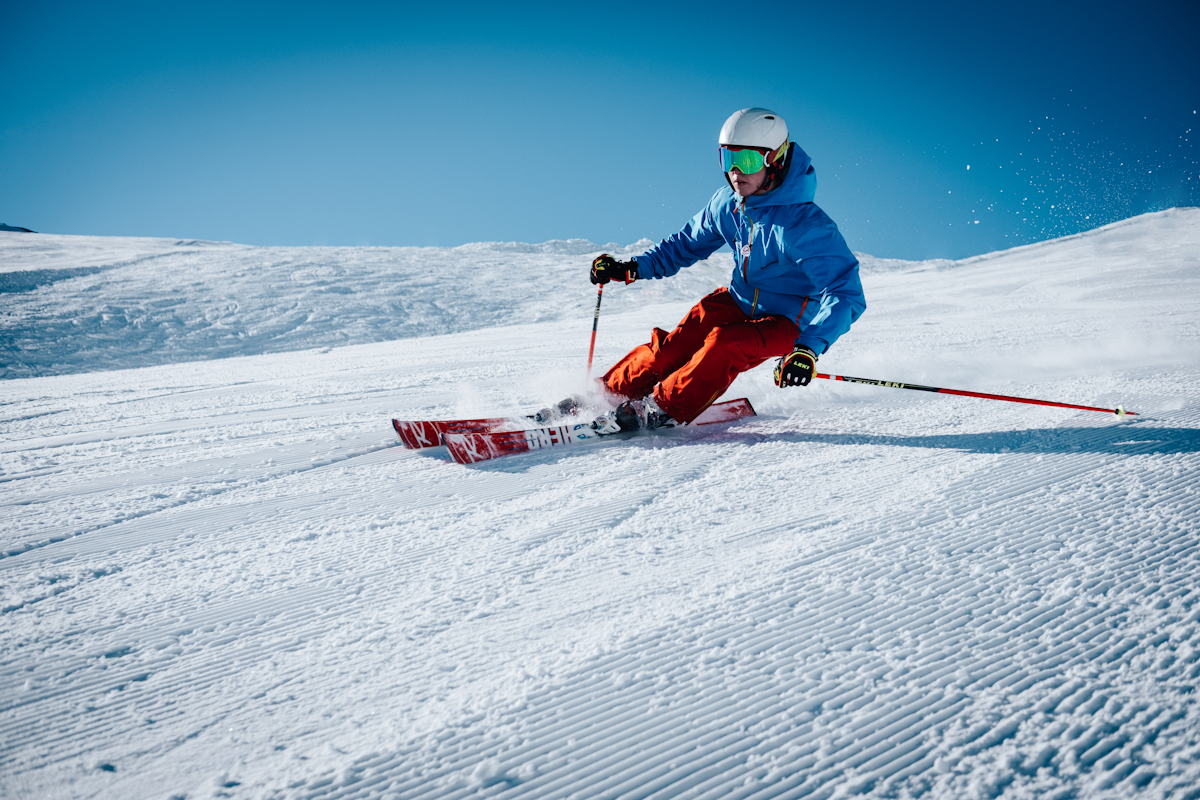
The Asian Winter Games represent a significant diplomatic prize for Almaty, bringing international visibility and reinforcing the city's position as Central Asia's premier winter sports destination. The Games also provide Kazakhstan with a platform to showcase infrastructure development and organizational capacity to a regional audience.
The contrast with Saudi Arabia's postponement carries implicit commentary on the limits of oil wealth in purchasing sporting legitimacy. While the kingdom has successfully acquired football clubs, golf tournaments, and Formula One races, winter sports require mountains, snow, and athletic traditions that cannot be constructed from scratch—at least not on the timeline Riyadh envisioned.
For Kazakhstan, hosting represents both opportunity and validation. The country's multi-vector foreign policy—balancing relations with Russia, China, and Western powers—extends to sports diplomacy, where international events reinforce sovereignty and independence from larger neighbors.
The Host City Contract signing in Milan will formalize arrangements that position Almaty as the centerpiece of Asian winter sports for 2029, a role the city has pursued through strategic infrastructure investment and consistent engagement with international sports organizations.
The episode demonstrates how resource wealth alone cannot substitute for geographic advantages and institutional development. Saudi Arabia's retreat from winter sports hosting—however diplomatically phrased—acknowledges limits even petrodollars cannot overcome, while Kazakhstan's readiness reflects decades of patient capacity-building in a region where winter is not an artificial creation but a natural reality.