A detailed public discussion has exposed the class divide in New Zealand's environmental transition: Climate policies that assume everyone can "just buy an EV" or "install solar" completely ignore the 35% of New Zealanders who rent and lack both capital and control over their housing.
"I keep seeing posts like 'if petrol is expensive, just switch to electric' or 'just install solar panels and charging becomes basically free,'" wrote one renter on social media. "But a lot of these discussions assume a very specific situation that a huge number of people in New Zealand simply don't have."
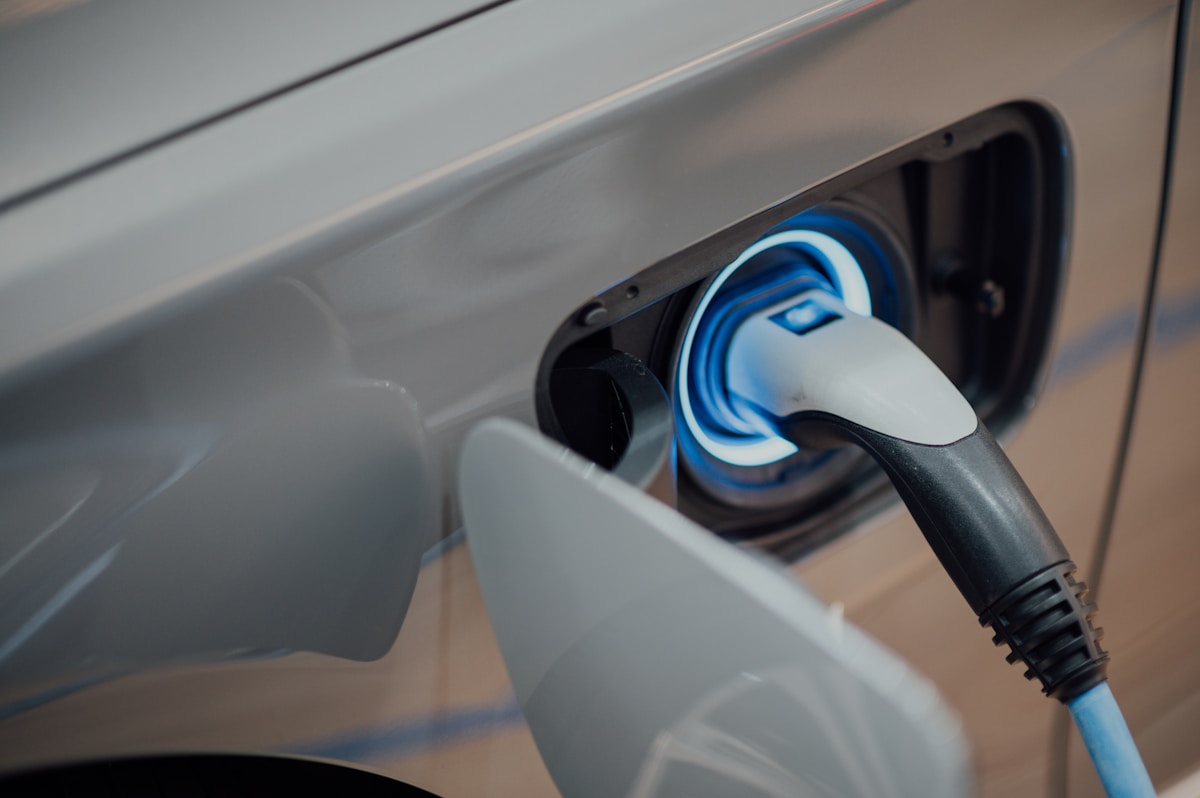
The post, which resonated widely across New Zealand, outlined the practical barriers facing renters: They can't install solar panels on properties they don't own. They can't install home EV chargers. They often have limited off-street parking. And most critically, they lack the $8,000-$15,000 upfront capital required to buy even a used electric vehicle.
Climate policy in New Zealand (and Australia) is designed for homeowners with capital, completely ignoring the huge renting population. Shows the class divide in environmental transition—EVs and solar are for those who can afford them, everyone else keeps suffering.
The economics are stark: A used petrol car can cost NZ$1,000-$3,000 for an older but functional vehicle. A used Nissan Leaf with decent battery health costs NZ$8,000-$10,000. For someone living paycheck to paycheck, that difference is insurmountable—even if the EV would save money on fuel over time.
"For a lot of people, the real choice isn't EV vs petrol," the writer explained. "It's a cheap old petrol car vs no car. And in a country with limited public transport outside major cities, no car means no job."
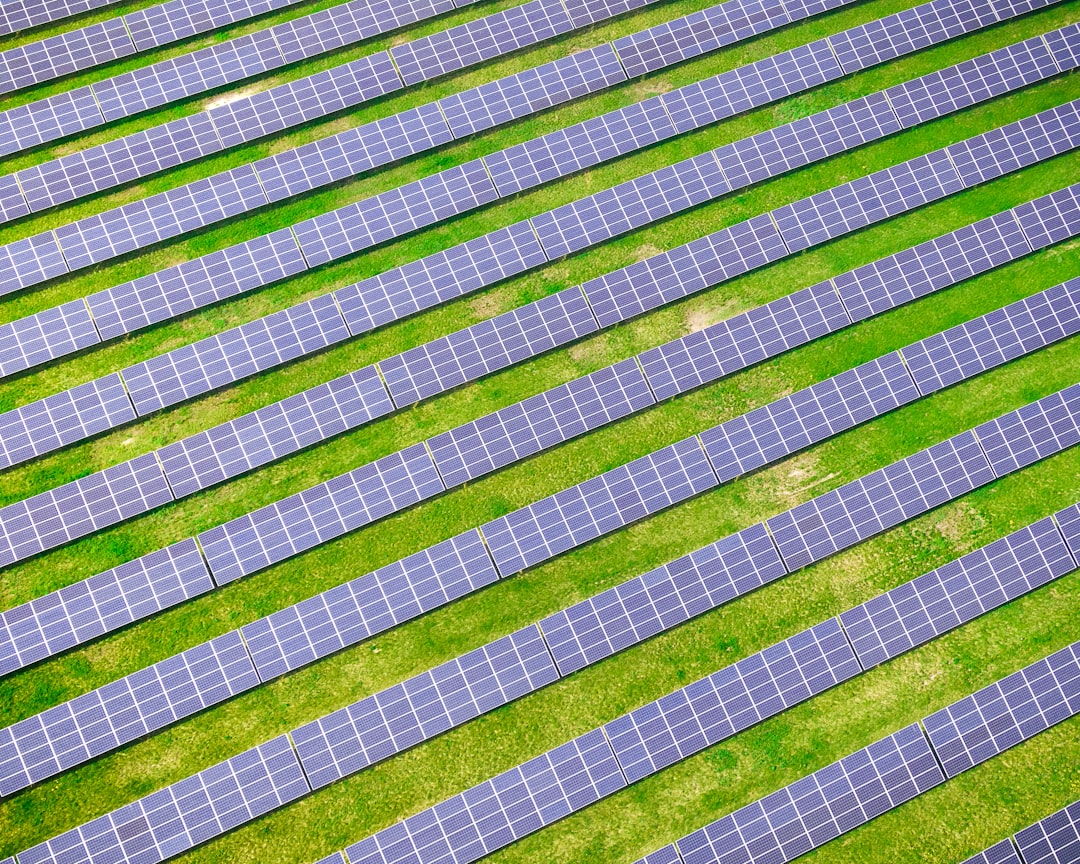
The solar panel issue is equally exclusionary. Renters can't make capital improvements to properties they don't own, even if they're willing to pay. And landlords have little incentive to install solar since tenants pay the electricity bills. The result: Renters pay higher electricity costs to charge EVs at public stations or from the grid, eliminating much of the cost advantage.