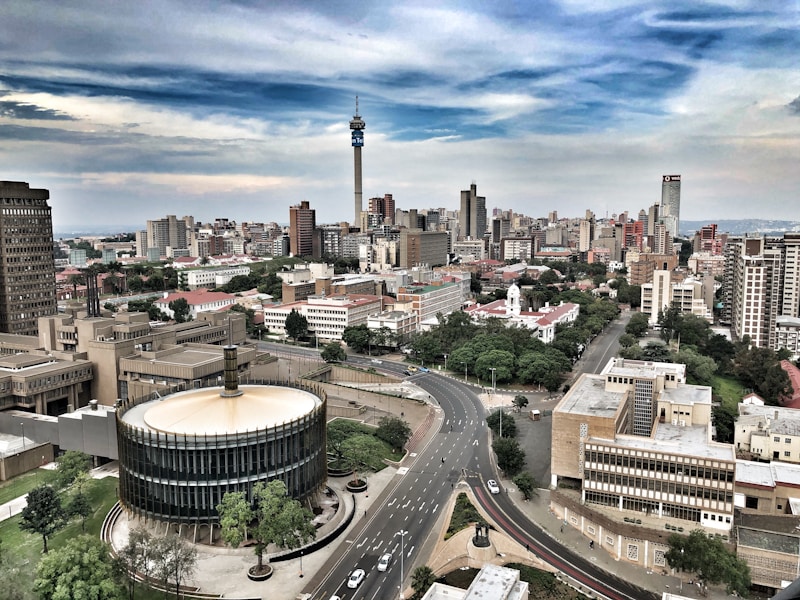
Johannesburg, South Africa's economic heartland, stands on the brink of a total electricity blackout as Eskom threatens to cut power to the city over mounting debts that have reached a staggering R21 billion.
The crisis, reported by News24, represents far more than a municipal revenue problem—it crystallizes three decades of governance challenges that have plagued South Africa's cities since the end of apartheid. Infrastructure decay, revenue collection failures, and service delivery collapse have converged in the nation's largest metropolitan area.
The R21 billion figure reflects accumulated electricity losses spanning years of non-payment, illegal connections, and revenue collection failures. Johannesburg's inability to collect what residents and businesses owe for electricity has created a cascading crisis: the city cannot pay Eskom, the national power utility, which in turn faces its own financial and operational challenges that have made "load shedding" a defining feature of South African life.
Beyond the numbers lies a governance crisis. The electricity debt is symptomatic of broader municipal dysfunction. Johannesburg, once a symbol of post-apartheid economic promise, now exemplifies the challenges facing major urban centers: aging infrastructure inherited from the apartheid era, rapid urbanization, informal settlements with widespread illegal connections, and municipalities struggling to balance service delivery with revenue collection.
Eskom's threat to disconnect Johannesburg would be unprecedented in scale and impact. The city is the economic engine of not just Gauteng province but the entire nation, hosting South Africa's financial sector, major corporations, and industrial operations. A total blackout would devastate businesses already struggling with chronic load shedding and threaten jobs in a country with unemployment exceeding 30 percent.
The crisis also reflects the complex legacy of apartheid spatial planning. while simultaneously being least able to afford electricity tariffs. Illegal connections, while unlawful, often represent desperate attempts by poor households to access basic services—creating a moral and practical dilemma for authorities.