
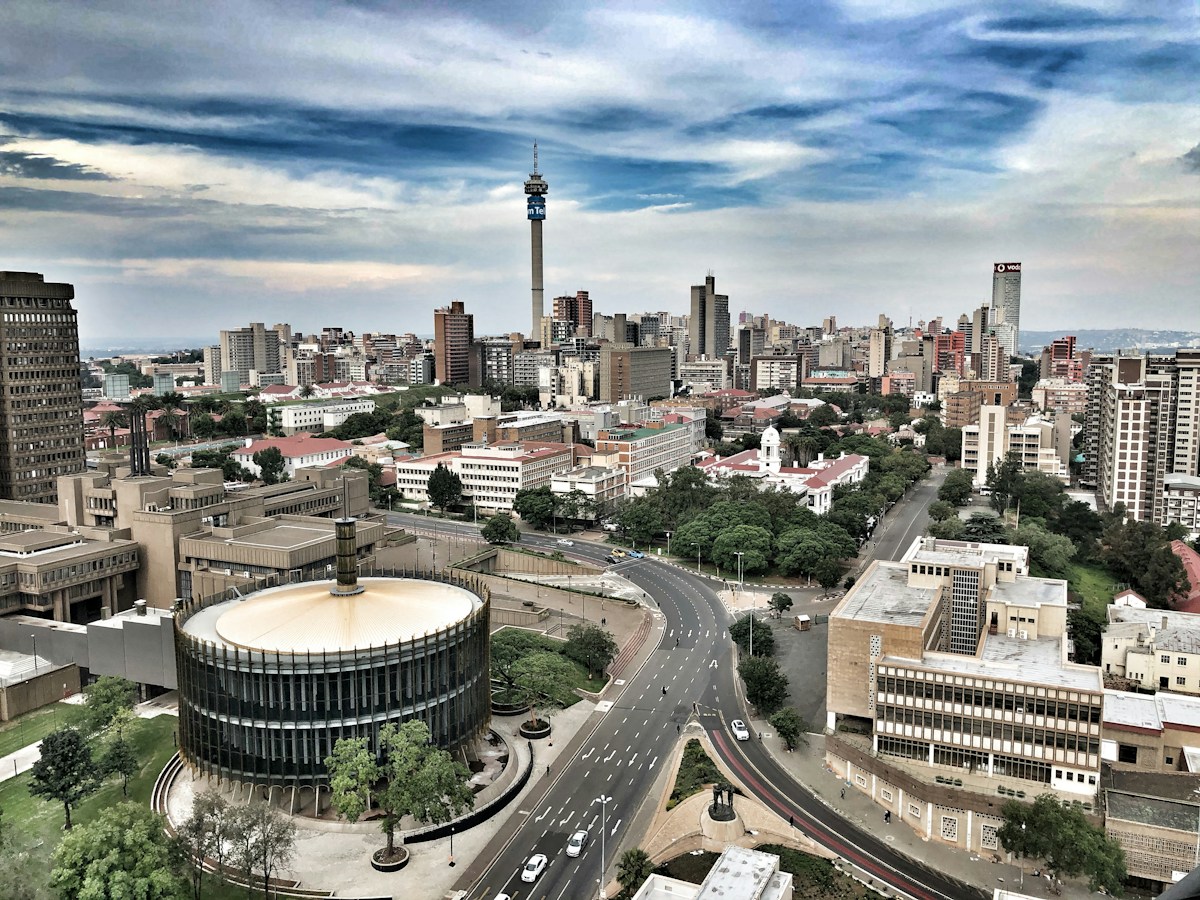
Johannesburg's outgoing mayor delivered his final State of the City address with optimistic rhetoric about urban progress—even as Eskom threatened to cut electricity over an outstanding debt of R5.2 billion that threatens to paralyze South Africa's economic engine.
Dada Morero, who stepped down as mayor following municipal elections, spoke at the Cathedral of St Mary the Virgin on May 20, just one day after the power utility issued a critical notice warning of supply interruptions if the city and its power provider, City Power, failed to address the massive arrears.
"We are concerned about Eskom's latest notice, and we are taking it seriously," Morero told attendees, outlining a turnaround strategy involving national government guidance and a €200-million German development loan. Yet the acknowledgment, reported by Daily Maverick, came amid mounting evidence that his administration's fiscal claims masked operational collapse.
The debt crisis represents more than municipal mismanagement—it exposes fundamental questions about state capacity in post-apartheid South Africa. Johannesburg generates nearly 16% of national GDP and houses the continent's largest concentration of corporate headquarters. When its infrastructure fails, the ripple effects extend across the entire economy.
Service delivery failures contradict mayoral optimism
While Morero's address celebrated infrastructure improvements, residents experienced a different reality. Water crises in February 2026 interrupted supplies across large areas of the city, triggering public protests. The following month, waste management collapsed, leaving refuse piling up in residential neighborhoods.
City officials have acknowledged an infrastructure backlog of R220 billion—a figure that dwarfs the immediate Eskom debt but receives less political attention.