
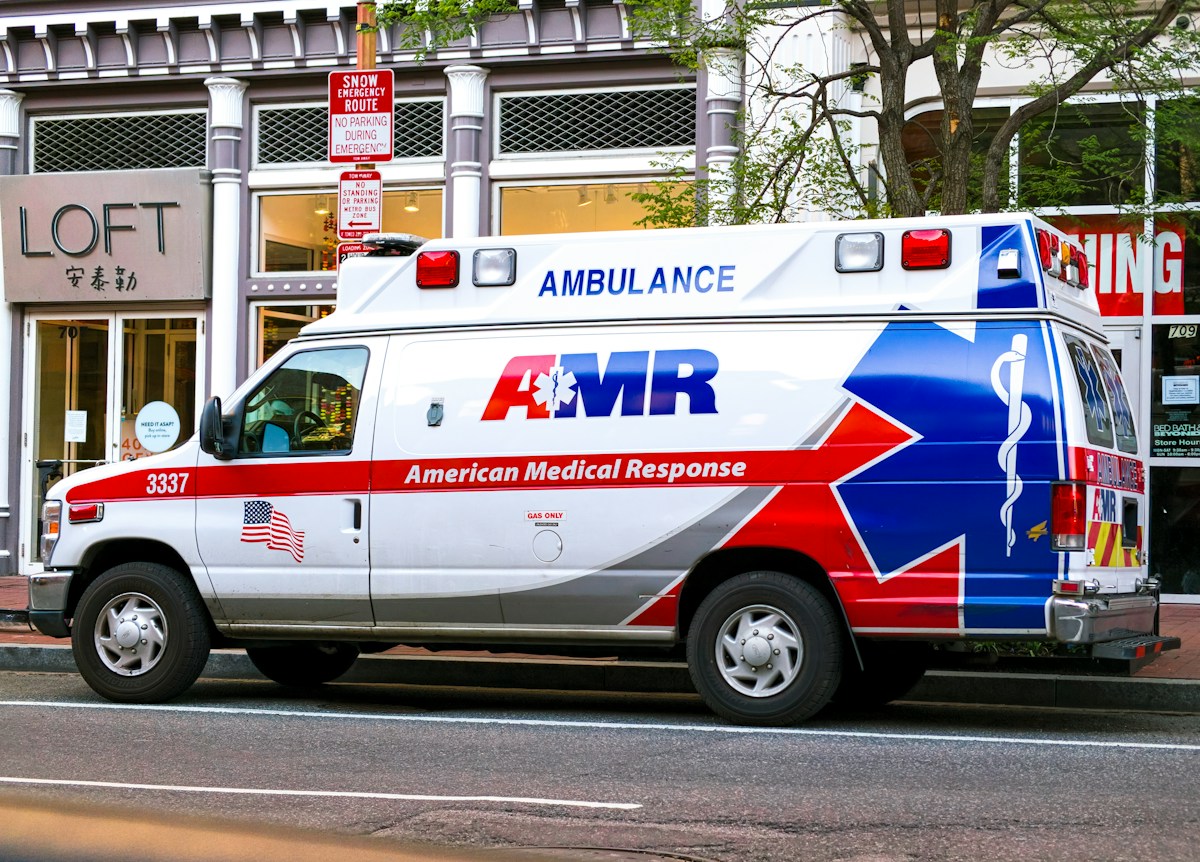
New Zealand's St John ambulance service will receive a significant funding increase from the government, addressing long-standing concerns about underfunding of emergency medical services that have forced the charity to rely heavily on donations.
Stuff reports the announcement as part of Budget 2026, though the government notes that St John will still need to rely on donations to keep running—a reminder that this is a band-aid, not a cure.
A rare piece of good news from Wellington—St John has been running on fumes and charity donations for years. Paramedics have been sounding the alarm about chronic understaffing, aging equipment, and insufficient pay. But is this funding boost enough to address the structural problems?
St John operates as a charity in New Zealand, unlike many countries where ambulance services are fully government-funded. That means fundraising and donations have been essential to keeping ambulances on the road—an absurd situation for an essential emergency service.
The funding increase comes after years of advocacy from paramedics and the organization itself. Response times have been stretched, particularly in rural areas, and paramedics have been leaving for better-paying jobs in Australia or other sectors.
The question now is whether this funding will be sustained long-term. One-off budget boosts look good politically, but emergency services need consistent, reliable funding to plan workforce expansion and equipment replacement.
For New Zealand's ambulance service, this represents overdue recognition that you can't run emergency medical services on charity alone. But the devil's in the detail—how much funding, allocated how, and whether it's enough to stop the exodus of paramedics to Australia where they're paid properly.
Christopher Luxon's government deserves credit for addressing this. Now they need to make sure it's not just a political announcement but actual sustained support.