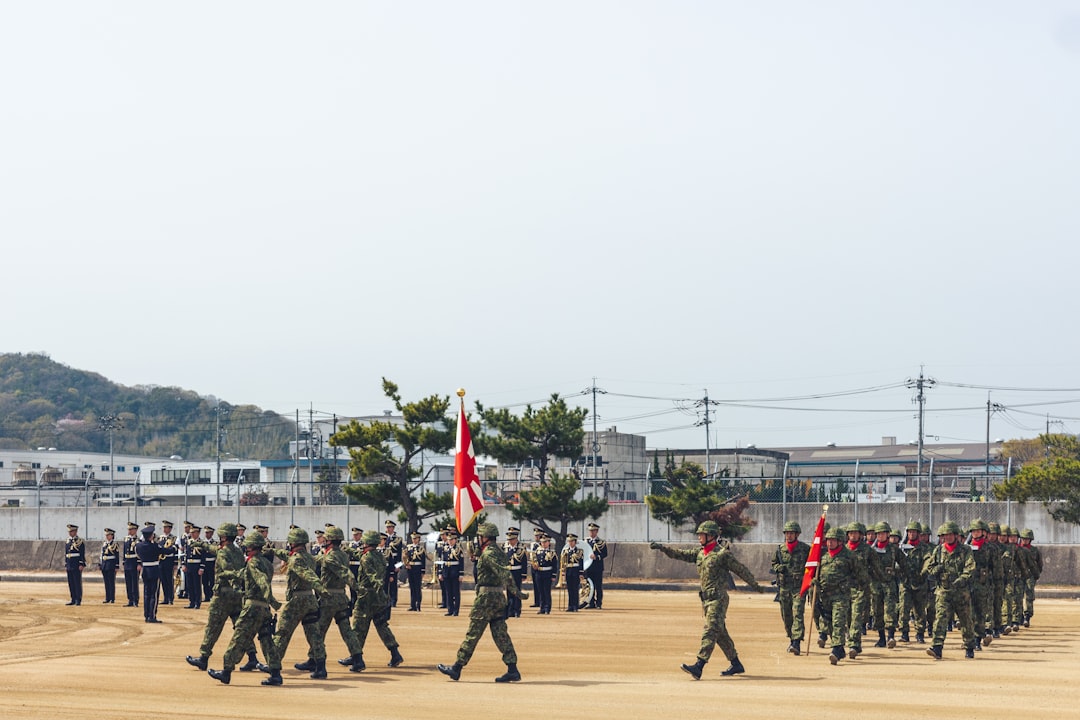
Japan confronts a strategic bind over whether to deploy Self-Defense Forces to the Strait of Hormuz, caught between energy security imperatives and constitutional constraints, according to The Asahi Shimbun.
The government is debating a possible SDF mission to protect vital shipping lanes through which nearly 90 percent of Japan's crude oil imports pass. However, any deployment would require navigating Article 9 of Japan's pacifist constitution, which restricts military operations to self-defense.
The dilemma illustrates the tension between Japan's practical security needs and its postwar legal framework. While Tokyo maintains a robust alliance with Washington, constitutional limitations prevent the kind of overseas military operations common among other U.S. allies.
Previous SDF missions to the region have been carefully structured to avoid combat roles, focusing instead on intelligence gathering and logistical support. A 2020 information-gathering mission to Middle Eastern waters operated under similar constraints, with destroyers deployed for surveillance rather than direct protection of commercial vessels.
The current deliberations come as regional tensions have intensified, raising questions about whether surveillance-only missions remain adequate. Energy security represents an existential concern for resource-poor Japan, but expanding SDF authority remains politically sensitive both domestically and across the region.
Japanese officials have yet to announce a decision on deployment, with government sources indicating continued internal debate. Any mission would likely require Diet approval and would be designed to stay within constitutional bounds, though the precise parameters remain under discussion.
The question facing Tokyo is not whether the Strait of Hormuz matters to Japanese interests—it clearly does—but whether Japan can reconcile those interests with the legal and political constraints that have defined its security posture for eight decades.
Watch what they do, not what they say. In East Asian diplomacy, the subtext is the text.