
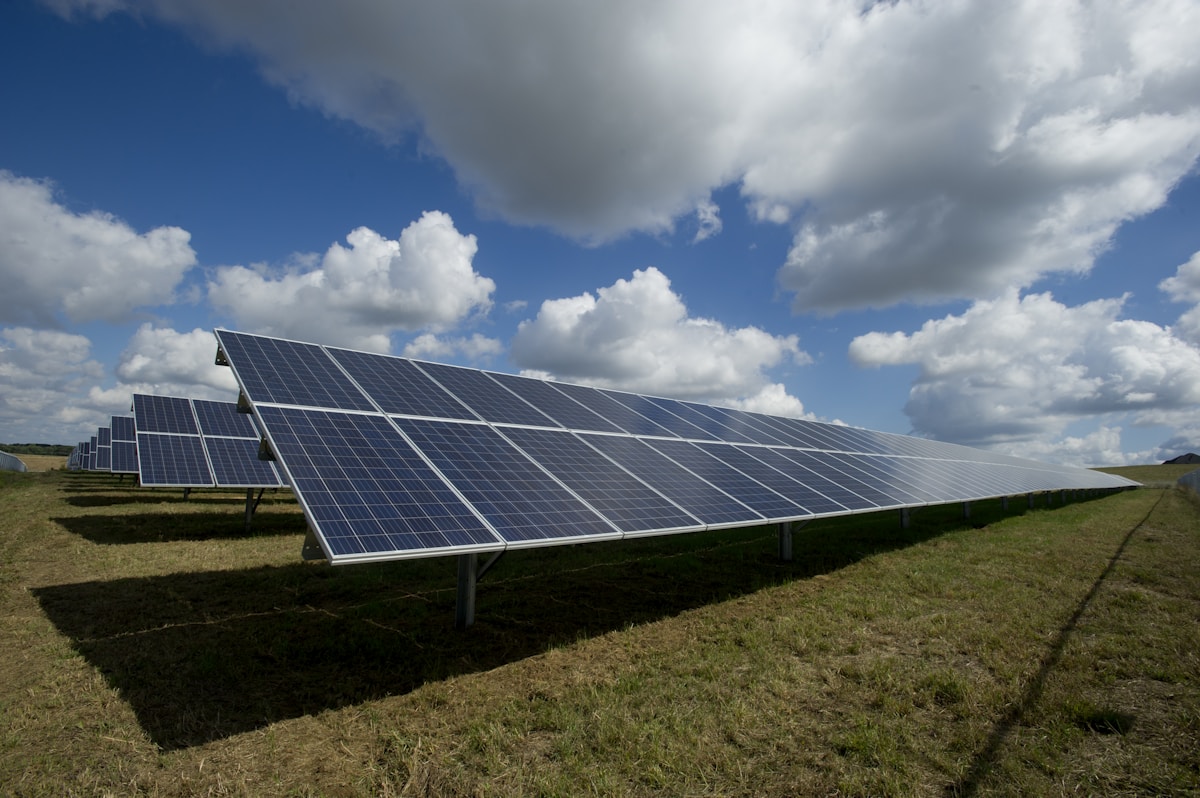
Renewable energy projects paired with battery storage systems are set to grow more than 450% across Europe by 2030, according to industry analysis, marking a critical breakthrough in solving the intermittency challenge that has constrained solar and wind expansion.
The surge reflects converging forces: plummeting battery costs, supportive policy frameworks, and grid operators recognizing that storage is infrastructure—not optional equipment—for renewable-powered grids. Current European battery capacity stands at approximately 15 gigawatt-hours (GWh); projections suggest that figure will exceed 80 GWh within four years.
"Battery storage transforms renewable energy from intermittent to dispatchable," explains Dr. Elena Barbour, energy systems researcher at Imperial College London. "Solar generates midday; storage delivers power at evening peak demand. Wind surges overnight; batteries supply morning grid loads. Storage makes renewables reliable."
The growth concentrates in Germany, Spain, Italy, and Poland, where renewable capacity expansions outpace grid upgrade timelines. Without storage, excess solar and wind generation gets curtailed—literally shut off because grids can't absorb it—wasting clean energy. Batteries capture surplus power and release it when demand exceeds renewable generation, maximizing clean energy utilization.
Technology advances drive economics. Lithium-ion battery costs have fallen 89% since 2010, according to BloombergNEF data, reaching price points where storage paired with renewables competes directly with fossil fuel peaker plants. Grid-scale battery installations now cost approximately €300 per kilowatt-hour, down from €1,100 a decade ago.
Policy support accelerates deployment. The European Union's Green Deal mandates renewable energy integration, and member states are structuring subsidies to favor renewable-plus-storage projects over standalone generation. recently approved regulations allowing batteries to access multiple revenue streams—grid stabilization, peak demand supply, renewable firming—making projects financially attractive.