
Every morning before dawn, thousands stream toward Tebet Station in Jakarta, joining the crush of humanity squeezing into crowded KRL commuter trains. Their faces, tense and exhausted, tell a story that official statistics cannot capture: in Indonesia's capital, even a salary of Rp8 million per month—above the regional minimum wage—often means living on the edge of financial survival.
A detailed analysis by Mojok.co reveals the paradox facing millions of young professionals who migrate to Jakarta seeking opportunity, only to find themselves trapped between two equally unattractive options: slow financial suffocation in the capital or unemployment in their home regions.
The mathematics are unforgiving. Statistics Indonesia (BPS) data from 2022 shows average household expenditure in DKI Jakarta exceeding Rp14 million per month—among the highest in Indonesia. For single workers who shoulder costs alone rather than splitting them across a household, the burden becomes crushing.
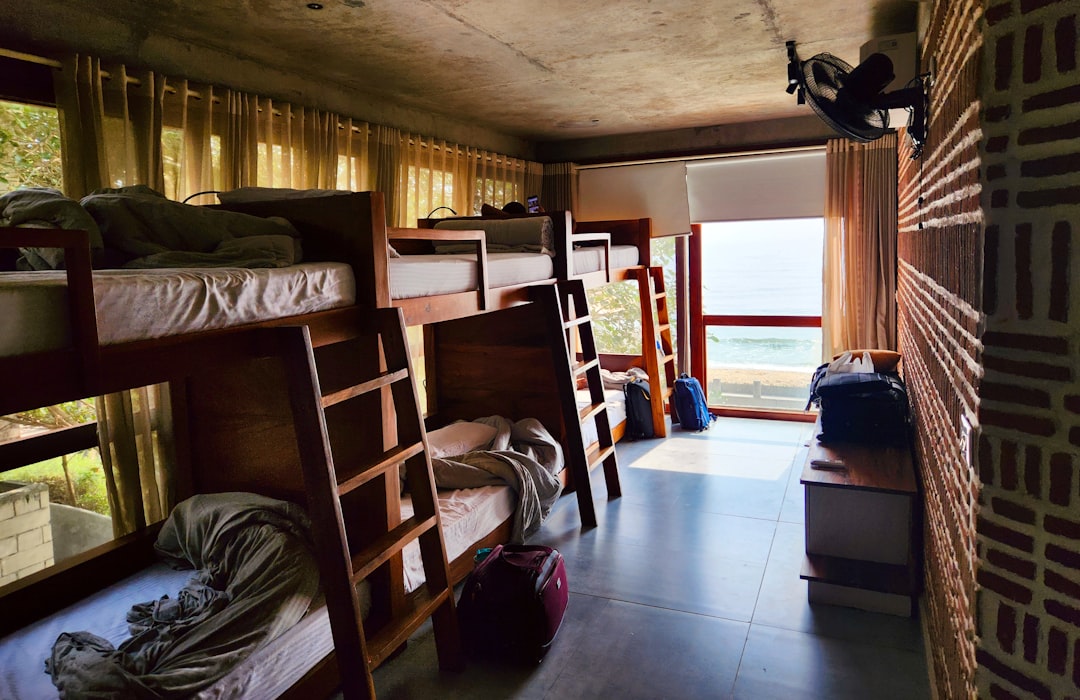
Consider the baseline expenses for a young professional living alone in Jakarta. A basic boarding house with reasonable access to public transport costs Rp2 million to Rp2.5 million monthly. Cheaper options exist, but they're typically located in Bekasi, Depok, South Tangerang, or Bogor—requiring additional transportation costs, physical energy, and precious time.
Food expenses run Rp25,000 to Rp30,000 per meal at modest establishments. Three meals daily total Rp75,000 to Rp90,000, or Rp1.8 million to Rp2.5 million monthly. While cooking at home or eating at cheaper stalls can reduce costs somewhat, significant savings prove difficult to achieve. Transportation, despite relatively affordable KRL trains and buses, still requires motorcycle taxis to reach stations and final destinations—adding Rp500,000 to Rp1 million monthly. Communication needs, laundry services, drinking water, toiletries, and other daily essentials add another Rp450,000 to Rp600,000.