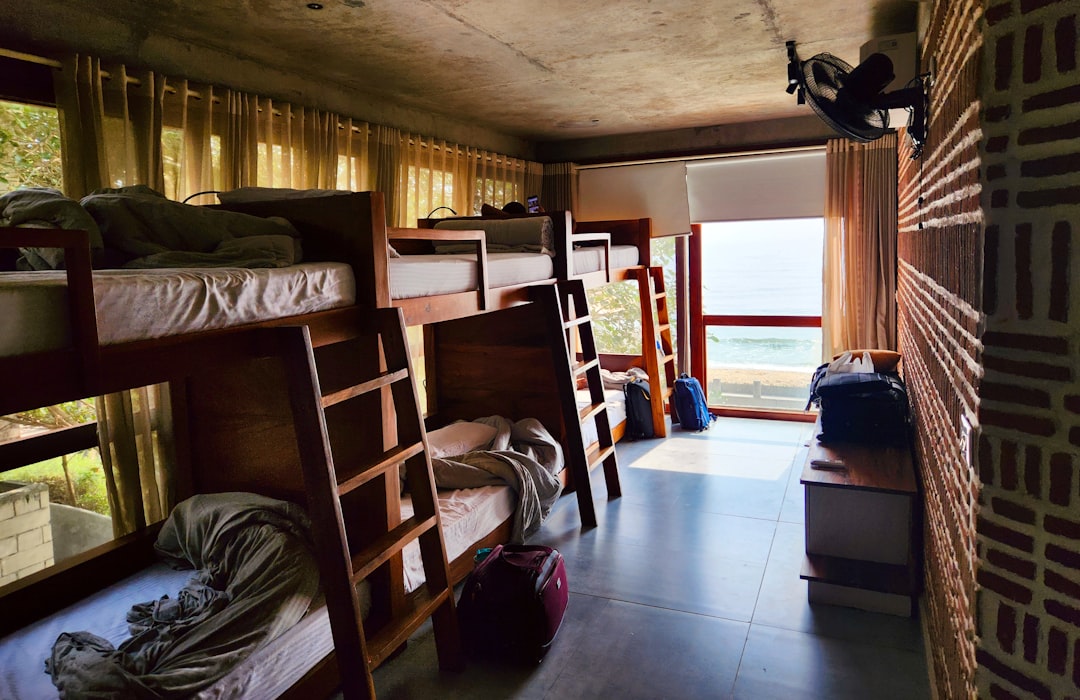
Something has shifted in backpacker culture since COVID-19, and travelers are noticing. Hostels that were once reliably packed with young travelers seeking connections and adventures now feel noticeably quieter, according to discussions among experienced backpackers.
One traveler who spent 12 months backpacking through South America before the pandemic—starting in Chile and working up to Colombia—recently returned to the backpacker trail across Mexico, Central America, Vietnam, and Bali. Their observation: hostels feel less crowded than they used to.
"Every hostel was always busy pretty much whether it was a party hostel or a chill hostel or an eco lodge style of hostel," they recalled of pre-pandemic travel. But from 2024-2026, the vibe has been different.
Where Did Everyone Go?
The question generating discussion: has the way we travel fundamentally changed, or is this a temporary shift?
Several theories emerged from the backpacking community:
The Rise of Airbnb and Private Accommodations
Airbnb and similar platforms have become significantly more affordable and accessible in many destinations since 2020. For travelers who might have previously defaulted to hostels purely for budget reasons, private rooms or entire apartments now offer comparable prices with more privacy and comfort.
This is particularly true for digital nomads and remote workers who need quiet workspace and reliable internet—requirements that hostels don't always meet.
Changing Demographics
The pandemic may have shifted who's traveling. Gap year students faced travel restrictions during crucial years (2020-2022). Some pursued other opportunities instead. The traditional pipeline of 18-25-year-olds taking extended backpacking trips may have been disrupted.
Meanwhile, older travelers and remote workers increasingly make up the travel community, and they're more likely to book private accommodations.