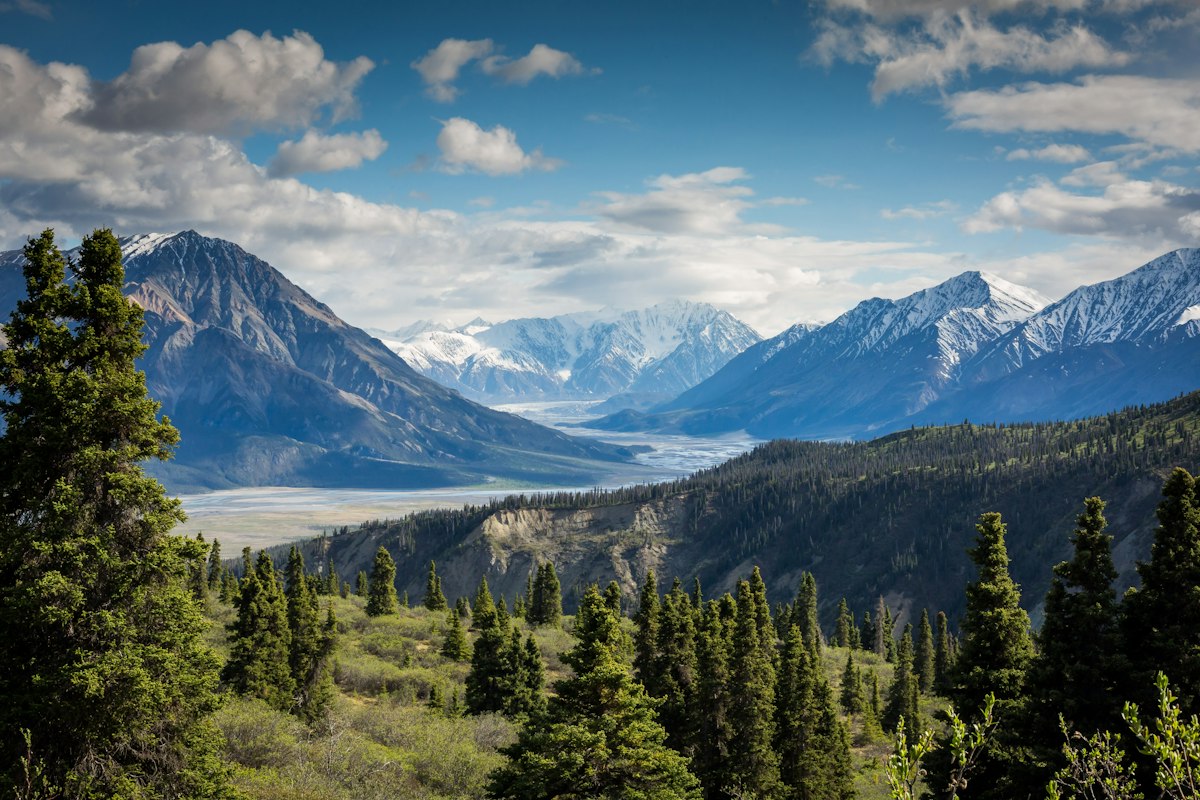
The Camino de Santiago now attracts over 400,000 walkers a year. Popular stages of the Portuguese route have hostels booked solid months in advance. The social media trail - hikers in matching gear, sunrise-over-meseta posts - has become its own genre. Meanwhile, Italy has been quietly sitting on a network of long-distance hiking routes that remain, for most international travelers, genuinely undiscovered.A well-received r/travel post profiling a series of Italian and Spanish trails has brought renewed attention to some of the continent's most rewarding multi-day routes - each offering world-class scenery without the infrastructure congestion that now defines the Camino's most popular stages.The standout recommendation is the Via degli Dei - the Way of the Gods - a 130-kilometre route from Bologna to Florence crossing the Tuscan-Emilian Apennines. The poster completed it in six days (five is feasible for stronger walkers), noting that the mountain ridge views crossing the watershed between two of Italy's most celebrated cities are extraordinary. Trail infrastructure is minimal, which is exactly the point: this is a route for walkers, not a hospitality corridor.The Via Francigena, the 3,000-kilometre medieval pilgrim route from Canterbury to Rome, offers almost unlimited options for staging - the poster has walked sections in the Aosta Valley, Piedmont, Lombardy, Liguria, and is planning Tuscan stages from San Miniato to Siena. Unlike the Camino, the Via Francigena has almost no single-week bottleneck; any section stands alone as a multi-day hike.In the underrated Abruzzo region - still genuinely off the international tourist radar - the Cammino del Cuore (Path of the Heart) winds past the heart-shaped lake of Scanno and the medieval fortress of . Accommodation in small mountain villages is cheap, abundant, and almost entirely Italian-speaking - a feature, not a bug, for travelers looking for actual local immersion.The Galician coast of offers the (Ruta do Faro), a 200-kilometre coastal route linking Malpica and Finisterre - the endpoint of the Camino Frances - without any of the Camino's crowds. The stage from Arou to Camariñas, featuring the iconic Vilán lighthouse, was described as best season is April-June and September-October; July and August bring Italian summer heat that makes ridge walking genuinely punishing. The Via degli Dei requires no booking in advance for most of the year. Abruzzo trails remain uncrowded year-round. All four routes offer a genuinely different hiking experience from the now-saturated Camino circuit - and all four are waiting for the travelers who have finally done their research.
|