Israeli military operations in southern Lebanon have destroyed or contaminated vast stretches of farmland on a scale that exceeds agricultural damage in Ukraine, according to Lebanese government assessments, raising alarms about long-term food security and environmental degradation.
Lebanon's Ministry of Agriculture estimates that 22.5 percent of the country's farmland—approximately 54,000 of 250,000 hectares—has been damaged by the conflict. That proportion far surpasses the less than 10 percent of agricultural land affected in Ukraine during its war with Russia, providing a stark benchmark for the devastation.
"The destruction of land in southern Lebanon had reached unprecedented levels," Agriculture Minister Nizar Hani told Arab News. "This is an unprecedented scale with direct consequences for farmers, livelihoods and the broader economy."
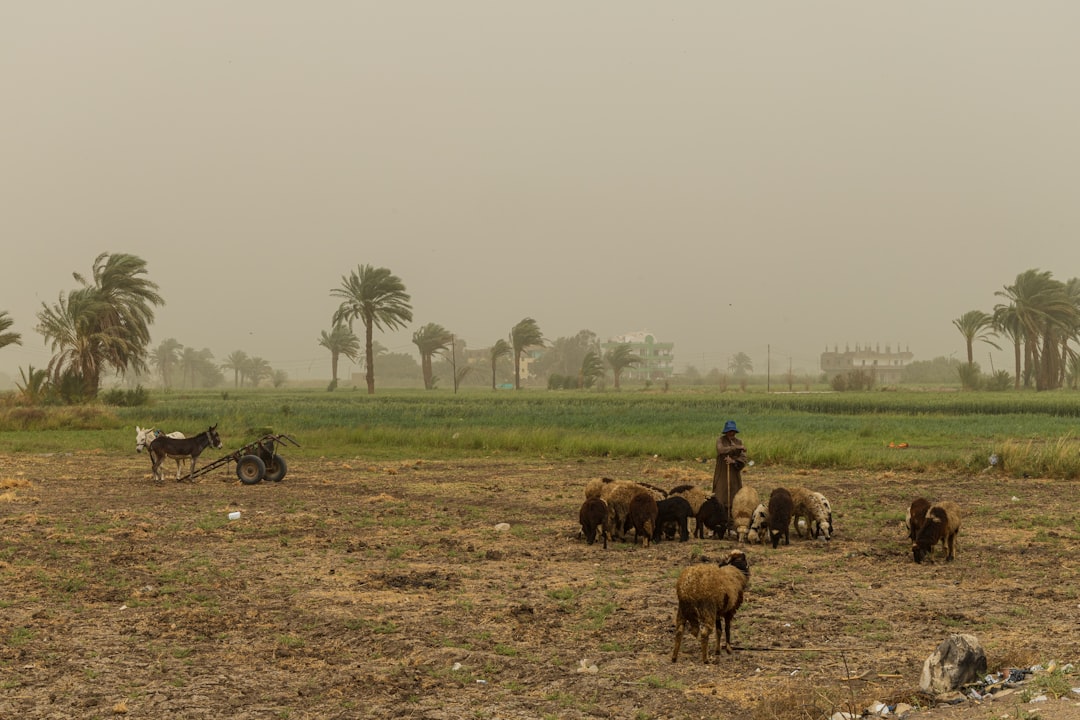
More than 10,000 farms have been damaged, and 78 percent of farmers in southern Lebanon have ceased operations due to displacement. The southern region—known for its fertile soil, abundant groundwater, and higher rainfall—was the country's agricultural backbone, producing tobacco, olives, citrus fruits, vegetables, and grains that supported both food self-sufficiency and year-round employment.
In this region, today's headline is yesterday's history repeating.
The immediate destruction is compounded by chemical contamination. Lebanese officials report that Israel has used white phosphorus munitions and sprayed concentrated glyphosate herbicide along a 17-kilometer border strip, degrading soil and vegetation in ways that may render some land unviable for agriculture for years.
"They deliberately sprayed this substance at concentrations exceeding those typically used worldwide," Hani said, referring to glyphosate. He compared the approach to tactics used in Gaza, where satellite imagery shows treated areas forming a buffer zone—what Israel calls the —within the enclave.