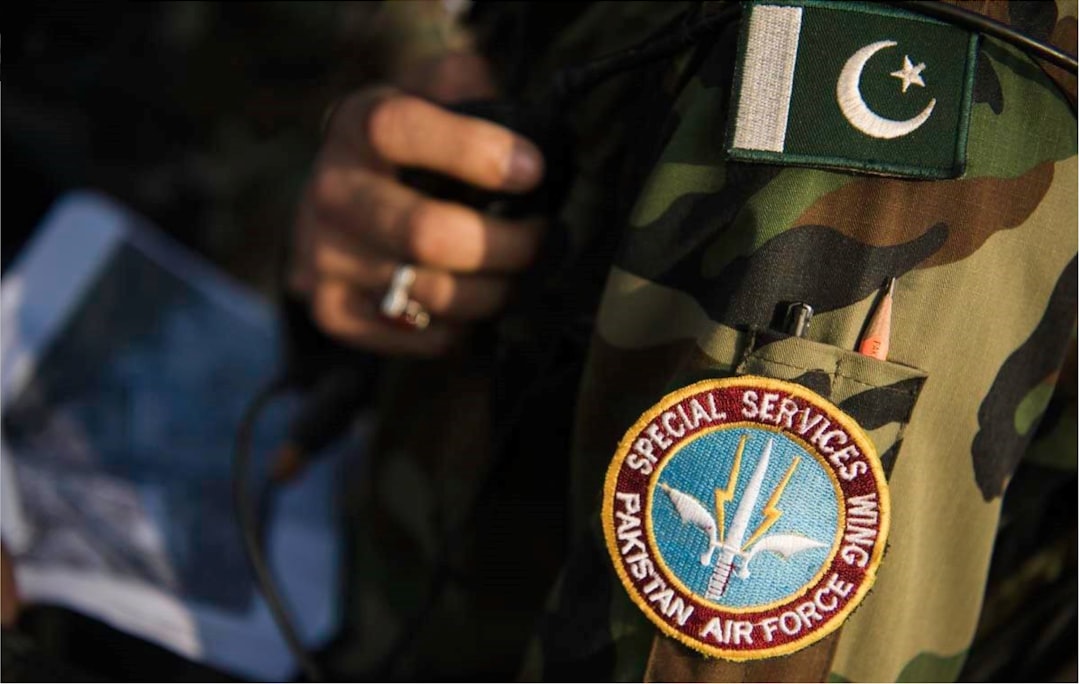
Israeli forces struck a United Nations peacekeeping position in southern Lebanon on Thursday, hitting Ghanaian troops deployed as part of the UN Interim Force in Lebanon (UNIFIL) in the border town of Al-Qawzah.
The attack represents a dangerous escalation beyond the Israel-Hezbollah conflict, directly targeting international peacekeepers operating under a UN mandate established after the 2006 war. Video from the strike site showed damage to the UNIFIL position where Ghanaian peacekeepers have been stationed as part of the 10,000-strong multinational force.
France has intensified mediation efforts in response to the attack, according to Lebanese officials. The French government, which contributes troops to UNIFIL, is now pursuing a ceasefire initiative that would address both the immediate violence and the underlying tensions that have drawn UN forces into the crossfire.
The strike follows a pattern that recalls 2006, when Israeli forces killed four unarmed UN observers at a post in Khiam during that summer's war. Then, as now, the incident drew international condemnation and raised questions about the safety of peacekeepers operating in Lebanon's volatile south.
UNIFIL was established under Security Council Resolution 1701, which ended the 2006 war between Israel and Hezbollah. The force's mandate includes monitoring the cessation of hostilities and supporting the Lebanese Armed Forces in southern Lebanon. The 10,000 peacekeepers come from 50 countries, with significant contingents from European and Asian nations.
The attack complicates France's diplomatic initiative, which aims to broker a comprehensive agreement between the Lebanese government and Israel. French diplomats have been meeting separately with Lebanese officials and Israeli counterparts, seeking terms that would prevent further escalation while addressing Israel's stated security concerns about Hezbollah's presence near the border.
Lebanese officials have called for transparency in any agreement, citing past instances where conflicting interpretations of ceasefire terms led to renewed violence. The government wants explicit guarantees about UNIFIL's continued presence and protection.
This didn't start yesterday. The current crisis builds on nearly two decades of fragile arrangements following the 2006 war, arrangements that have periodically collapsed as regional tensions have shifted. The difference now is that peacekeepers themselves have become targets, transforming what was a bilateral conflict into an international crisis.