At least three commercial vessels came under attack near the Strait of Hormuz on Tuesday, escalating fears that Iran could strangle global oil supplies and send crude prices into territory not seen since the 2008 financial crisis.
Iranian officials threatened to force oil to $200 per barrel, a price point that would represent a roughly 150% increase from current levels and trigger severe economic consequences across major economies already grappling with persistent inflation.
The attacks targeted shipping lanes through the narrow waterway that handles approximately 21% of global petroleum liquids, according to the U.S. Energy Information Administration. The strategic chokepoint, just 21 miles wide at its narrowest point, has long been viewed as the Achilles heel of global energy security.
The $200 Question
If Iran makes good on its threat, the economic fallout would be swift and severe. During the 2008 oil shock, crude briefly touched $147 per barrel before the financial system collapsed. At $200, economists estimate gasoline prices in the United States could exceed $7 per gallon, pushing the economy into recession.
The timing couldn't be worse. The U.S. is already spending an estimated $1 billion per day on military operations related to the Iran conflict, straining a federal budget already drowning in debt. Higher oil prices would act as a massive tax on consumers and businesses, crimping spending power just as growth shows signs of slowing.
Energy analysts note that sustained prices above $150 per barrel historically correlate with demand destruction and recession within 6-12 months. The 2008 recession, triggered in part by oil's spike to $147, resulted in a 4.3% GDP contraction and the loss of 8.7 million jobs.
Supply Chain Paralysis
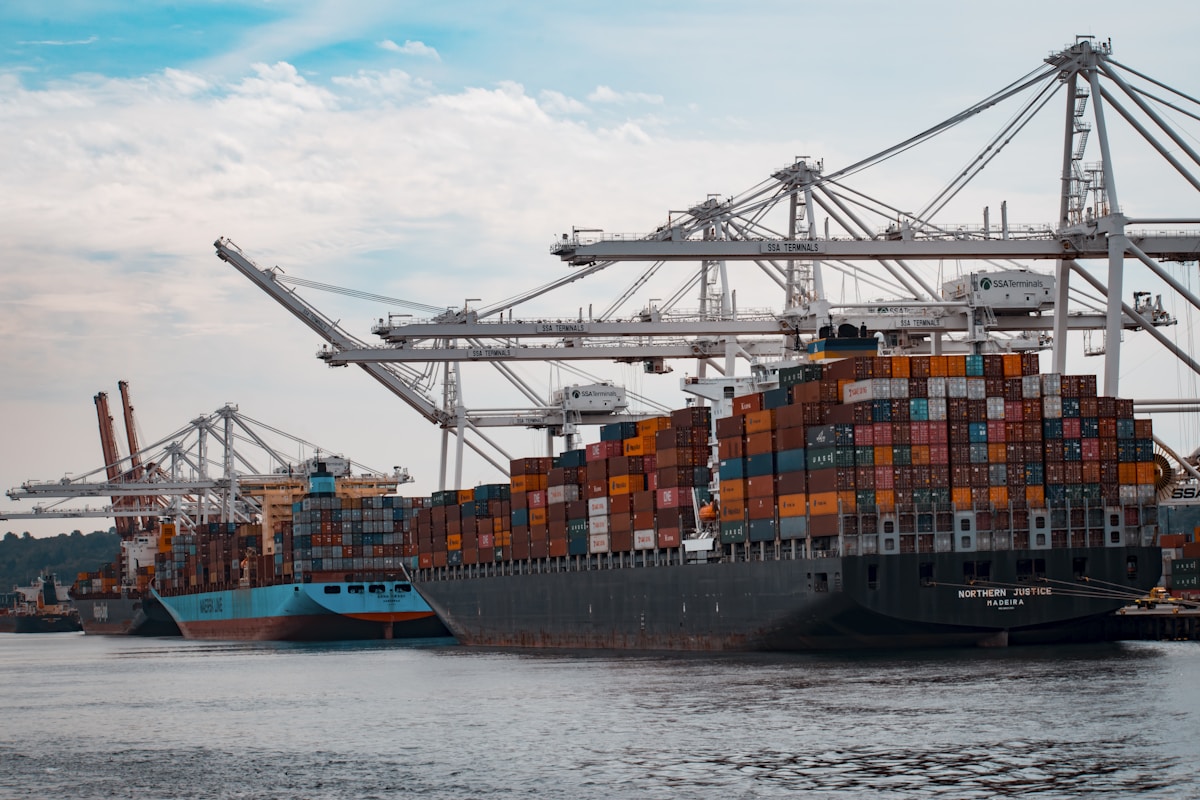
Beyond the headline price, the attacks raise the specter of supply chain paralysis. Major shipping companies have already begun rerouting vessels around Africa rather than risk passage through the Strait of Hormuz, adding 10-14 days to transit times and driving up freight costs.