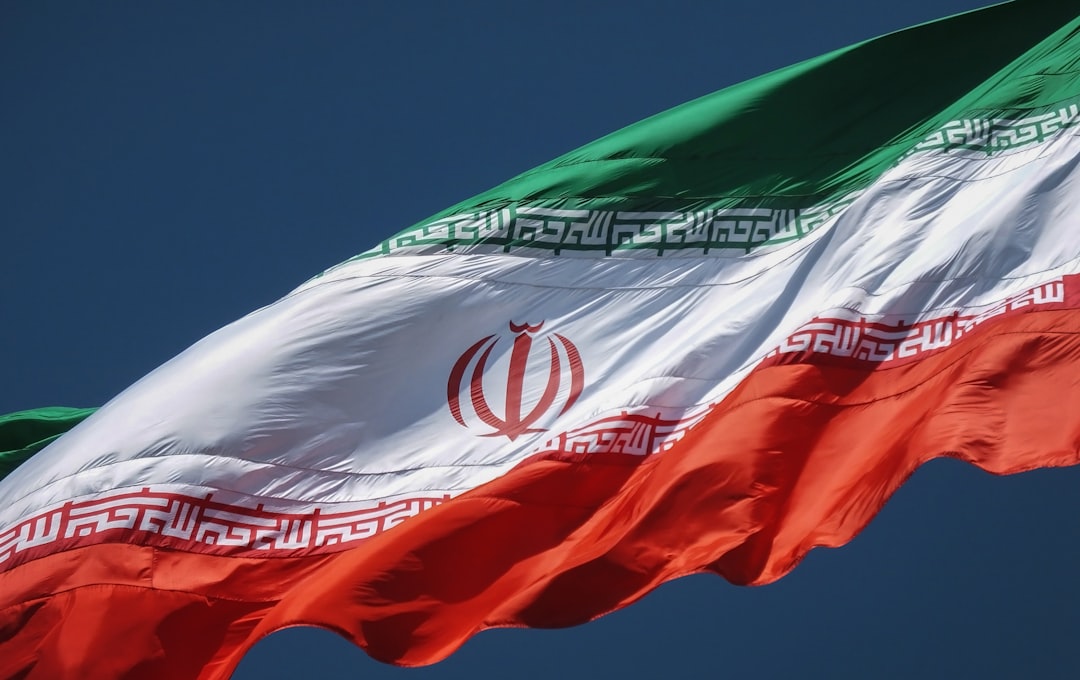
Tehran extended a diplomatic hand to Washington on Saturday even as its principal regional proxy continues to bleed in Lebanon, underscoring the widening gap between Iran's strategic calculations and the fortunes of its allies.
Mohammad Bagher Ghalibaf, speaker of Iran's Parliament and a powerful military and political figure, shook hands with US Vice President JD Vance in Islamabad, according to two senior Iranian officials who described the mood as cordial and calm. The meeting, first reported by The New York Times, marks the highest-level direct contact between Tehran and the Trump administration since negotiations began in Pakistan this week.
The timing has triggered fury in Beirut, where Hezbollah supporters and Lebanese officials alike have questioned why Iran would pursue détente with Washington while Israeli strikes continue to pummel southern Lebanon and the southern suburbs of the capital. At least 23 people were killed in a strike on Nabatieh this week, including 13 members of Lebanese state security forces.
In this region, today's headline is yesterday's history repeating. Iran has long calibrated its support for regional militias based on its own interests, not theirs. The Islamic Republic's willingness to negotiate while Hezbollah remains under pressure recalls previous episodes, from the 2015 nuclear deal negotiations that proceeded despite Syria's civil war, to quiet contacts with Washington during the 2003 Iraq invasion.
Iran had previously stated it would not begin negotiations without first achieving a ceasefire in Lebanon. That threshold was never met. Yet talks are proceeding, and two US warships have reportedly transited the Strait of Hormuz as mine-clearing operations continue.
For Prime Minister Nawaf Salam, the development offers both vindication and vulnerability. His government's push for direct Lebanese negotiations with Israel, which Hezbollah has denounced as betrayal, now appears less exceptional. If Tehran can shake hands with Washington, the argument goes, Beirut can certainly negotiate its own ceasefire.
But the optics cut both ways. Hezbollah's political wing has launched a furious campaign against Salam, staging protests and convoys through Beirut to pressure the government. The party's supporters now face the uncomfortable reality that their Iranian patron has pursued its own accommodation while they continue to face Israeli bombardment.
The contradiction has not gone unnoticed on Lebanese social media, where critics have highlighted the hypocrisy of Tehran condemning Lebanese sovereignty while conducting its own separate diplomacy. One Lebanese security official, speaking on condition of anonymity, told reporters that Iran's decision to proceed with talks "demonstrates that Lebanese blood has never been the priority—Iranian interests have."
Ghalibaf, a former commander of the Islamic Revolutionary Guard Corps and three-time presidential candidate, represents one of Iran's most hawkish political figures. His willingness to engage directly with the Trump administration signals that even hardline factions in Tehran recognize the strategic necessity of de-escalation.
For Hezbollah, the message is clear: the era of unconditional Iranian support may be waning. The party built its identity on resistance and regional solidarity, but finds itself increasingly isolated as Tehran charts its own course toward rapprochement with the West.