

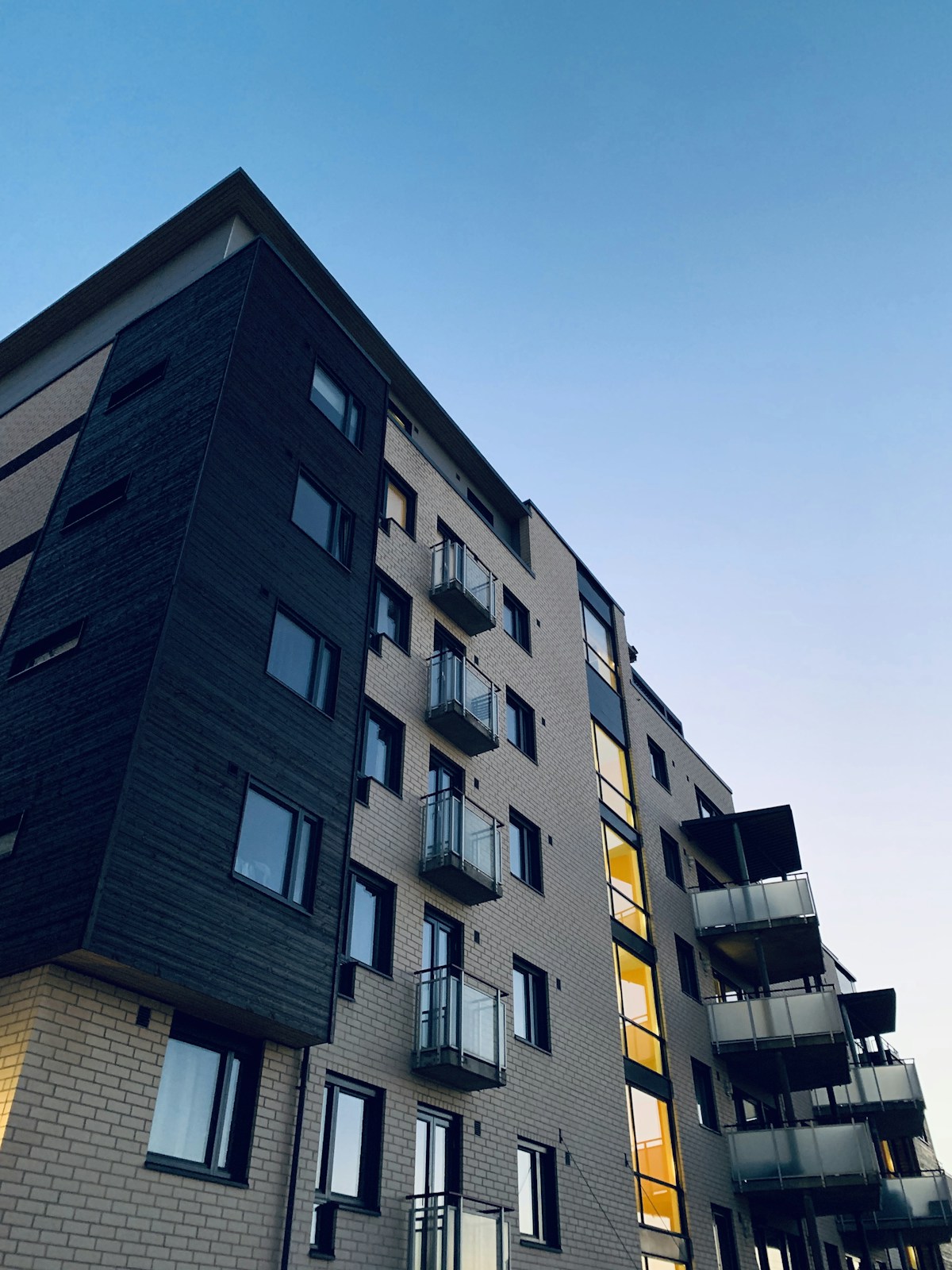
Dubai's residential rental market is sending contradictory signals, with landlords continuing to demand rate increases even as vacancy rates rise across multiple neighborhoods—a disconnect that suggests the property boom may finally be cooling.
Tenants across the emirate report receiving renewal notices demanding 5-10% rent increases, despite visible evidence of empty apartments in their own buildings. The phenomenon has sparked frustration and calls for collective resistance among renters who believe landlords are exploiting outdated "market rate" narratives.
"Is anyone else seeing a lot of apartments getting vacated due to job loss, business issues due to war etc everywhere while simultaneously getting emails from owners/real estate agencies for 5-10% rent increases?" one Dubai resident posted on social media. "It doesn't add up."
The complaint resonates with broader economic pressures affecting Dubai's expat workforce. As layoffs spread across sectors and regional instability weighs on business confidence, some residents are leaving the emirate or downgrading to cheaper accommodations. Yet real estate agencies, accustomed to years of relentless price growth, continue citing RERA index figures to justify increases.
Tenants are pushing back. "The only way this changes is if we stop saying 'yes,'" wrote another resident, calling for collective bargaining. "If we want to see the RERA index actually reflect reality, we have to be bold during renewal negotiations."
The suggested strategy: refuse increases, threaten to move to vacant units, and coordinate with neighbors to present a unified front. "Agencies want the easy commission of a renewal. If they think they'll lose a steady tenant and face a months-long vacancy, their tone changes real fast."
Whether such grassroots organizing can succeed in a market historically tilted toward landlords remains uncertain. Dubai's property sector has been governed by the Rental Increase Dispute Center (RERA) index, which caps allowable increases based on average market rents. But enforcement depends on tenants filing complaints, and many expats—particularly those on employer-sponsored visas—hesitate to challenge landlords for fear of complications.
Still, rising vacancies suggest market dynamics may shift landlord calculations. If apartments sit empty for months, owners face not just lost rental income but also service charges and maintenance costs. In a city where rental yields have compressed in recent years, prolonged vacancies can quickly turn profitable investments into financial drags.
In the Emirates, as across the Gulf, ambitious visions drive rapid transformation—turning desert into global business hubs. Dubai's property market has been both engine and symbol of that transformation, attracting investors worldwide with promises of high returns and tax-free income. But markets built on continuous growth eventually encounter limits, and the current vacancy-versus-rent-hike standoff may signal that Dubai's residential sector has reached one.
How the market resolves this tension—whether through landlord concessions, tenant exodus, or regulatory intervention—will shape Dubai's affordability and attractiveness as regional economic headwinds persist.


