
The expanding conflict involving Iran has sent economic shockwaves through Central Asia, with Turkmenistan experiencing the most severe disruption as critical trade corridors collapse and food prices surge across the region.
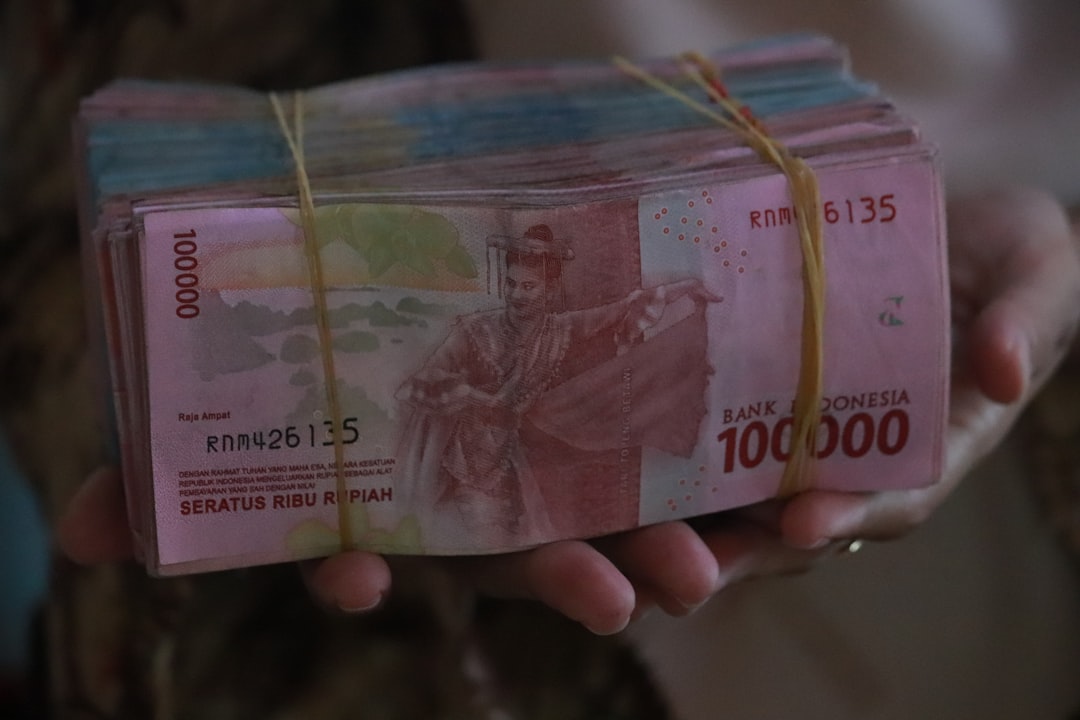
Turkmenistan faces particularly acute economic exposure due to its heavy dependence on Iranian imports. The country relies almost entirely on Iran for food and household items, with border regions experiencing immediate supply disruptions. Radio Free Europe/Radio Liberty reported dramatic price increases in staples: cooking oil jumped from 150 to 200 manats ($29-$39), potatoes rose from 7-9 manats per kilogram to 17 manats, tomatoes doubled to 20 manats, and chicken meat surged from 40 to 90 manats per kilogram.
With average salaries around 2,500 manats ($714 at official rates), these price spikes severely impact purchasing power. One Balkan region resident warned that "if the conflict drags on six months or longer, people could face severe shortages." The assessment reflects immediate vulnerability in a country with limited alternative import sources.
The critical Sarakhs border crossing—handling increasing pre-war volumes—has essentially halted operations. Satellite imagery from late February showed long truck queues; subsequent images revealed no movement. The Southern Corridor connecting Dubai through the Strait of Hormuz to Iranian ports has collapsed entirely, disrupting the primary re-export gateway for Central Asian goods from Europe and India.
Uzbekistan faces less severe but significant disruption. Iranian dairy products, which held 8-10% of Uzbekistan's import market and cost 20-40% less than competitors, face potential disappearance from markets. Daily shipments of 15 trucks from Iran have stopped entirely, forcing Uzbek importers to seek more expensive alternatives.