If you checked your portfolio this weekend and wondered why energy stocks are suddenly looking attractive, here's the short version: Iran just closed one of the world's most important shipping lanes, and the ripple effects go way beyond the obvious oil price spike.
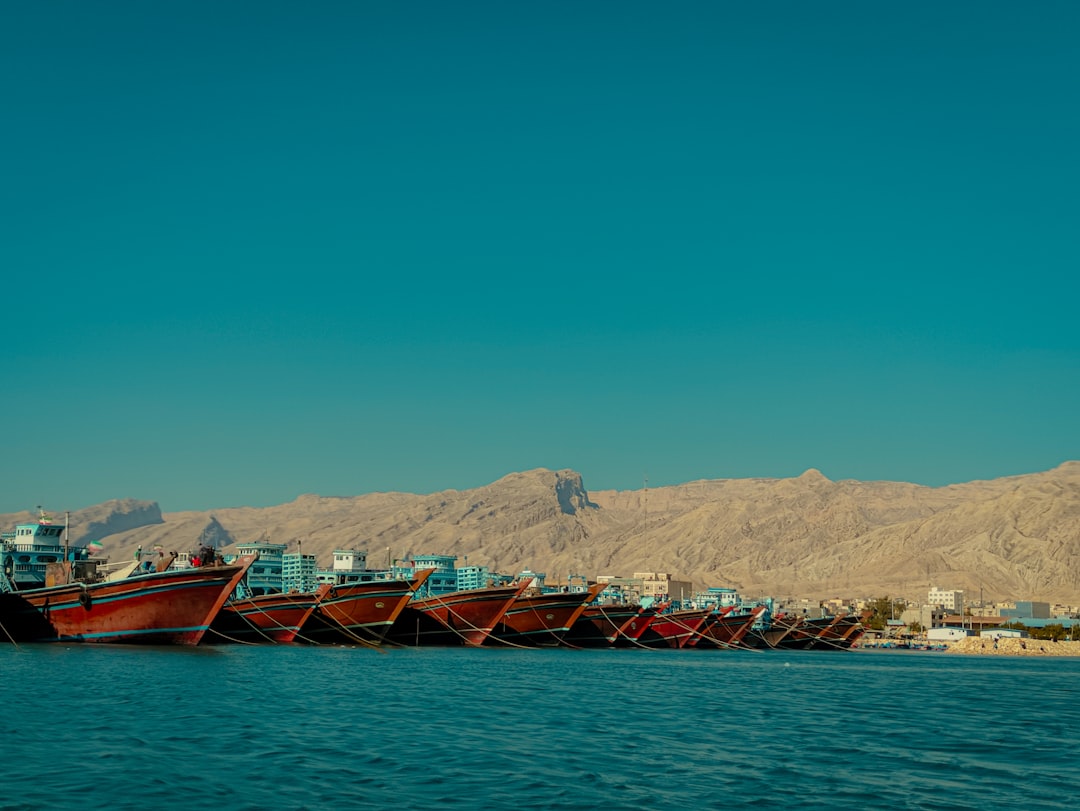
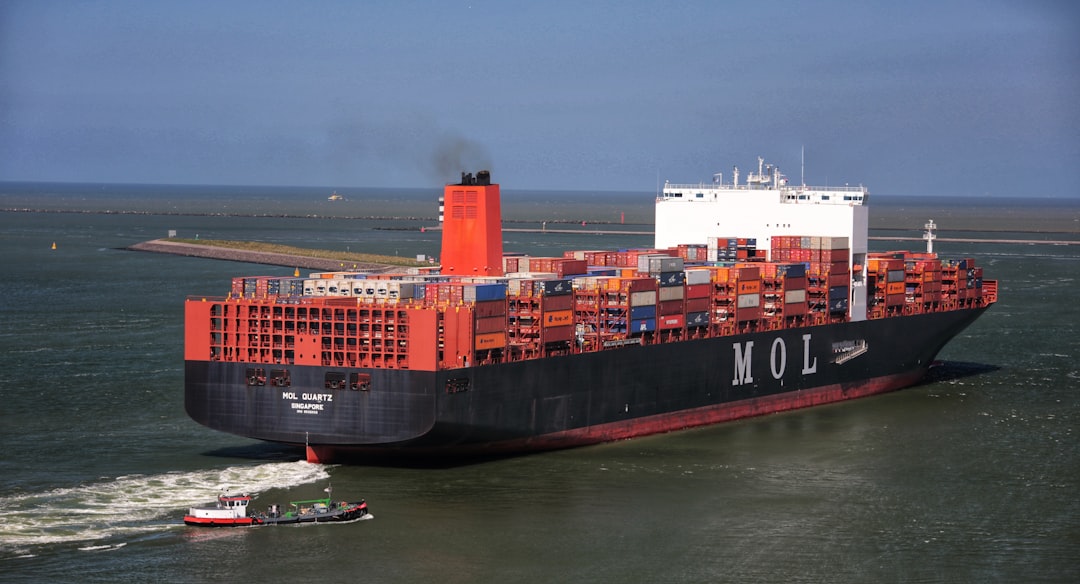
Iran's Revolutionary Guards told ships on Friday that passage through the Strait of Hormuz is "not allowed," according to an EU naval mission official. For context, about 20% of the world's oil supply normally flows through this narrow waterway between Iran and Oman. This isn't just saber-rattling—it's an actual blockade.
The knee-jerk market reaction is predictable: oil jumps, energy stocks follow. But if they can't explain it simply, they're probably hiding something, and what Wall Street isn't shouting about yet are the second-order effects that could hit your retirement accounts harder than the oil spike itself.
Here's what actually matters for your money:
First, airlines. If you own consumer discretionary funds or travel-related stocks, brace yourself. Airlines operate on razor-thin margins, and jet fuel is their biggest variable cost. A sustained oil price above $75 per barrel starts to hurt. Above $85, it gets ugly. We're already at $73 and climbing. One Reddit user tracking oil futures noted they're up 170% on crude oil calls—that's not normal weekend volatility.
Second, the political pressure cooker. Midterm elections are coming in November, and nothing tanks an incumbent party faster than expensive gas. If Donald Trump's administration gets dragged into a prolonged conflict that keeps oil elevated, expect fiscal stimulus or strategic petroleum reserve releases. That means more government spending, which means inflation pressures that the Fed can't ignore, which means those rate cuts everyone's banking on might get delayed. Again.
Third, and this is the part most people miss: what if it resolves quickly? The geopolitical risk premium could evaporate just as fast as it appeared. If you're panic-buying energy stocks on Monday morning, you might be the exit liquidity for traders who positioned on Friday. Iran and the both have reasons to posture without escalating to full-scale war. Remember when this happened six months ago? Oil spiked, tensions cooled, prices normalized.