Oil markets are whipsawing like a caffeinated trader on a Red Bull binge, and the reason is simple: nobody knows if this ceasefire is real.
Yesterday, oil crashed 16% on optimism that the U.S.-Iran ceasefire would reopen the Strait of Hormuz and restore normal tanker traffic. Today, oil is back near $99 a barrel because, surprise, the ceasefire isn't working as advertised.
Here's what's actually happening. The ceasefire was announced 36 hours ago, but both sides are already arguing about what they agreed to. Trump says the Strait of Hormuz should be completely open. Iran says ships can only pass with IRGC coordination. Those aren't two versions of the same deal, those are two completely different deals.
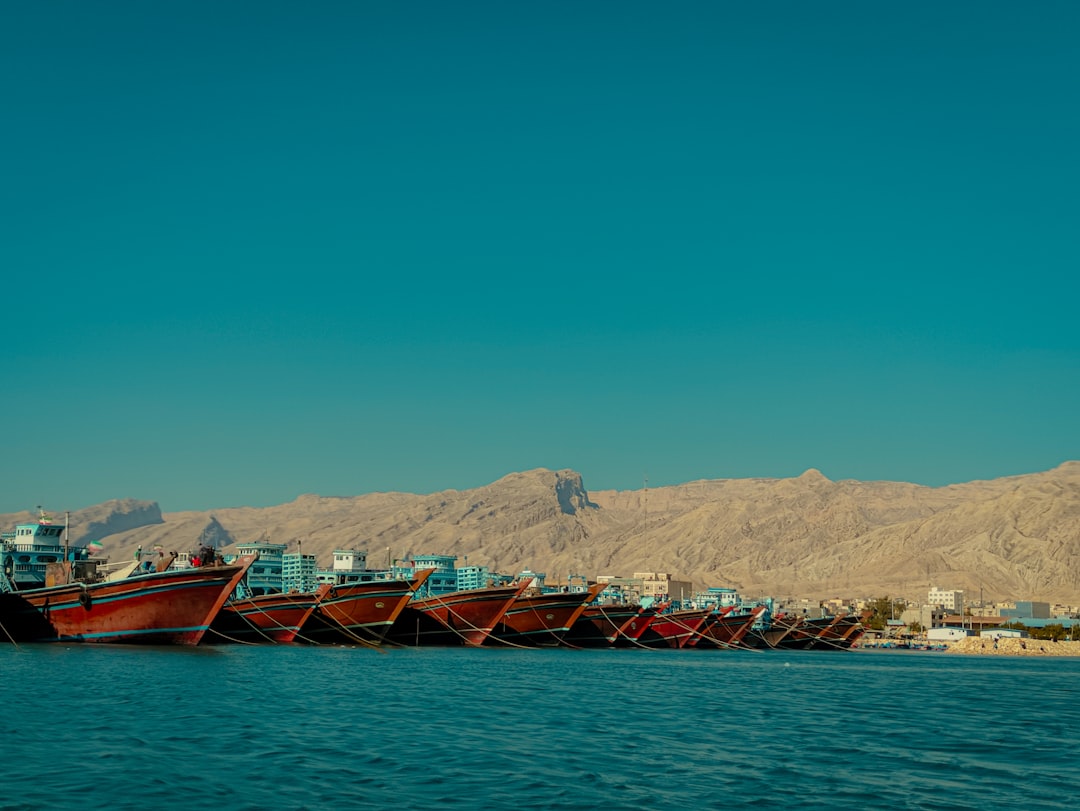
Meanwhile, over 400 tankers are sitting anchored in the Persian Gulf, waiting for clearance that hasn't come. That's not a minor supply disruption, that's a fifth of the world's oil shipments stuck in limbo.
Then there's the Lebanon problem. Pakistan says Lebanon was included in the ceasefire. The U.S. says it wasn't. Israel says it fully supports the deal, then launched its largest airstrike on Lebanon since the war started. You can't make this up.
What does this mean for investors?
Oil is trading headlines, not fundamentals. Every time there's optimism, oil drops. Every time that optimism falls apart, oil spikes. This isn't a supply-demand story anymore, it's a geopolitical guessing game.
I pulled up energy stocks in my screener after yesterday's 16% crash, and the technical signals hadn't broken. That told me the market didn't believe the rally was real. Sure enough, oil bounced back within 24 hours.
The bigger issue: the Strait of Hormuz handles roughly 20% of global oil shipments. Even if there's no actual shortage, the of disruption is enough to keep prices elevated. Oil traders aren't pricing in what's happening today, they're pricing in what could happen tomorrow.