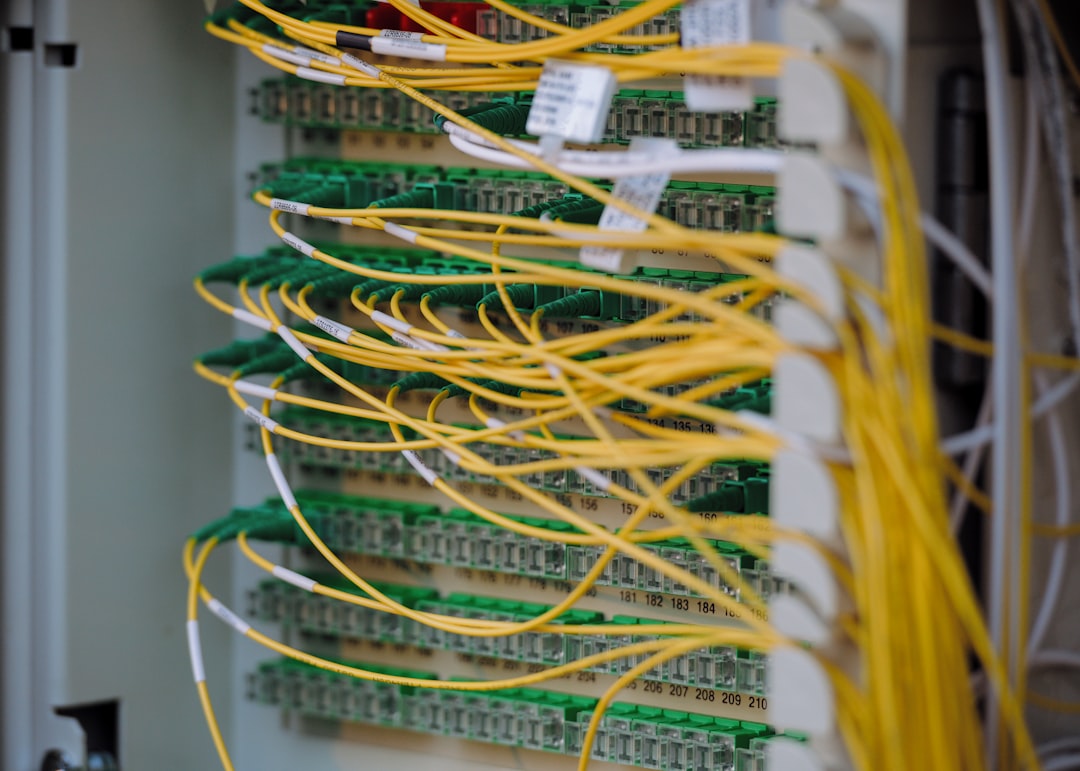
When companies talk about moving to "the cloud," they're not talking about some ethereal, untouchable dimension. They're talking about actual buildings full of servers. And as Iran just demonstrated, those buildings can be targeted.
Iran announced Wednesday that it struck Oracle data center facilities in the UAE, potentially affecting cloud services for enterprise customers across the region. If verified, this represents the first major military attack on critical cloud infrastructure during the current conflict—a wake-up call for every company that assumes their cloud provider is invulnerable.
The technology is impressive. Modern cloud infrastructure distributes data across multiple geographic regions precisely to avoid single points of failure. But that redundancy only works if the regions themselves remain operational. When physical facilities come under attack, all the sophisticated failover systems in the world can't help you if your backup data center is in the same war zone.
Oracle has not yet confirmed the extent of any damage, and independent verification is still pending. But the mere fact that cloud infrastructure is now a legitimate military target should change how enterprises think about disaster recovery. Your uptime SLA doesn't account for missile strikes.
This isn't about fearmongering—it's about honest risk assessment. For years, cloud providers have marketed their services as more reliable than on-premises infrastructure. And for most threats—hardware failure, natural disasters, even cyberattacks—that's true. But geopolitical risk is different. You can't patch your way out of a war.
The question every CTO should be asking right now: where are my cloud provider's data centers located, and what happens if one becomes a target? Because "the cloud" isn't magic. It's just someone else's building. And buildings can be destroyed.