Indonesia has unveiled plans for a massive 13-gigawatt solar energy rollout as the initial phase of its ambitious 100 GW renewable energy target, marking a significant shift away from coal dependence for Southeast Asia's largest economy.
The announcement positions Indonesia as an emerging leader in ASEAN's clean energy transition, challenging the nation's decades-long reliance on coal-fired power plants that currently generate more than 60 percent of its electricity.
According to the Jakarta Globe, the 13 GW solar initiative represents one of the most ambitious renewable energy deployments in the region, comparable to the entire installed electricity capacity of several smaller ASEAN nations.
"This is a transformational moment for Indonesia's energy sector," said energy ministry officials announcing the program. "We're not just adding renewable capacity—we're fundamentally reshaping how Indonesia powers its economy and supports 270 million people across 17,000 islands."
The scale of the initiative reflects both Indonesia's renewable energy potential and the extraordinary challenges of energy distribution across an archipelagic nation. Solar deployment must account for geographic diversity, from densely populated Java to remote eastern islands with minimal grid infrastructure.
In Indonesia, as across archipelagic democracies, unity in diversity requires constant negotiation across islands, ethnicities, and beliefs. Energy policy presents these challenges in stark terms: how to balance Java's concentrated demand with the outer islands' need for reliable power and economic development.
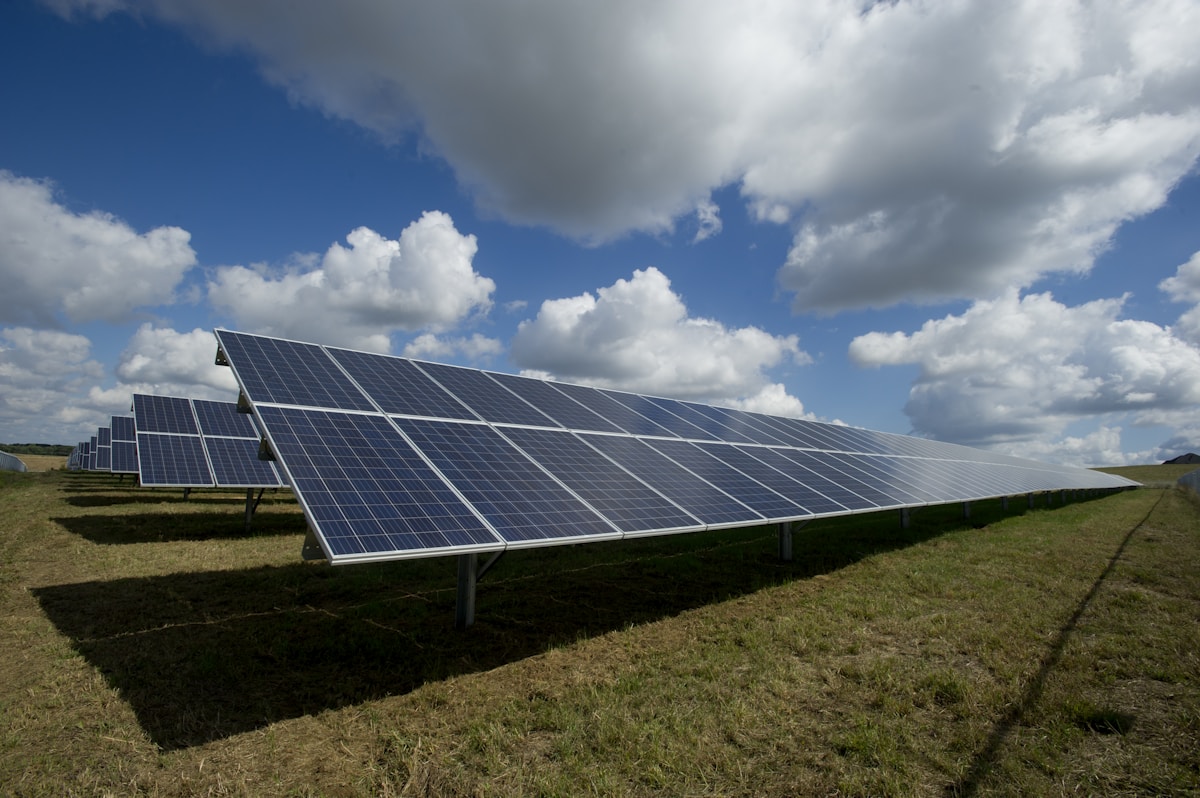
The 13 GW target includes both large-scale solar farms and distributed rooftop solar systems, acknowledging that different regions require different approaches. Java and Bali, with existing grid infrastructure and concentrated populations, can support utility-scale projects. Meanwhile, eastern islands like and parts of may benefit more from decentralized solar microgrids.