Australia is confronting a bitter reality this Anzac Day: the nation's most sacred commemorative event has become a flashpoint for racial tensions, with Indigenous leaders condemning what they describe as coordinated racist booing targeting Aboriginal and Torres Strait Islander participants at dawn services across the country.
The incidents, which occurred at multiple ceremonies on April 25, have sparked outrage from Indigenous community leaders who are calling out racism as 'a cancer' eating away at Australian society.
Anzac Day Under Siege
Mate, there's something deeply wrong when the day meant to honour those who served becomes a platform for racial abuse. Multiple reports emerged from dawn services across Australia where Indigenous participants—many of them veterans or their families—were subjected to orchestrated booing during Acknowledgments of Country and when Aboriginal flags were displayed alongside the Australian flag.
This isn't just a few isolated incidents. Indigenous leaders are describing the booing as coordinated and deliberate, suggesting an organized effort to target Aboriginal and Torres Strait Islander people at what should be the most solemn of national occasions.
According to The Guardian, the incidents have exposed the raw divisions that have plagued Australia since the failed Voice referendum, when voters rejected constitutional recognition for Indigenous Australians.
The Voice's Long Shadow
The timing isn't coincidental. The Voice referendum defeat in 2023 unleashed culture wars that have only intensified. What started as a debate about constitutional recognition has metastasized into open hostility at public events—now including Anzac Day, which has historically stood above political divisions.
Indigenous leaders are making clear they won't accept this. 'Racism is a cancer,' one leader stated, pointing to the systematic nature of the abuse and the need for Australia to confront uncomfortable truths about how far the country has regressed on reconciliation.
Sacred Ground, Poisoned Atmosphere
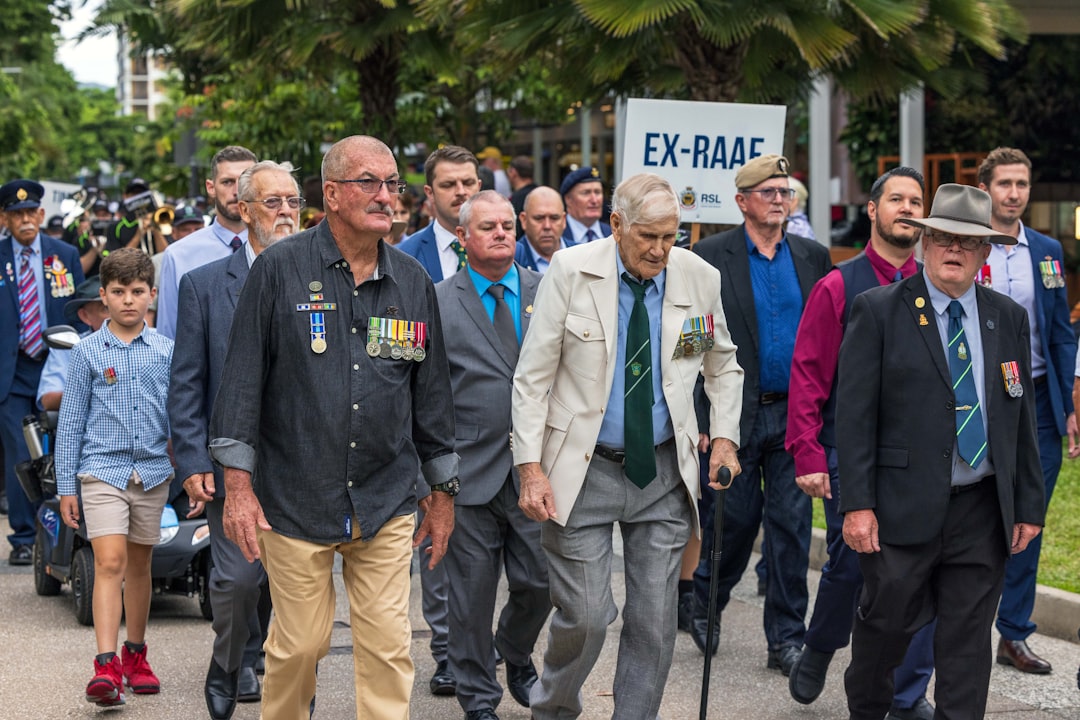
Anzac Day matters in Australia in a way that's hard to explain to outsiders. It's not just a holiday—it's the closest thing the nation has to sacred civic space. The dawn service, with its minutes of silence and the Last Post echoing across memorials from Sydney to Darwin, represents something Australians hold above politics.
Or it used to.
Seeing that space weaponized for racial abuse shows how deep the divisions run. Indigenous Australians have served in every conflict since the Boer War, often fighting for a country that denied them citizenship and basic rights. Their descendants now face coordinated booing at services meant to honour that sacrifice.
Where Does Australia Go From Here?
The question facing Australia is whether this is the new normal. Do Anzac Day ceremonies now become battlegrounds in the culture wars? Do Indigenous Australians need to brace for abuse when they appear at national events?
Indigenous leaders are demanding action—not just condemnation, but concrete steps to address the organized nature of these incidents and the broader climate that enables them. They're calling out the cancer of racism and asking whether Australia has the courage to confront it.
Mate, there's a whole continent down here that's supposed to be better than this. Right now, it's failing that test badly.
Anzac Day 2026 won't be remembered for solemn commemoration. It'll be remembered as the day racist abuse infiltrated Australia's most sacred national ceremony—and the day Indigenous leaders said enough.