Ask digital nomads about India and you will get one of two answers: a disaster narrative or a transformation story. Rarely anything in between. A thread on r/digitalnomad soliciting honest accounts from digital nomads who had genuinely positive experiences in India generated 53 comments — and the nuanced consensus that emerged is more useful than either camp.
The thread's original question cut to the heart of the anxiety many nomads carry: "It's either 'it was incredible and life-changing' or 'I was scammed, shouted at, and haven't digested properly since.'" The responses reveal that both accounts are true — and that the difference comes down to one variable: slow travel.
Digital nomads who stayed a month or more in a single Indian city consistently reported positive experiences. Those who attempted to move rapidly across multiple cities within a short timeframe — replicating the tourist's pace in a country with the density and intensity of India — reported exactly the exhaustion and friction the horror stories describe.
Mumbai and New Delhi generate the most discussion as first bases, and experienced India hands distinguish them sharply. Mumbai is described as more cosmopolitan, with a faster pace, stronger English penetration, and a startup ecosystem centered around Bandra and Andheri neighborhoods. Its cafe culture — particularly in Bandra West — is legitimate by any international standard, with reliable WiFi and a working professional clientele that makes it comfortable for remote work.
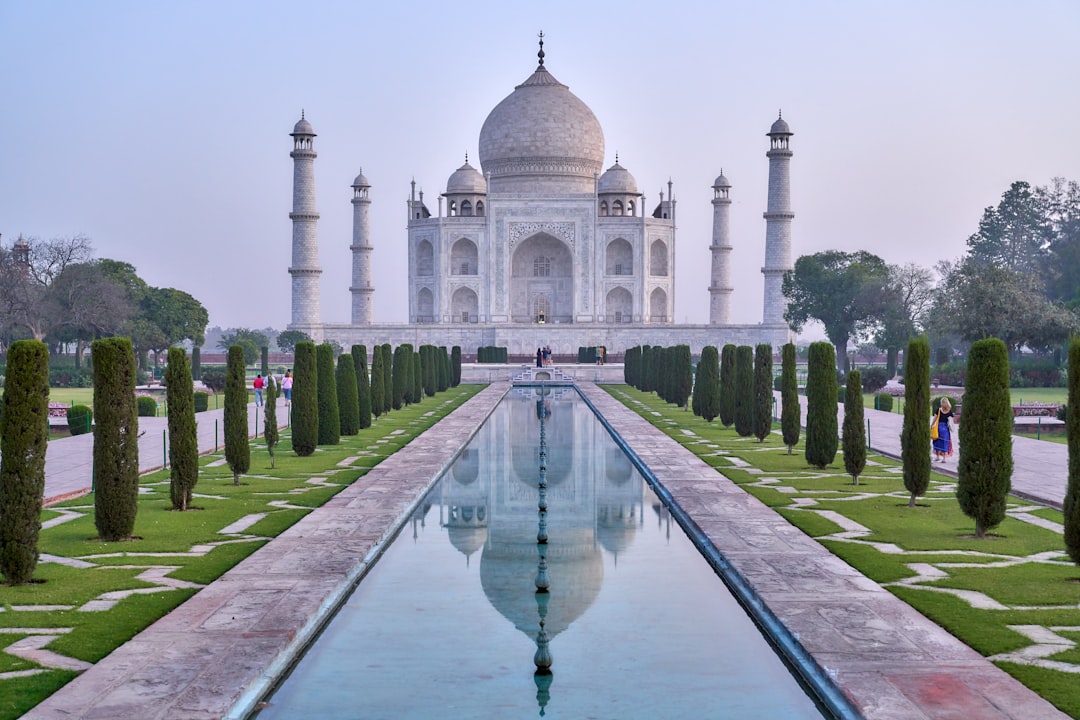
New Delhi offers more cultural intensity: the street life of Lodi Garden, the coworking infrastructure of Connaught Place, and access to some of India's most extraordinary day trips — Agra, Jaipur, and the Himalayan foothills within reach. The air quality remains a serious concern, however, particularly from October through February, and nomads with respiratory sensitivities should factor this into timing decisions.

Beyond the two metro entry points, Bangalore is emerging as the most compelling base for digital nomads in 2026. As India's technology capital, it offers the country's most developed coworking infrastructure, a strong English-speaking professional community, and a climate significantly more temperate than either coastal metro. Platforms like Nomad List have begun placing Bangalore in mid-tier rankings for digital nomad suitability, with internet speeds and coworking density improving year-over-year.
Goa continues to attract the beach-and-laptop crowd, with established coworking spaces in Panaji and longer-stay communities forming in South Goa. The cost advantage is real: comfortable accommodation with strong WiFi, meals from local restaurants, and a scooter rental for mobility can be achieved for $600–900 per month — figures that make India one of the cheapest quality-of-life destinations for nomads globally.
The practical tips experienced India nomads cite most often:
Arrange the SIM card at the airport. Airtel and Jio both offer foreigner-compatible plans with good data speeds. Do not attempt to sort connectivity after you land and are already tired and disoriented.
Budget a week of adjustment. The sensory intensity is real. Experienced nomads recommend booking the first accommodation in advance, staying in it longer than feels necessary, and not rushing into movement.
Learn to distinguish persistent salesmanship from actual threat. The vast majority of aggression travelers report is commercial, not physical. The noise and pushiness of tourist-zone interactions is culturally calibrated, not personally targeted.
The digital nomad who goes to India looking for a sanitized, frictionless remote-work base will be disappointed. The nomad who arrives willing to engage with a country of genuine complexity — and who commits to staying long enough to move past the initial overwhelm — tends to describe it as the most memorable base of their traveling career.