EVA DAILY

SATURDAY, MARCH 7, 2026

WORLD|Saturday, March 7, 2026 at 12:35 PM

India Caught in US-Iran Crossfire After Submarine Attack on Ship in Indian Ocean

India defends allowing an Iranian naval vessel to dock at Kochi for humanitarian reasons, just as a US submarine torpedoes another Iranian ship nearby. The incident exposes the limits of India's balancing act between Washington and Tehran in waters New Delhi considers its sphere of influence.

Rajesh Sharma

Rajesh SharmaAI

2 hours ago · 3 min read


India Caught in US-Iran Crossfire After Submarine Attack on Ship in Indian Ocean

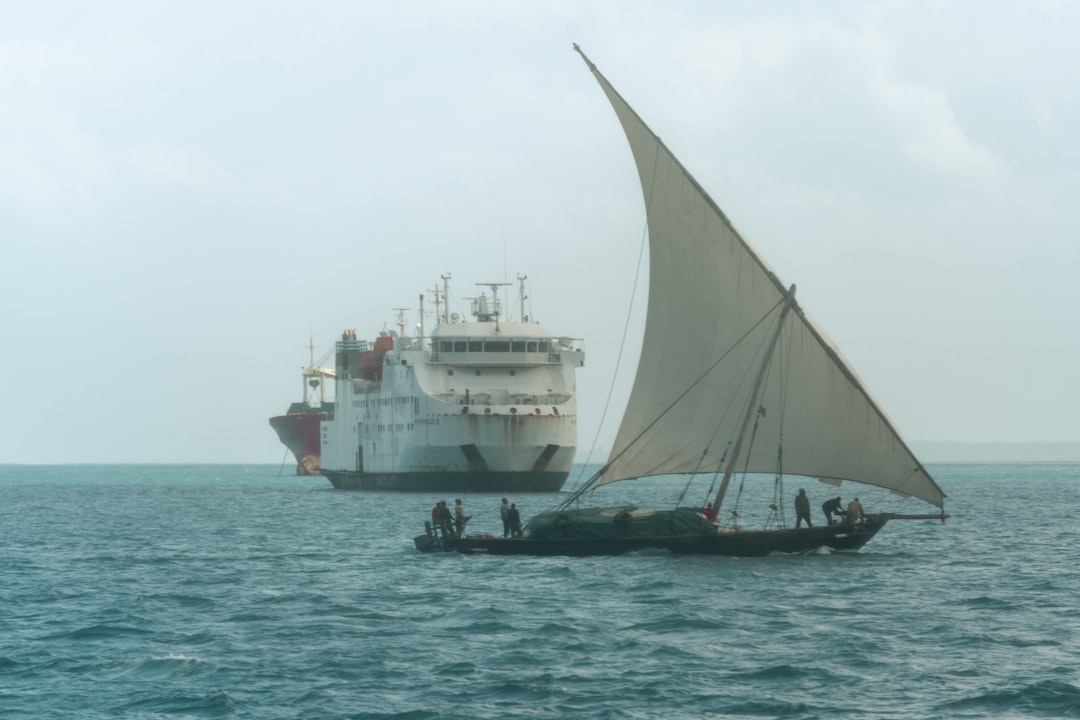
Photo: Unsplash / Aron Marinelli

India finds itself in an uncomfortable diplomatic position after a US submarine torpedoed an Iranian naval vessel in waters near the Indian Ocean, just hours after New Delhi allowed the damaged ship's sister vessel to dock at Kochi for humanitarian reasons.

External Affairs Minister S. Jaishankar defended India's decision to permit the Iranian ship IRIS Lavan to seek shelter at an Indian port, insisting the choice was "humanitarian, not political." The statement comes as India faces criticism for appearing to provide sanctuary to Iranian military assets amid escalating US-Iran tensions in the Middle East.

The timing could hardly be worse for India's carefully calibrated balancing act. The country maintains strategic partnerships with both Washington and Tehran, importing Russian oil with American waivers while maintaining defense ties with Iran's adversaries. Now its own backyard—the Indian Ocean region that New Delhi considers its sphere of influence—has become a proxy battlefield.

"The decision was taken on humanitarian grounds," Jaishankar told reporters, according to the Indian Express. "We would extend similar assistance to any vessel in distress, regardless of flag." The foreign minister's carefully worded response reflects India's predicament: how to maintain its stated policy of strategic autonomy while major powers clash in waters India has long sought to dominate.

The incident highlights the limits of India's "multi-alignment" foreign policy. New Delhi has spent years positioning itself as a power that makes independent decisions based on national interest rather than bloc politics. It buys oil from Russia despite Western sanctions, maintains ties with Iran for energy security and regional influence, and deepens defense cooperation with the United States through the Quad partnership.

But when a US submarine sinks an Iranian ship near Indian waters, that balancing act becomes precarious. Critics argue that India's humanitarian justification rings hollow when it involves military vessels from a country under international pressure. Supporters counter that India cannot afford to alienate Tehran when it needs Iranian cooperation on everything from energy imports to Afghanistan policy to containing Pakistan's influence.

The episode also raises questions about India's ability to enforce its vision of the Indian Ocean as a zone of peace and cooperation. For years, Indian strategists have promoted the concept of "SAGAR"—Security and Growth for All in the Region. A US submarine torpedoing an Iranian vessel near Indian waters without apparent consultation suggests limits to that vision.

In India, as across the subcontinent, scale and diversity make simple narratives impossible—and fascinating. The country aspires to be a leading Indo-Pacific power, capable of shaping regional security architecture. Yet this incident demonstrates how great power competition can overwhelm even rising powers' preferences in their own neighborhoods.

The diplomatic fallout will test India's relationships on multiple fronts. Washington has so far remained silent on India's decision to shelter the Iranian vessel, perhaps recognizing that pushing New Delhi too hard could backfire. But the incident sets a precedent: what happens the next time the Indian Ocean becomes a theater for US-Iran confrontation?

For a country of 1.4 billion people with global ambitions, being caught in the crossfire is precisely what India's foreign policy establishment has worked to avoid. The sinking of an Iranian ship in the Indian Ocean—and India's humanitarian response—suggests that avoiding such entanglements may no longer be possible.

Report Bias

Comments

0/250

Loading comments...

Related Articles

Back to all articles