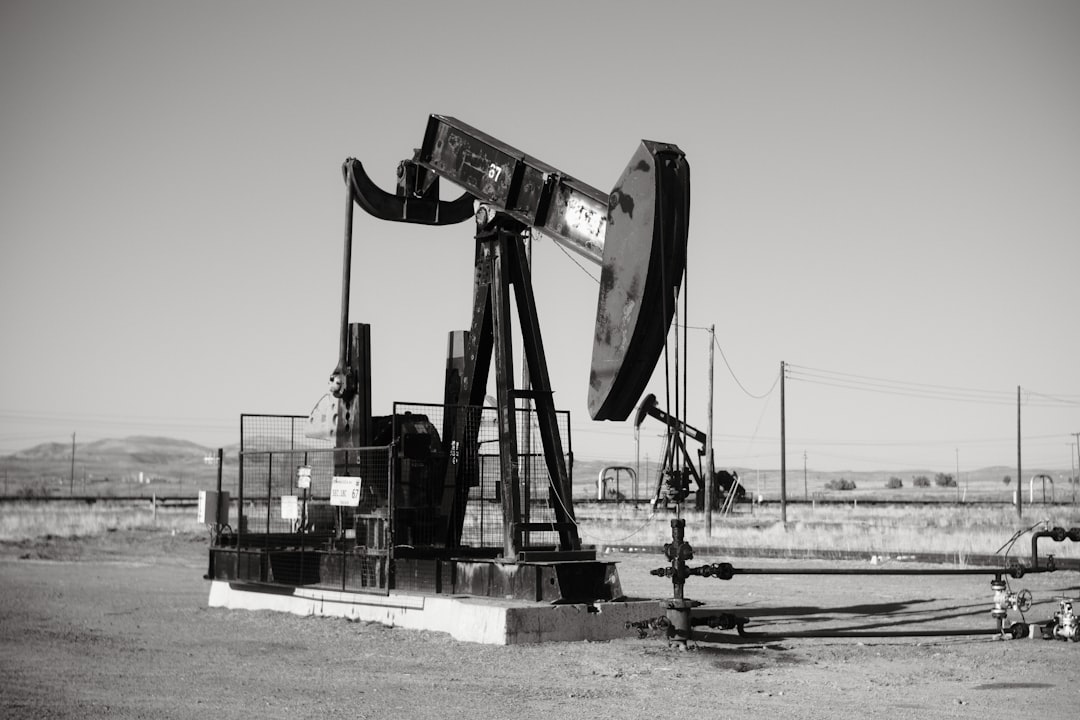
The International Energy Agency is proposing the largest-ever release of oil from strategic petroleum reserves as escalating conflict in the Middle East threatens global supply chains—a move that signals serious concern about energy security.
The Wall Street Journal reports the coordinated release would dwarf the previous record set during the 2022 Russia-Ukraine crisis. Member nations are being asked to tap emergency stockpiles as tensions between Iran and regional powers threaten critical shipping lanes and production facilities.
This isn't routine inventory management. The IEA—the energy watchdog for industrialized nations—only proposes strategic reserve releases during genuine supply emergencies. The fact that they're contemplating the largest drawdown in history tells you everything about what they're seeing in intelligence briefings that markets may be underpricing.
The timing matters. With inflation still a political liability in Washington, Brussels, and capitals across the developed world, oil price spikes could derail economic recovery and consumer confidence. Every $10 increase in crude translates to roughly 25 cents per gallon at the pump—a tax voters feel every time they fill up.
The release proposal comes as Iran faces renewed pressure over its nuclear program and regional proxy conflicts intensify. Oil traders are watching shipping data through the Strait of Hormuz, where roughly 20% of global petroleum passes daily. Any disruption there sends shockwaves through energy markets.
For investors, this is the IEA essentially buying insurance. The reserve release would flood markets with supply, dampening price spikes and giving governments breathing room to manage a crisis. But it's also an admission: the geopolitical risk premium on oil isn't high enough. When that realization hits futures markets, expect volatility.