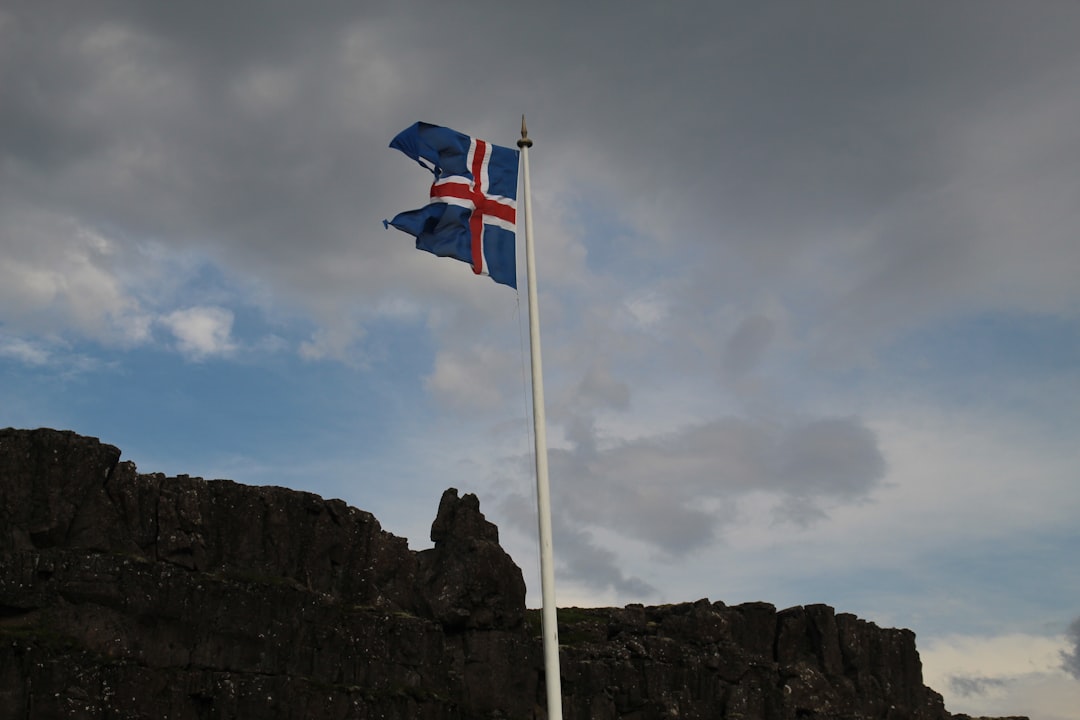
Iceland's Prime Minister has confirmed the country will hold a referendum on EU membership in the coming months, marking what could become the bloc's first expansion since Croatia joined in 2013 – and the first reversal of the Brexit-era narrative that European integration is a one-way exit door.
Brussels decides more than you think. And for the first time in a decade, Brussels might be deciding to grow again.
The announcement signals a remarkable turnaround for Iceland, which withdrew its EU membership application in 2015 after years of stalled negotiations. What changed? The strategic calculus has shifted dramatically since then.
Iceland's location matters more now than it did a decade ago. As Arctic sea routes open due to climate change and NATO refocuses on the North Atlantic, this island nation of 380,000 sits at a geopolitical crossroads. Russia's increased naval activity and the bloc's renewed emphasis on security cooperation make Reykjavik's NATO membership – and potential EU alignment – strategically valuable.
But the referendum is far from a foregone conclusion. Iceland's previous membership bid collapsed over one word: fish. The country's powerful fishing industry – the economic backbone that kept Iceland prosperous through every crisis – has long opposed ceding control of its fishing-rich waters to Brussels' Common Fisheries Policy.
That tension hasn't disappeared. What has changed is the geopolitical context and the calculation of whether sovereignty over cod quotas is worth being outside the EU's regulatory orbit in an era of great power competition.
For the EU, 's membership would be largely symbolic – but that symbolism matters. After years of Brexit damage control, Hungarian and Polish rule-of-law crises, and enlargement fatigue, the accession of a would demonstrate that the EU remains attractive, not just to aspiring Balkan nations, but to developed Western countries.