China has issued legal injunctions protecting domestic oil refineries from US sanctions, deploying blocking statutes to shield Hengli and four smaller 'teapot' refineries from Washington's extraterritorial measures. The move represents Beijing's most direct counter-sanctions response to date, prioritizing energy security and domestic economic stability over diplomatic accommodation.
The injunctions, issued under China's Anti-Foreign Sanctions Law enacted in 2021, prohibit Chinese entities from complying with US secondary sanctions targeting refineries that process Iranian or Venezuelan crude oil. The legal mechanism mirrors European Union blocking statutes developed during transatlantic disputes over Iran sanctions, though Beijing's application appears more comprehensive and enforcement-oriented.
In China, as across Asia, long-term strategic thinking guides policy—what appears reactive is often planned. The decision to protect smaller 'teapot' refineries—independent processors typically located in Shandong province—signals domestic political priorities. These facilities provide regional employment and energy supply diversification, making them economically significant despite their modest scale compared to state-owned giants.
Blocking statutes function as legal shields, forbidding domestic companies from recognizing foreign sanctions, providing legal grounds to refuse compliance, and enabling Chinese courts to counter-sue entities enforcing US restrictions. Unlike European blocking statutes, which have rarely been enforced, China's legal framework includes explicit criminal penalties for companies that comply with foreign sanctions against Beijing's instructions.
The Trump administration had targeted these refineries as part of broader pressure on Iranian oil exports, threatening secondary sanctions on financial institutions processing payments for Iranian crude. China imports significant volumes from Iran and Venezuela, both under US sanctions, viewing energy diversification as essential to economic security amid US-China strategic competition.
Foreign analysts noted Beijing's counter-sanctions toolkit has evolved considerably since 2020. China's Unreliable Entity List, Export Control Law, and Anti-Foreign Sanctions Law now provide layered legal instruments to resist extraterritorial enforcement of US policy preferences. The refinery injunctions represent the first systematic application of these tools to protect specific commercial entities rather than issuing general policy statements.
The timing reflects China's calculation that Washington's leverage has limits. With global oil markets tight and Chinese domestic consumption central to economic growth targets outlined in the 14th Five-Year Plan, Beijing appears willing to absorb diplomatic friction to maintain energy supply flexibility. Chinese official media emphasized sovereignty and legal equality in international relations, framing the injunctions as defensive responses to US overreach.
For international businesses operating between US and Chinese regulatory regimes, the injunctions create acute compliance dilemmas. Financial institutions face potential penalties from either Washington or Beijing depending on transaction handling, accelerating the fragmentation of global commercial systems along geopolitical lines. Chinese banks have increasingly developed dollar-alternative settlement mechanisms for sanctioned commodity trade, reducing vulnerability to US financial system access restrictions.
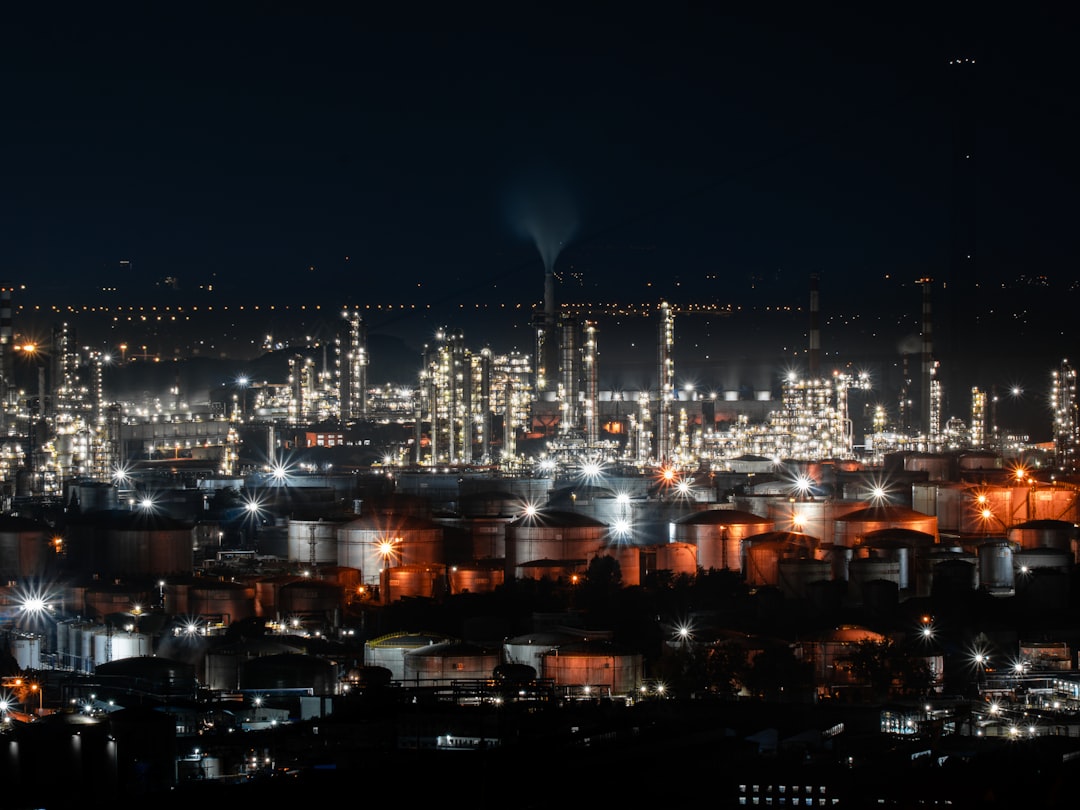
The refineries protected include Hengli Petrochemical, a major privately-owned integrated refining and chemicals complex, alongside four smaller independent processors. Collectively, they process several hundred thousand barrels per day of crude oil, representing meaningful capacity in China's refining sector. Their protection suggests Beijing views private sector energy companies as strategic assets requiring state legal defense.
Western sanctions experts observed that Chinese blocking statutes may prove more effective than European equivalents due to China's unified political system and willingness to enforce penalties. European companies often complied with US sanctions despite EU blocking statutes, fearing loss of American market access. Chinese state direction and domestic market scale provide different incentives, potentially making Beijing's legal countermeasures more credible.
The development adds another dimension to US-China economic decoupling, extending beyond technology and manufacturing into energy and financial sectors. As both powers develop parallel legal frameworks asserting extraterritorial jurisdiction, multinational corporations face increasingly incompatible regulatory demands, forcing choices about market priorities and operational structures.