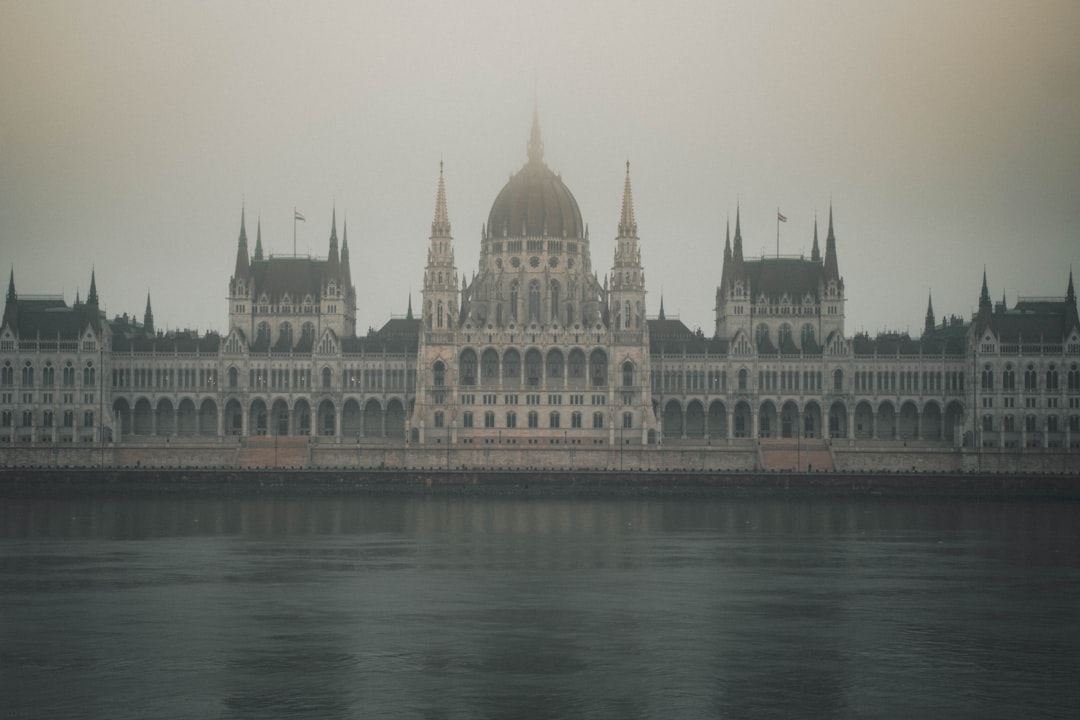
A new Hungarian government led by Péter Magyar was officially formed on Monday, marking a seismic shift in European geopolitics as Budapest pledged to break decisively from its long-standing alignment with Moscow and restore cooperation with European Union institutions.
The transition ends nearly fifteen years of rule by Viktor Orbán, whose government had positioned Hungary as Russia's closest ally within the EU and NATO, repeatedly blocking sanctions, opposing military aid to Ukraine, and maintaining warm relations with President Vladimir Putin even after the 2022 invasion.
"Hungary is Moscow's Trojan horse no more," declared the new Foreign Minister during the government's first press conference, signaling an unambiguous departure from the previous administration's foreign policy orientation. The statement immediately reverberated across European capitals, where officials have long viewed Hungarian obstruction as a major impediment to unified EU policy.
Geopolitical Realignment
The formation of the Magyar government represents one of the most significant geopolitical realignments in recent European history. For years, Hungary under Orbán served as Russia's primary advocate within Western institutions, using its EU veto power to water down sanctions packages, delay aid to Ukraine, and generally frustrate efforts at unified European policy toward Moscow.
To understand today's headlines, we must look at yesterday's decisions. Orbán's government cultivated exceptionally close ties with the Kremlin, with the Hungarian leader meeting Putin multiple times annually and describing him as a valued partner even as Russian forces invaded Ukraine. Hungary remained heavily dependent on Russian energy, opposed EU defense initiatives, and criticized Western support for Kyiv.
This positioning earned Hungary billions in EU funds being withheld over rule-of-law concerns, created persistent tensions with NATO allies, and isolated Budapest within European institutions. The new government's pivot toward Brussels and away from Moscow carries enormous implications for EU unity, sanctions policy, and support for Ukraine.
Domestic Political Revolution
The political transition in Hungary followed months of mass protests and a closely contested election that international observers deemed substantially more free and fair than previous Hungarian votes. Magyar's Tisza Party campaigned explicitly on restoring Hungary's place within mainstream European politics, fighting corruption, and ending what opposition figures described as Orbán's authoritarian drift.
The new government includes ministers drawn from multiple opposition parties that united specifically to defeat Orbán's Fidesz party. This coalition nature presents both opportunities and challenges, as the government must maintain unity while implementing fundamental reforms across multiple policy domains.
In his inaugural address to parliament, Prime Minister Magyar emphasized that Hungary's future lies with Europe, not with authoritarian powers that threaten democratic values and European security. He pledged to restore the independence of Hungarian courts, media, and civil society institutions that critics argued had been captured by the previous government.
Implications for EU Sanctions Policy
The immediate practical impact concerns European sanctions on Russia. Previous rounds of EU sanctions required unanimous agreement among all 27 member states, giving Hungary effective veto power that Orbán repeatedly exercised to extract concessions or delay implementation.
European officials now anticipate more robust sanctions packages can advance without the persistent Hungarian obstruction that characterized policy-making since 2022. This includes potential restrictions on Russian energy imports, financial sanctions on additional Russian entities, and measures targeting sanctions evasion through third countries.
The shift also affects military aid to Ukraine. While military decisions typically do not require EU unanimity, Hungary's opposition complicated logistics, transit arrangements, and financing mechanisms for aid packages. Several EU initiatives to support Ukrainian defense production and procurement had been delayed or weakened by Hungarian objections.
NATO's Eastern Flank Strengthened
For NATO, the Hungarian political transition removes a persistent source of alliance friction. Orbán's government had delayed Sweden's NATO accession, opposed enhanced forward presence in Eastern Europe, and generally resisted alliance measures aimed at deterring Russian aggression.
The new government immediately signaled it would take alliance obligations more seriously, including potentially increasing defense spending to meet NATO's 2% of GDP target and participating more actively in collective security measures. This strengthens NATO's overall posture in Eastern Europe, where allied cohesion is essential for effective deterrence.
Polish and Baltic officials, who had particularly strained relationships with the Orbán government, welcomed the political change in Budapest. Regional cooperation among Central European states—long complicated by Hungarian divergence—may now proceed more smoothly.
Economic and Energy Transitions
The new government faces immediate challenges regarding Hungary's energy dependence on Russia. The previous administration had secured long-term natural gas contracts and maintained close cooperation with Russian energy companies, creating vulnerabilities that take years to fully address.
Ministers indicated Hungary will work to diversify energy sources in coordination with EU partners, though they acknowledged this transition cannot occur overnight. The government must balance moving away from Russian energy with maintaining affordable supplies for Hungarian households and industries.
Brussels officials signaled that previously withheld EU funds—approximately €30 billion frozen over rule-of-law concerns—could become available as the new government implements judicial and anti-corruption reforms. These funds would significantly support Hungary's economic development and the costs of energy transition.
As Europe watches Hungary's political transformation unfold, the implications extend far beyond one country's domestic politics. The change removes one of Moscow's most important footholds in European institutions and potentially enables more coherent Western policy toward Russia, Ukraine, and broader security challenges—developments that will shape European geopolitics for years to come.