Austria confirmed its air force scrambled fighter jets to intercept U.S. military aircraft that entered Austrian airspace without proper authorization, marking an unusual incident between two Western allies and highlighting tensions surrounding the strictly neutral Alpine nation's sovereignty concerns.
The Austrian Defense Ministry stated that the unauthorized flight violated established protocols for military aircraft transiting Austrian airspace. While such incidents occasionally occur due to navigational errors or communication failures, the scrambling of fighter jets represents a more serious response than routine diplomatic complaints, suggesting Austrian authorities viewed the incursion as particularly problematic.
Details of the Incident
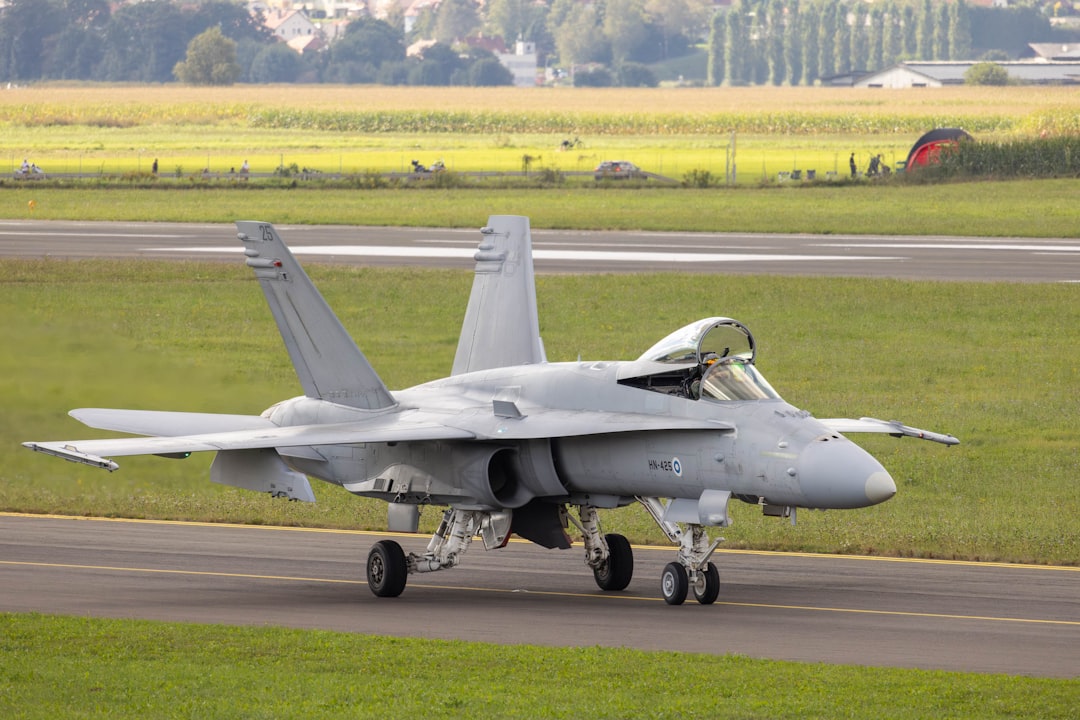
Austrian Eurofighter Typhoon jets were launched to intercept and visually identify the U.S. military aircraft, which Austrian officials did not specifically identify by type or mission. The interception proceeded without further incident, with the American aircraft either departing Austrian airspace or receiving retroactive authorization to continue its flight.
The U.S. military has not issued detailed public comments on the incident, though Pentagon officials acknowledged that American aircraft had been operating in European airspace as part of ongoing missions related to NATO activities and training exercises. Exactly what went wrong with coordination procedures remains unclear.
Such incidents typically result from failures in the complex system of diplomatic clearances and air traffic coordination required when military aircraft transit sovereign airspace. Even allied nations maintain strict protocols governing military flights, requiring advance notification and approval. When these systems break down—whether through bureaucratic error, communication failure, or deliberate decision—they create the conditions for diplomatic friction.
Austrian Neutrality and Sovereignty
To understand today's headlines, we must look at yesterday's decisions—specifically Austria's constitutional commitment to permanent neutrality, established in 1955 as the occupying Allied powers withdrew following World War II. Austrian neutrality, similar to that of Switzerland, prohibits the country from joining military alliances and theoretically limits foreign military activities within Austrian territory.
In practice, Austrian neutrality has evolved considerably since the Cold War. Austria joined the European Union in 1995, participates in EU peacekeeping missions, and cooperates closely with NATO despite not being a member. However, the country maintains sensitivity about any actions that could be perceived as compromising neutrality or allowing foreign militaries to operate freely in Austrian territory.
The current geopolitical environment has intensified debates within Austria about the meaning and viability of neutrality. Russian aggression against Ukraine has prompted some Austrian politicians to question whether permanent neutrality remains appropriate when faced with aggressive authoritarian powers. Others insist neutrality serves Austrian interests and should be preserved.
Fraying Transatlantic Coordination
The incident reflects broader challenges in transatlantic coordination as military activities intensify across Europe. NATO's enhanced presence in Eastern Europe, frequent military exercises, and logistical movements supporting Ukraine have substantially increased military air traffic. This heightened tempo creates more opportunities for coordination failures and diplomatic incidents.
European nations, even non-NATO members like Austria, generally facilitate American and NATO military movements across their territory as a matter of security cooperation. However, this facilitation depends on proper protocols being followed—diplomatic requests, flight clearances, and coordination with civilian air traffic control. When these procedures break down, even allies respond defensively.
The Austrian response—scrambling fighter jets rather than merely filing a diplomatic complaint—suggests the incident involved more serious procedural failures than routine coordination errors. Whether the American aircraft lacked proper clearance entirely, or whether Austrian authorities believed the flight posed some security concern, remains unclear from public statements.
Broader European Airspace Management
Managing European airspace has grown increasingly complex as military activities proliferate. Multiple nations operate fighter jets on quick-reaction alert to respond to unauthorized incursions, airspace violations, or aircraft in distress. These same systems that defend against potential Russian provocations also respond to coordination failures among allies.
The proliferation of military flights in European airspace—from NATO training exercises to combat air patrols to logistics supporting Ukraine—creates an environment where incidents become more likely simply due to the volume of activity. Each nation maintains its own air sovereignty procedures, requiring intricate coordination mechanisms that can fail under the pressure of increased operational tempo.
Recent years have seen several similar incidents involving military aircraft and civilian airspace. Commercial airlines have complained about near-misses with military jets, while nations have scrambled interceptors against aircraft that turned out to be properly authorized but inadequately communicated. These incidents rarely escalate beyond diplomatic exchanges, but they illustrate the coordination challenges of contemporary European security.
Diplomatic Implications
The Austrian-American incident is unlikely to create lasting diplomatic damage, given the generally strong bilateral relationship and the routine nature of such coordination failures in historical context. However, it serves as a reminder that even close partners must respect sovereignty and follow established procedures.
For Austria, the incident allows the government to demonstrate that it takes sovereignty seriously and will enforce airspace integrity regardless of which country's aircraft is involved. In the current domestic political environment, where neutrality debates have intensified, showing firmness toward American military activities helps maintain credibility with constituencies that value Austrian independence.
For the United States, the incident represents an operational lesson about coordination procedures and the importance of maintaining proper clearances even in the rush of heightened military activity. While American forces have extensive experience operating across allied territory, incidents like the Austrian scramble highlight that procedures exist for good reasons and must be followed.
As European security dynamics continue evolving, with increased military activity across the continent, such incidents may become more common unless coordination mechanisms improve to match the operational tempo. The Austrian fighter jet scramble serves as a visible reminder that sovereignty matters—even among allies, even during heightened security concerns, and even for neutral nations navigating the complex landscape of contemporary European geopolitics.