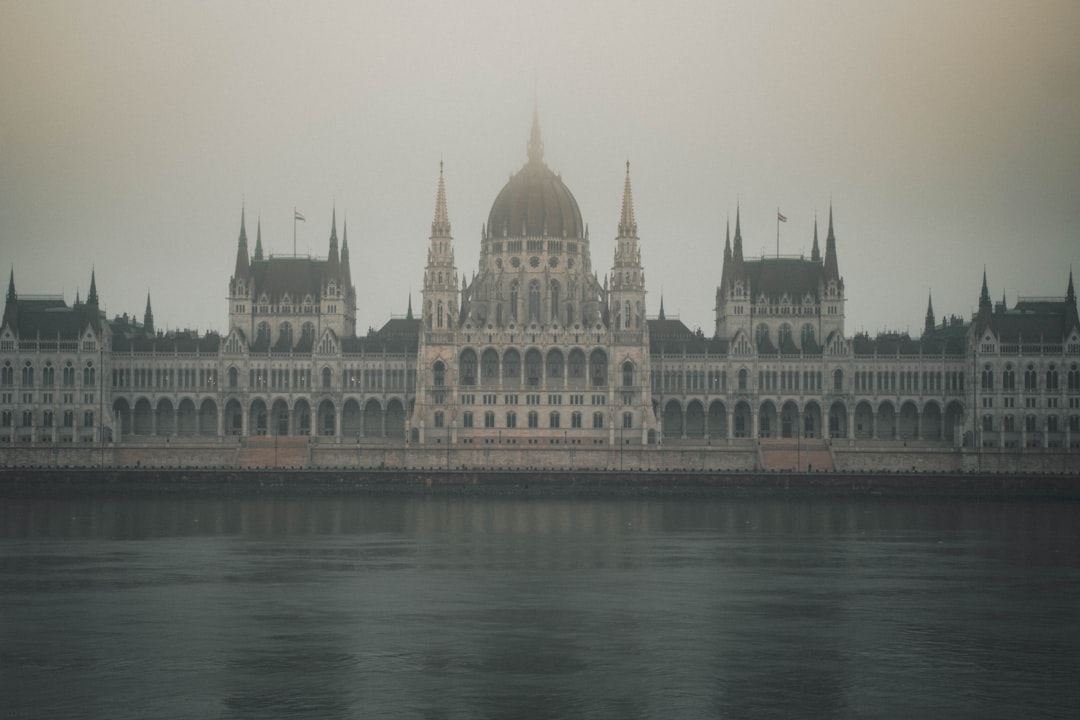
The Hungarian opposition Tisza Party has pulled ahead of Prime Minister Viktor Orbán's ruling Fidesz party in several traditional government strongholds, according to new polling released Monday, raising the possibility that Orbán's 15-year grip on power could face its most serious electoral challenge on April 27.
The survey, conducted by Závecz Research, shows Tisza leading Fidesz by 3-5 percentage points in constituencies across eastern Hungary that the ruling party has won comfortably in every election since 2010. Nationwide, Tisza holds a narrow 33-31 advantage, within the poll's margin of error but representing a remarkable turnaround for an opposition that has spent over a decade fragmented and demoralized.
"This time feels different," said Péter Magyar, Tisza's leader and a former Fidesz insider who broke with Orbán last year. "The opposition has finally consolidated behind a single platform with a credible alternative vision. Voters see they have a real choice."
What makes this electoral challenge unique is that the opposition has learned from past failures and avoided the trap of fragmentation. In previous elections, anti-Orbán forces split votes among multiple parties, allowing Fidesz to win supermajorities despite securing less than 50% of the popular vote. Tisza has absorbed or formed coalitions with most significant opposition parties, presenting a unified front.
To understand today's headlines, we must look at yesterday's decisions. Orbán has systematically reshaped Hungary's political system since 2010, using constitutional supermajorities to redraw electoral boundaries, bring media under friendly control, and direct state resources to reward loyalists. These advantages remain formidable. But economic headwinds, corruption scandals, and Orbán's increasingly isolated position in Europe have created openings for opposition.
The economic context is particularly significant. Hungary faces the highest inflation in the European Union, the weakest currency among EU members, and has had billions in EU funds frozen due to rule-of-law concerns. Teachers, healthcare workers, and other public sector employees have staged unprecedented protests over wages that have failed to keep pace with rising costs.
"Orbán built his political model on delivering rising living standards and economic stability," said Zsuzsanna Szelényi, a political analyst at the Central European University. "When that contract breaks down, his support becomes vulnerable in ways it hasn't been before."
The EU implications of a potential Orbán defeat would be profound. Hungary has used its veto power to block or delay key EU initiatives on Russia sanctions, Ukraine aid, and rule-of-law enforcement. A new government committed to rejoining the European mainstream could fundamentally alter bloc dynamics.
Brussels has been careful not to appear to favor any party in the Hungarian election, but EU officials make no secret of their hope for political change in Budapest. European Commission President Ursula von der Leyen pointedly declined to meet with Orbán during her last visit to Hungary, instead holding discussions with opposition leaders and civil society groups.
Tisza's platform emphasizes returning Hungary to "normal European democracy"—code for dismantling the state capture mechanisms Orbán has built. The party pledges to restore judicial independence, end state control of media, and negotiate release of frozen EU funds by addressing rule-of-law concerns.
But translating polls into electoral victory remains challenging. Fidesz controls state media, which reaches much of rural Hungary where Tisza's support is weakest. The ruling party can deploy vast resources for voter mobilization, and gerrymandered district boundaries provide structural advantages. Orbán has also proven adept at manufacturing late-campaign crises to rally nationalist sentiment.
"I'll believe it when I see it," said one Western diplomat in Budapest who requested anonymity. "Orbán has survived countless predictions of his political demise. He's a masterful campaigner, and he controls all the levers of state power. Polls are one thing; winning under these conditions is another."
The next three weeks will reveal whether Hungary is on the verge of a political earthquake or if Orbán will once again defy expectations and secure another term.