Skeletal remains discovered during bus stop construction on Rottnest Island have prompted an immediate investigation, bringing Australia's brutal colonial history back into sharp focus.
Workers uncovered the bones while excavating for a new bus stop on the island, located off the coast of Western Australia. The discovery is particularly sensitive because Rottnest was used as an Aboriginal prison from 1838 to 1931, where hundreds of Indigenous men died in custody.
The island — known as Wadjemup in the local Noongar language — served as a brutal detention facility for Aboriginal prisoners from across Western Australia. Men were sent there for minor offenses, or simply for being Aboriginal in the wrong place at the wrong time. Many never came home.
Historical records suggest that at least 370 Aboriginal men died on the island during the prison's operation, though the actual number is likely higher. Many were buried in unmarked graves. The prison closed in 1931, but the trauma it inflicted on Aboriginal communities endures.
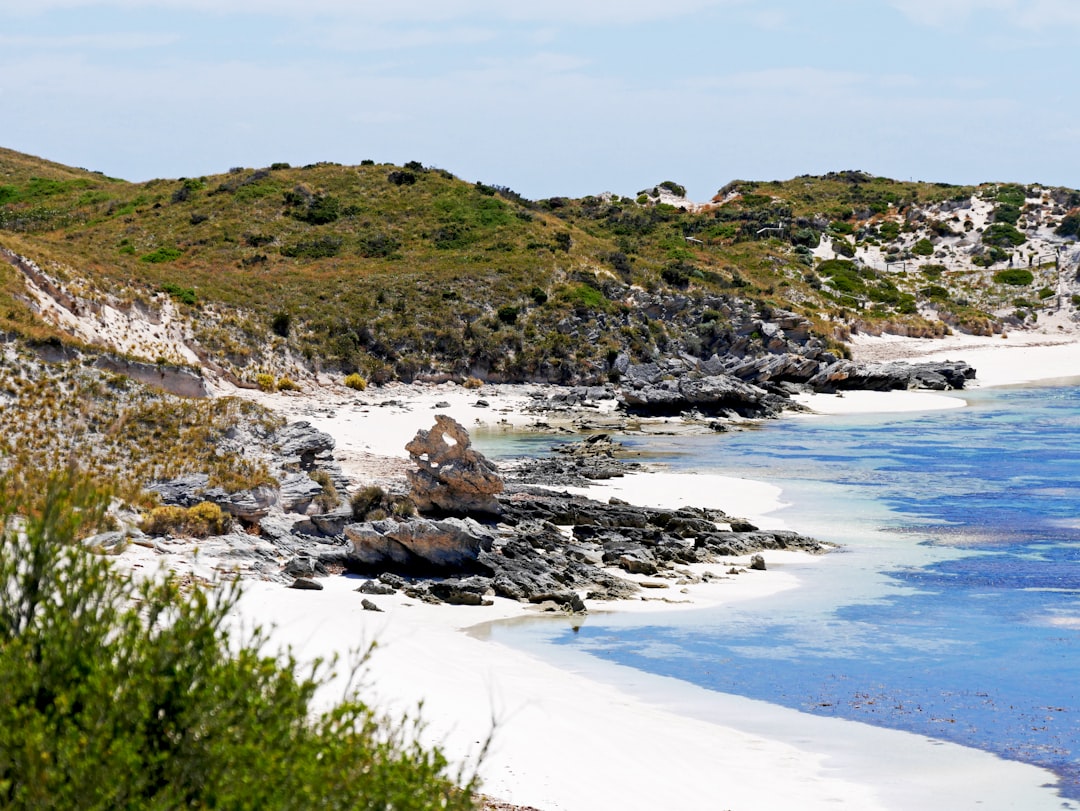
Today, Rottnest is best known as a tourist destination, popular with families and day-trippers who come to see quokkas and swim at pristine beaches. But underneath that image is a darker history that Australia is still reckoning with.
The discovery of human remains during construction is not the first on the island. Previous excavations and natural erosion have uncovered skeletal remains, some confirmed to be Aboriginal prisoners.
Local Aboriginal leaders have long advocated for greater recognition of Rottnest's history. There's an ongoing push to properly identify and honor those who died there, and to ensure that development on the island respects the cultural and historical significance of the site.
The Western Australia government and the Rottnest Island Authority have launched an investigation into the latest discovery. Forensic analysis will be conducted to determine the age and origin of the remains, and whether they belong to an Aboriginal prisoner.
Mate, there's a whole continent down here with a colonial history that's still being excavated — sometimes literally. isn't just a holiday island. It's a graveyard. And every time bones are found, it's a reminder that reconciliation isn't just about words. It's about acknowledging what happened, and making sure it's never forgotten.