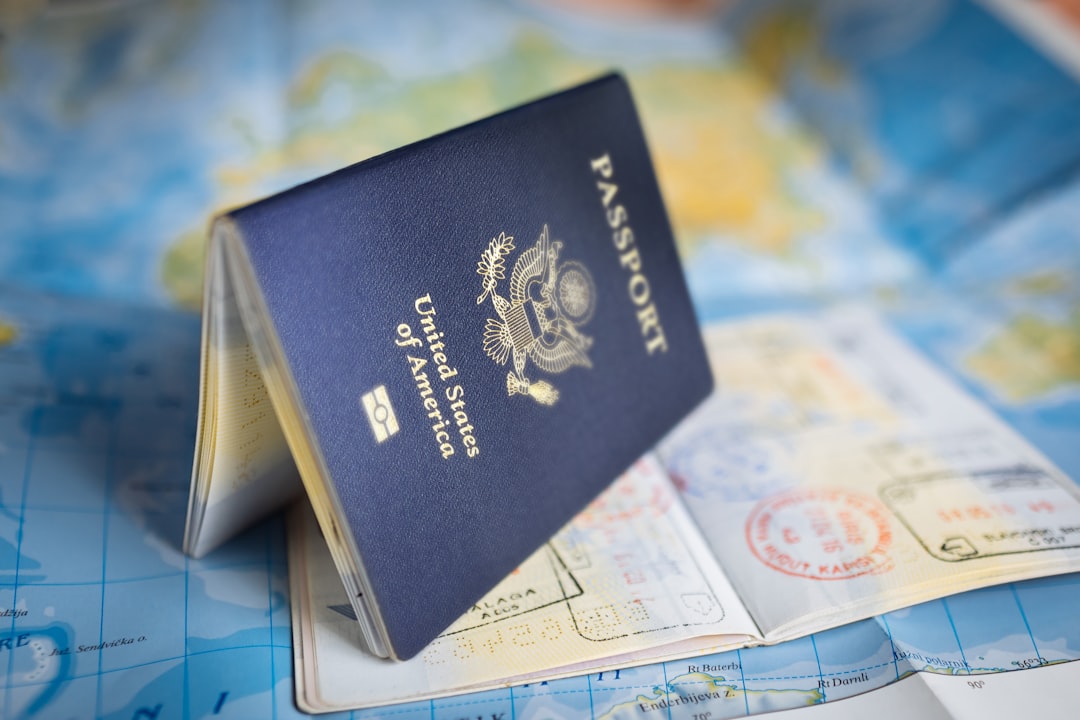
If you're a digital nomad banking with HSBC Expat in Jersey, this is your warning. A detailed account recently posted on r/digitalnomad reveals how the bank froze tens of thousands of dollars for nearly a year, violated regulatory deadlines, and offered insulting compensation.
Here's exactly how it went down.
The Algorithm Freeze
Early in 2025, HSBC Expat's automated system flagged the nomad's account. Without warning, they froze tens of thousands of dollars in personal savings. The account holder had done nothing illegal - the algorithm simply decided the account looked suspicious.
In the world of offshore banking, you're guilty until proven innocent.
The Illegal Silence
The account holder filed a formal complaint. Under Channel Islands financial regulations, the Channel Islands Financial Ombudsman (CIFO) requires banks to respond within 90 days.
HSBC Expat ignored the deadline entirely. They ghosted the customer for months past the legal requirement.
That's not just bad customer service - that's a regulatory violation.
The Incompetence
Late in 2025, HSBC Expat finally decided to close the account and release the funds. But they refused to send the money to the account holder's actual residence. Instead, they demanded a bank account in a country where the person didn't even live.
This despite having valid residency documentation on file.
The Admission
When HSBC Expat eventually released the funds in early 2026, they sent a final letter that admitted in writing that "their instructions did not clearly explain the requirements and made my journey difficult."
Let that sink in. They froze someone's life savings for nearly a year, violated regulatory response deadlines, created bureaucratic chaos with contradictory instructions, and then casually admitted they messed up.
The Insult: Compensation Offer
HSBC Expat's compensation offer?
• A couple hundred dollars in interest • A "tiny nominal amount" for distress and inconvenience
They calculated compensation as if the delay was only a few weeks, not nearly a year. The account holder rejected the offer and filed a claim with the Channel Islands Financial Ombudsman for statutory interest and severe damages.
They also submitted a Data Subject Access Request (DSAR) to obtain internal emails proving HSBC lied about the timeline.
The Offshore Banking Trap
HSBC Expat specifically markets to expats and digital nomads, positioning itself as the solution for people who live internationally. The pitch is appealing: manage your money from anywhere, multi-currency accounts, global access.
But this case exposes the dark side: when an offshore bank flags your account, you lose access to your own money, and there's almost nothing you can do about it.
You can't walk into a branch. You can't escalate to a local regulator who cares. You're stuck waiting for a bank in Jersey to decide whether you deserve access to your own funds.
Why This Happens to Digital Nomads
Banks flag nomad accounts because the activity looks "unusual":
• Frequent international transactions • Deposits from multiple countries • No stable residential address • Income from freelance/remote sources
To an algorithm trained to detect money laundering, digital nomad banking activity looks suspicious. So accounts get frozen, and customers spend months trying to prove they're not criminals.
Safer Banking Alternatives for Nomads
If you're relying on HSBC Expat (or similar offshore banks), consider diversifying:
1. Keep a traditional U.S. bank account (Chase, Bank of America) for stability 2. Use Wise (formerly TransferWise) for international transfers and multi-currency needs 3. Consider Revolut or N26 for European banking (though they have their own issues) 4. Open a local account in your primary country of residence 5. Never keep all your money in one account - especially an offshore one
What to Do If This Happens to You
1. Document everything: Save all emails, letters, and communications 2. File a formal complaint: In writing, with clear dates and amounts 3. Escalate to the regulator: For HSBC Expat Jersey, that's the Channel Islands Financial Ombudsman 4. Submit a DSAR: Request all internal communications about your account 5. Don't accept lowball offers: Calculate actual damages and statutory interest 6. Share your story: Public pressure matters
The nomad concluded their warning: "Do not trust these guys with your livelihood. If their system flags you, you are guilty until proven innocent, your money is gone for a year, and they will literally break the law to avoid paying you fair compensation."
Get your money out before you end up in the same trap.