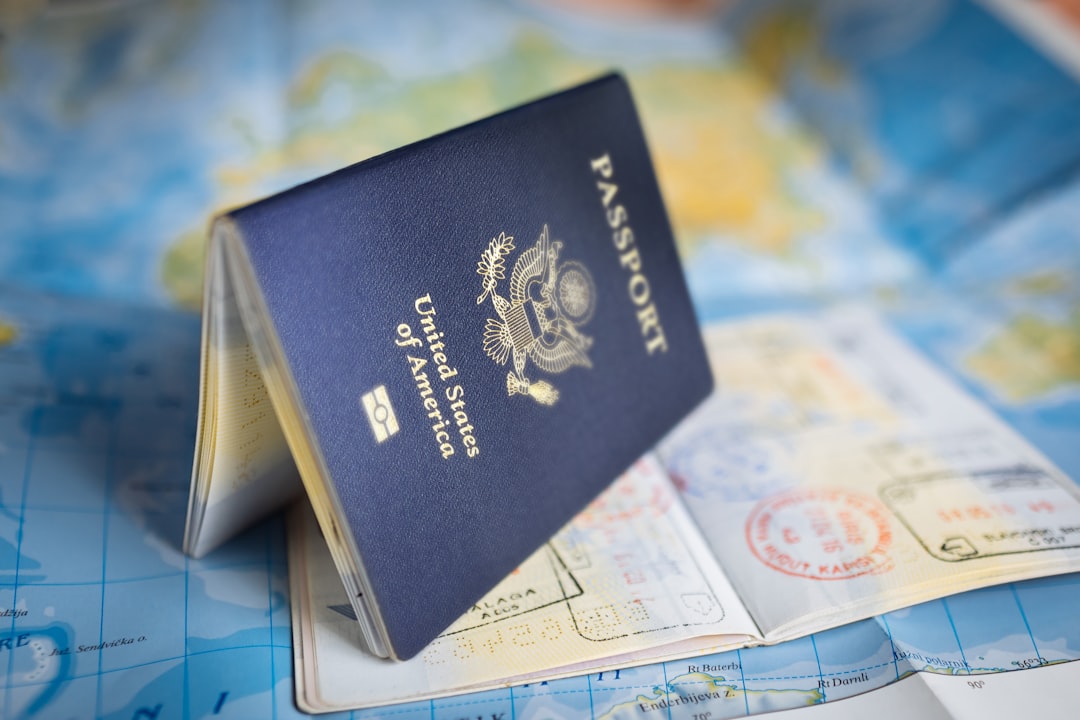
A traveler preparing for a work trip to the Middle East recently asked what many have wondered: Is iVisa legit, or is it a scam?
The confusion is understandable. On TrustPilot, iVisa has tens of thousands of positive reviews. On Reddit, you'll find threads calling it a ripoff. So which is it?
The answer reveals a bigger problem: travelers have no idea how to evaluate visa assistance services, and the industry makes it intentionally confusing.
What iVisa Actually Does
iVisa is a visa assistance company. They don't issue visas - governments do that. What they offer is:
• Application review to catch errors before submission • Document preparation assistance • Application submission on your behalf • Customer support if something goes wrong • Faster processing options (when available)
In exchange, they charge a service fee on top of the government visa fee. For some countries, that markup can be substantial.
The "Scam" Accusations Explained
Most "iVisa is a scam" complaints fall into a few categories:
1. Price shock: Travelers don't realize they're paying iVisa's service fee PLUS the government fee. When they discover they could have applied directly for less, they feel ripped off.
2. Processing delays: iVisa can't make governments work faster. If a visa takes 3 weeks, it takes 3 weeks. Some users blame iVisa for delays outside their control.
3. Application rejections: Visa assistance companies can review your application, but they can't guarantee approval. If your visa is denied for legitimate reasons (insufficient funds, incomplete documentation), that's not iVisa's fault.
4. Misleading marketing: Some users feel iVisa's website makes it look like they're the official government site, leading people to pay service fees without realizing there's a cheaper direct option.
The TrustPilot Paradox
So why does iVisa have "tens of thousands of positive reviews" on TrustPilot while Reddit threads call it a scam?
Two reasons:
1. Self-selection bias: People who successfully get their visas and found the service helpful leave positive reviews. People who feel ripped off or encounter problems head to Reddit to vent.
2. Different expectations: Business travelers with expense accounts don't care about paying extra for convenience. Budget backpackers see the markup as an unacceptable ripoff.
Both groups are being honest about their experience. They just have different priorities.
When Visa Services Are Worth It
Here's the practical breakdown:
Use a service like iVisa when: • Your employer is paying (no reason not to) • You're applying for a complex visa with high rejection rates • You don't speak the language of the country you're visiting • You have limited time and need hand-holding • The service fee is small relative to your trip cost • You've never applied for a visa before and are genuinely confused
Apply directly when: • You're on a tight budget • The visa application is straightforward (e.g., India e-visa, Vietnam e-visa) • You're comfortable with bureaucracy and have time to figure it out • The service markup is unreasonably high
How to Avoid Getting Ripped Off
1. Check the official government visa website first. Know what the actual visa costs before looking at third-party services.
2. Understand what you're paying for. If you're paying $200 for a visa that costs $50 from the government, ask yourself if the $150 service fee is worth it.
3. Read reviews carefully. Look for patterns. If people complain about price, that's subjective. If people complain about fake tracking numbers or being unable to reach customer service, that's a red flag.
4. Never use a service that claims they can guarantee approval. No one can guarantee that except the government.
The traveler who asked about iVisa noted their job "has no problem paying extra" and they "couldn't risk getting rejected." In that case, yes, using iVisa is reasonable. They're paying for peace of mind and convenience.
But if you're a backpacker on a shoestring budget? Learn to navigate government visa websites yourself. The money you save can fund an extra week of travel.