

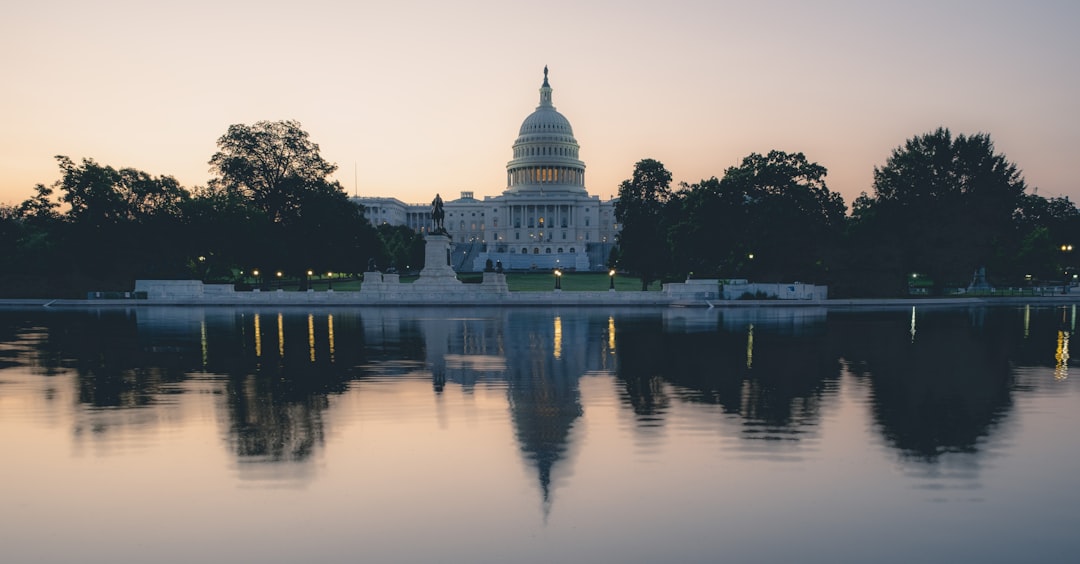
The exodus of House Republicans from Congress is accelerating at a historic pace, as a growing number of veteran lawmakers conclude that the dysfunction gripping Capitol Hill has made the job untenable.
According to congressional tracking data, the number of House Republicans announcing retirement or resignation ahead of the 2026 midterm elections has reached levels not seen in decades. The departures span the ideological spectrum—from hardline conservatives to moderate problem-solvers—suggesting the dysfunction transcends partisan factional fights.
"This isn't about ideology anymore," said one retiring Republican congressman from the Midwest who requested anonymity to speak candidly. "It's about whether Congress can actually function as an institution. And right now, the answer is no."
The mass departure has profound implications for the 2026 congressional battlefield. Open seats are inherently more competitive than those with incumbents seeking reelection, potentially giving Democrats opportunities to flip districts even in challenging political terrain. Conversely, some Republican retirements occur in safely red districts where the real contest will be determined in primaries.
For Washington insiders, the retirements represent more than electoral math—they signal a crisis of governance. When experienced legislators who know how to craft legislation, negotiate compromises, and navigate parliamentary procedure choose to leave, institutional knowledge walks out the door with them.
The dysfunction has multiple sources: narrow House majorities that give individual members outsized leverage, internal Republican divisions that have paralyzed floor action, and the perpetual threat of leadership challenges that leave speakers weakened and unwilling to take political risks.
Congressional historians note that previous waves of retirements—such as those in 1994 and 2010—often preceded major electoral realignments. Whether 2026 will follow that pattern remains uncertain, but the sheer number of voluntary departures suggests many lawmakers believe change is coming, one way or another.
The departures also have real-world consequences for Americans whose lives depend on Congressional action. Federal agency funding, infrastructure projects, healthcare policy, and veterans' benefits all require a to move forward. When the House can barely pass basic legislation, those issues languish.



/file/dailymaverick/wp-content/uploads/Becs-roelfmeyer2.jpg)