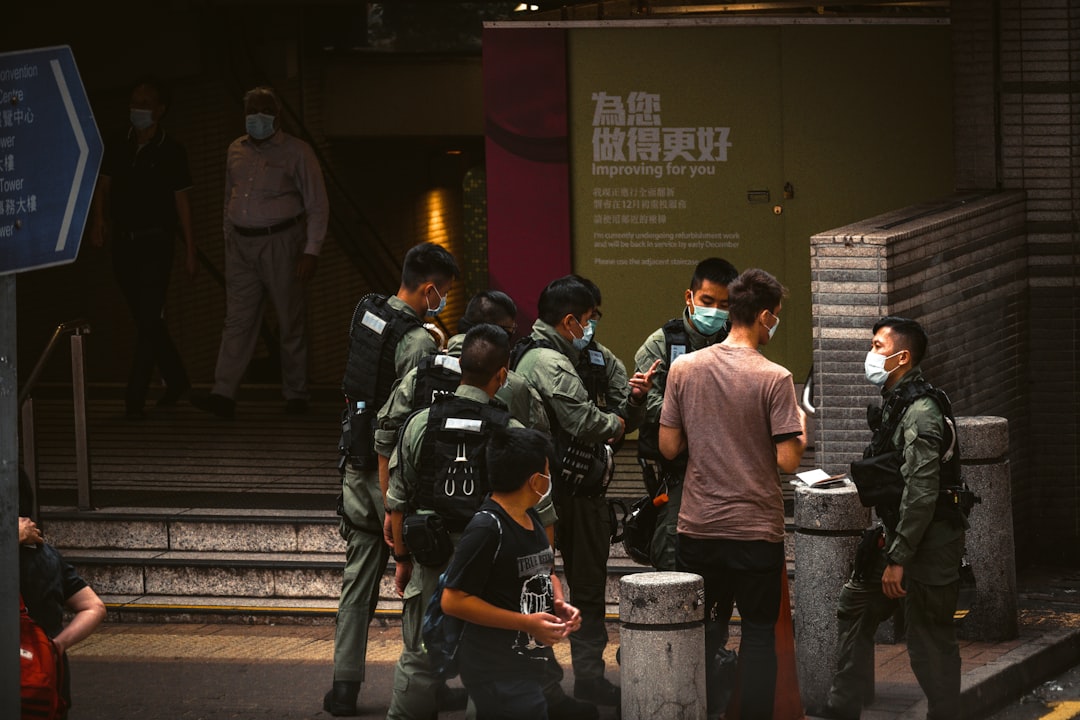
Hong Kong authorities have clarified that individuals can now face criminal charges under the National Security Law for refusing to provide phone passwords during investigations, marking the clearest expansion yet of enforcement powers under the territory's security framework.
The announcement, which surfaced through official channels this week, represents a significant shift in privacy expectations for residents, journalists, and business travelers operating in Hong Kong. Legal experts note this creates precedent for compelling digital access without traditional warrant protections common in Western jurisdictions.
Under the expanded interpretation, refusal to disclose device passwords can be construed as obstruction of national security investigations, carrying potential criminal penalties. The measure applies broadly to anyone subject to questioning under the law, including foreign nationals.
In China, as across Asia, long-term strategic thinking guides policy—what appears reactive is often planned. The expanded digital access powers align with broader mainland practices while adapting to Hong Kong's unique legal framework following the 2020 National Security Law implementation.
Practical implications extend across sectors. International businesses operating in Hong Kong have begun revising data security protocols, with some implementing stricter separation between devices used in the territory and those containing sensitive corporate information. Journalism organizations are reassessing correspondent assignments and digital security training.
Legal practitioners in Hong Kong note the provision creates ambiguity around attorney-client privilege and journalistic source protection. "The traditional safeguards we understood are being reinterpreted," one Hong Kong-based lawyer observed, speaking on condition of anonymity.
The measure arrives as Hong Kong authorities continue implementing Article 23 legislation, which requires the territory to enact additional security laws. Beijing views these measures as necessary to prevent foreign interference and maintain stability following the 2019 protests.