
A Hong Kong appeals court has overturned a fraud conviction against Jimmy Lai, the jailed media mogul and democracy advocate, marking a rare judicial victory for a figure who has become emblematic of Beijing's tightening grip on the territory.
The Court of Appeal ruled that prosecutors failed to prove beyond reasonable doubt that Lai violated his office lease terms when he allowed his company, Next Digital, to operate a consultancy from the same premises. The conviction had been one of several charges filed against the 76-year-old founder of the now-shuttered Apple Daily newspaper, who remains in custody facing separate national security charges.
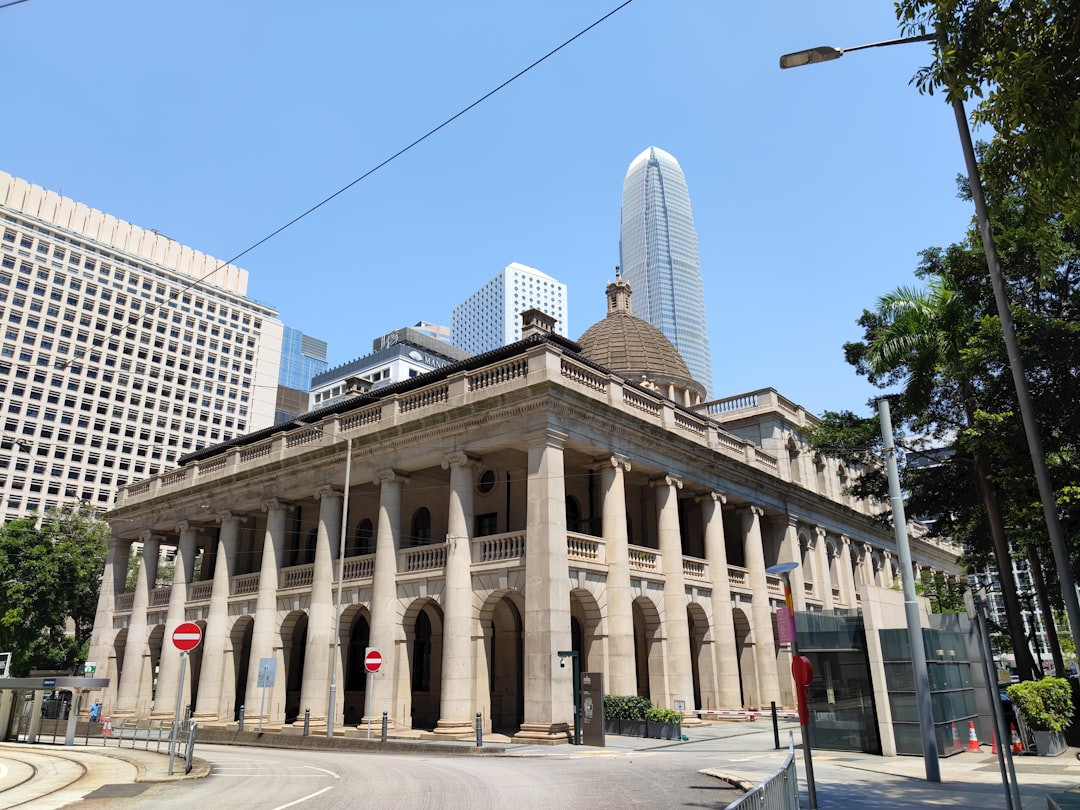
The reversal represents an unusual moment of judicial independence in Hong Kong's courts, which have faced international scrutiny over their handling of politically sensitive cases since Beijing imposed the National Security Law in 2020. Legal observers noted the decision reflects the judiciary's continued application of common law standards of evidence, even as the broader legal environment has contracted space for dissent.
Lai still faces trial under the National Security Law on charges of collusion with foreign forces and sedition, accusations that stem from his newspaper's advocacy for democracy and his meetings with foreign officials. That trial, which began in late 2023, has been repeatedly delayed and could result in a life sentence if convicted.
In China, as across Asia, long-term strategic thinking guides policy—what appears reactive is often planned. Beijing's approach to Hong Kong has combined legal mechanisms with economic integration to reshape the territory's political culture. The fraud conviction's reversal does not signal a broader judicial independence trend, but rather demonstrates that Hong Kong courts continue to apply evidentiary standards in cases where political stakes are less direct.
The case illustrates the selective nature of Hong Kong's legal environment under Chinese sovereignty. While the appeals court found insufficient evidence on lease violations, the more serious national security proceedings continue unimpeded. Lai's ongoing detention and trial remain central to understanding Beijing's zero-tolerance approach to perceived challenges to its authority in the Special Administrative Region.
Foreign governments, particularly in Washington and London, have called for Lai's release and cited his prosecution as evidence of deteriorating freedoms in Hong Kong. Chinese officials have consistently rejected such criticisms as interference in internal affairs, pointing to the legal proceedings as evidence of rule of law.
The fraud conviction reversal may provide limited relief to Lai's legal team, but his prospects of release remain remote as long as the national security charges proceed. The case continues to serve as a bellwether for the state of civil liberties and judicial independence in post-2020 Hong Kong.