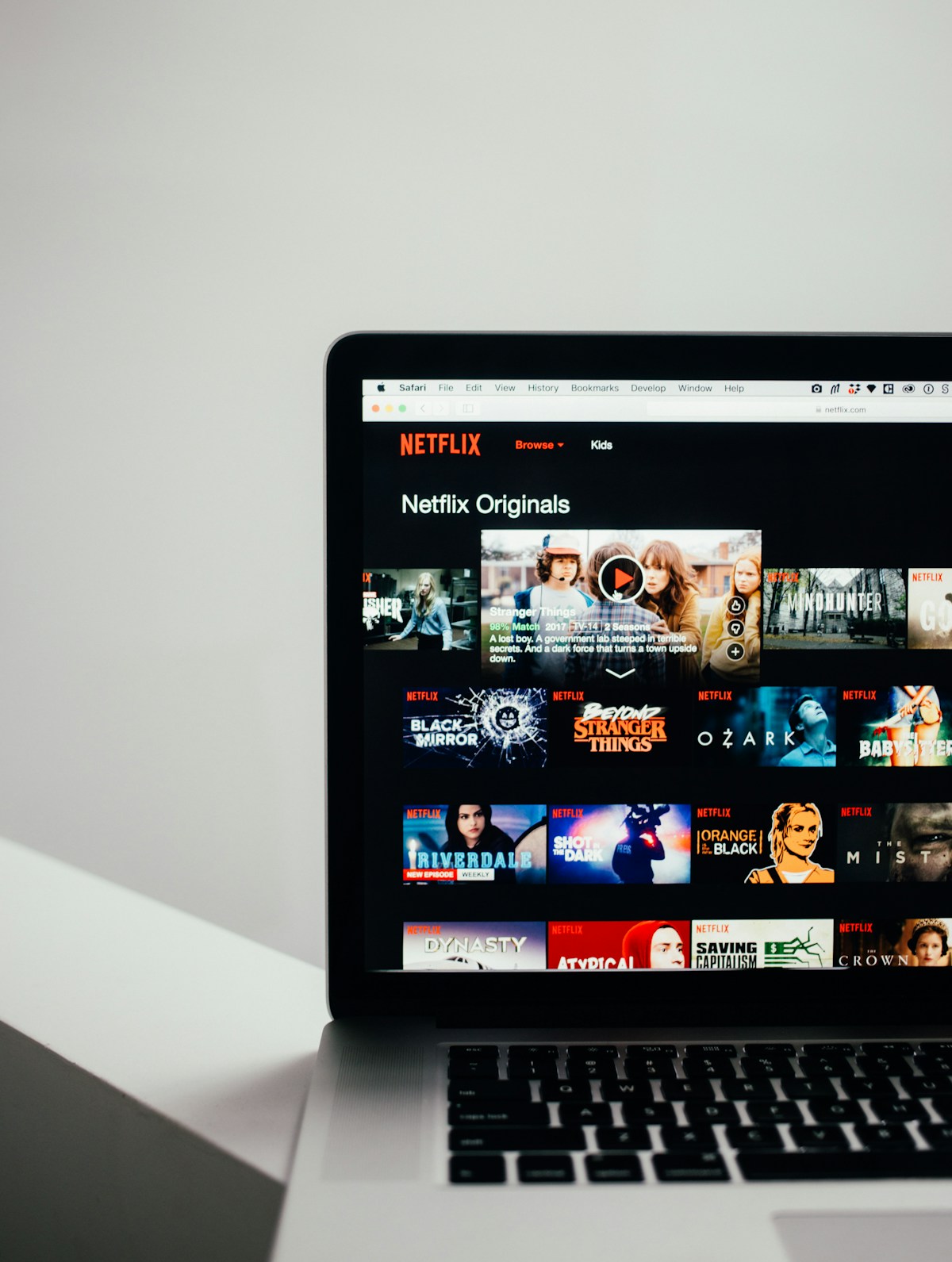

The Warner Bros. Discovery sale to Paramount-Skydance was already controversial. Then Hollywood learned about the presidential involvement, and "controversial" became "horrifying."
According to Politico, multiple industry sources confirm that President Trump played an active, behind-the-scenes role in facilitating the $111 billion deal, personally reaching out to executives and Middle Eastern sovereign wealth fund representatives to help close the financing gap. That's not normal. That's not even in the same zip code as normal.
"This is horrifying," one prominent showrunner told Politico on condition of anonymity. "The President of the United States is acting as a dealmaker for a media company sale backed by foreign governments. How is this not a massive conflict of interest?"
Good question. The answer, legally speaking, is complicated. Presidents have broad authority to engage in economic diplomacy, and there's no explicit statute barring them from facilitating private-sector M&A deals. But there's also no precedent for it—at least not at this scale, and not involving media companies that produce news content and shape public opinion.
David Simon, creator of The Wire and We Own This City, was less diplomatic on social media: "A president engineering the sale of American media to Gulf monarchies is not capitalism. It's corruption with a press release."
The legal concerns break into two categories: antitrust and First Amendment. On antitrust, the President's involvement creates an uncomfortable dynamic where regulators at the FTC and DOJ—who theoretically answer to the executive branch—are now reviewing a deal their boss helped broker. That's not technically illegal, but it's the kind of conflict that makes lawyers nervous and conspiracy theorists gleeful.