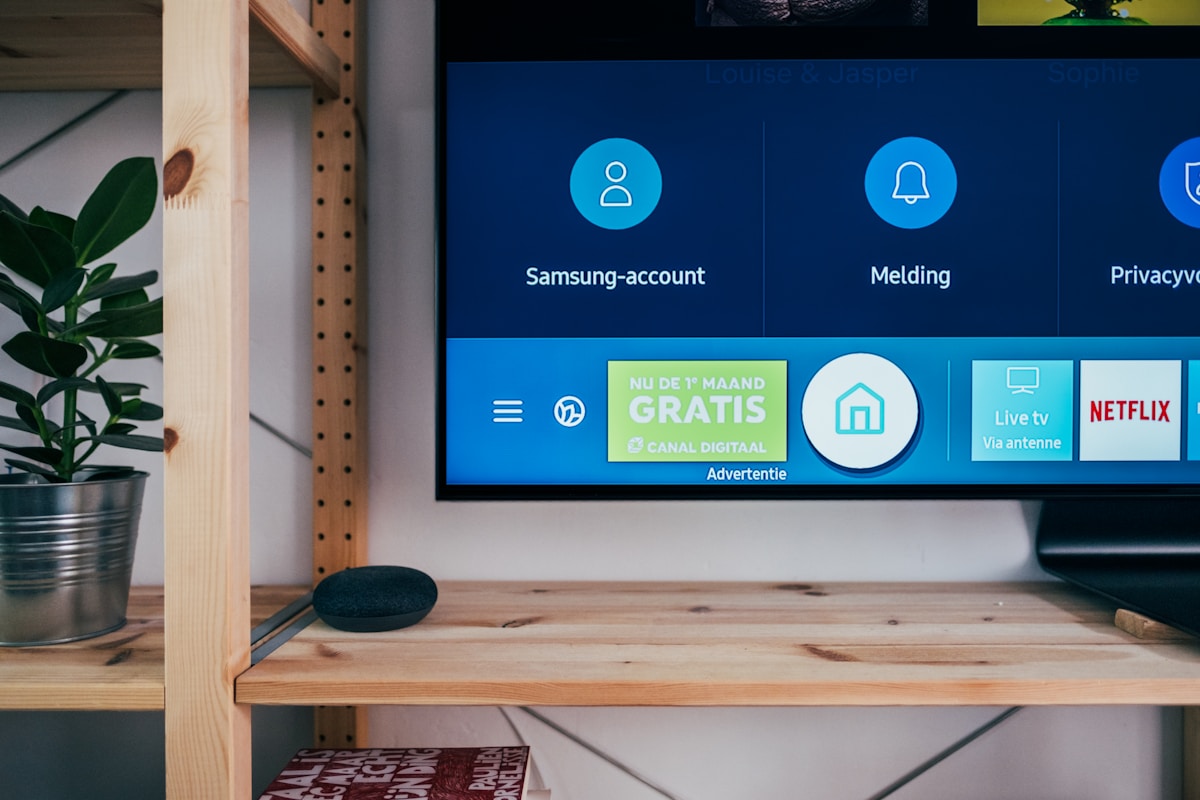
Hisense smart TVs are now displaying advertisements during input switching and boot-up sequences. You can't even plug in your PlayStation without seeing an ad first.
Let that sink in. You bought a TV. You own it. It's sitting in your living room. And the manufacturer is using it to show you ads when you try to use your own device.
Smart TVs have quietly become ad delivery platforms that happen to show video. Hisense is just the latest manufacturer to realize they can monetize every millisecond of your attention. Samsung does it. LG does it. Vizio built their entire business model around it.
Here's what's actually happening: TV manufacturers discovered they were selling hardware at razor-thin margins in a competitive market. Then they discovered they could install an operating system that serves ads and tracks viewing behavior. Suddenly the TV isn't the product - you are.
The economics are compelling for them. Sell the TV at or below cost to win the sale. Make it back through advertising revenue and data sales over the product lifetime. A Vizio executive actually said out loud that they're in the data business, not the TV business.
But here's the part that should make you angry: you don't actually own these devices anymore. Sure, you paid for it. It's in your house. But the manufacturer can push firmware updates that fundamentally change how it works. You bought a TV that switched inputs instantly. Now it shows ads during input switching. You have no say in this.
There's no opt-out. There's no setting to disable it. The terms of service you agreed to when you connected it to WiFi (which you need to do for basically any smart features) gave the manufacturer permission to do whatever they want.
Some people say "just don't connect it to the internet." Great. Now you have a $600 dumb panel with no apps, no updates, and half the features you paid for disabled. And manufacturers are making that harder too - some TVs nag you constantly to connect. Some require connection for initial setup. Some scan for open WiFi networks and phone home anyway.
The correct response is regulation. TV manufacturers should be required to disclose ad practices at point of sale. Users should be able to opt out without losing functionality. Firmware updates that add advertising should require user consent.