Scientists just unveiled a hemp-based plastic alternative that withstands boiling water and biodegrades. It's technically impressive.
The question is whether anyone needs it enough to retool an entire supply chain.
The material, developed by researchers led by Gregory A. Sotzing, uses cannabidiol (CBD) derived from hemp plants instead of petroleum. It can handle boiling temperatures, stretches to 1,600% of its original size, and breaks down naturally instead of persisting for centuries.
As sustainable materials go, it checks every box. Renewable feedstock. Impressive physical properties. Biodegradable end-of-life. This is the kind of innovation that should displace fossil fuel-based plastics.
But "should" and "will" are different propositions.
Plastic replacement has failed before - not because alternatives don't work, but because they're incompatible with existing infrastructure. The entire modern economy runs on petroleum-based polymers. Injection molding machines, supply chains, quality standards, pricing models - all optimized for traditional plastics.
Switching requires more than a better material. It requires retooling factories, retraining workers, rewriting specifications, and convincing procurement departments that the transition cost is worth it.
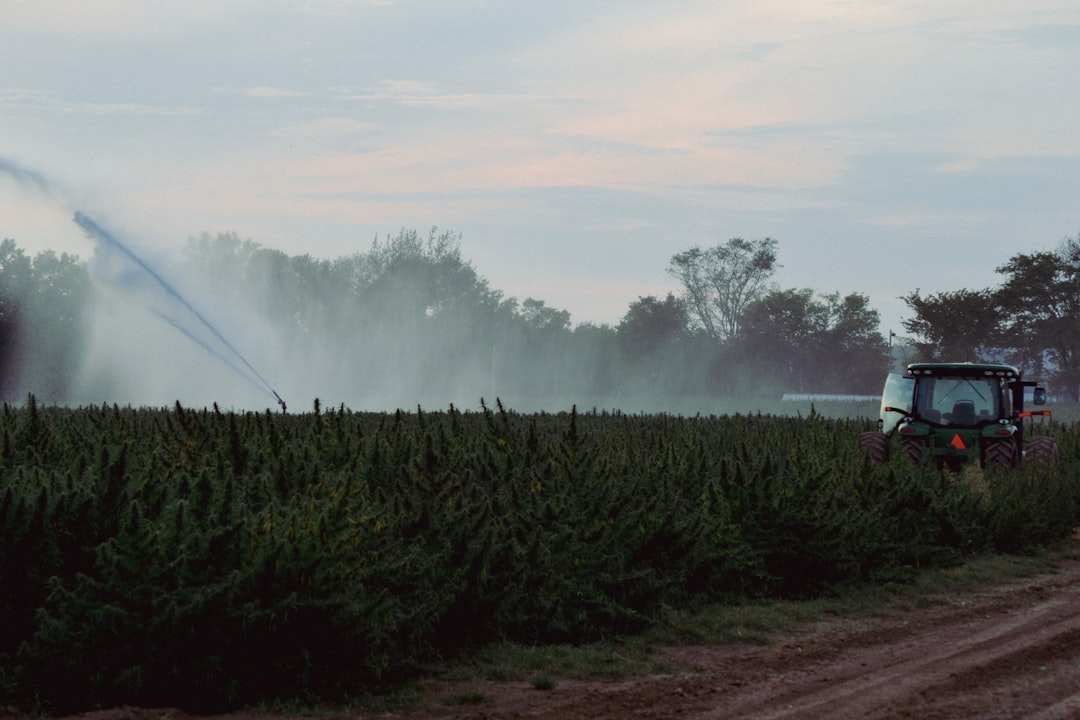
Hemp plastic has additional challenges. Hemp cultivation is legal in most jurisdictions now, but regulatory complexity remains. CBD extraction requires specialized facilities. Quality control for bio-based feedstocks is harder than for refined petroleum.
And despite the impressive stretch properties, hemp plastics typically have different rigidity, temperature resistance, and molding characteristics than conventional polymers. That means products designed for traditional plastic need redesign for hemp alternatives.
This isn't to say it's impossible. PLA (polylactic acid) from corn has carved out a niche in packaging and 3D printing. Bio-based polyethylene from sugarcane is used in some bottles. Mushroom packaging is replacing styrofoam in certain applications.
But those remain niche markets. The bulk of global plastic consumption - 400+ million tons annually - is still petroleum-based. And it's not for lack of alternatives. It's because the economics and infrastructure favor incumbents.