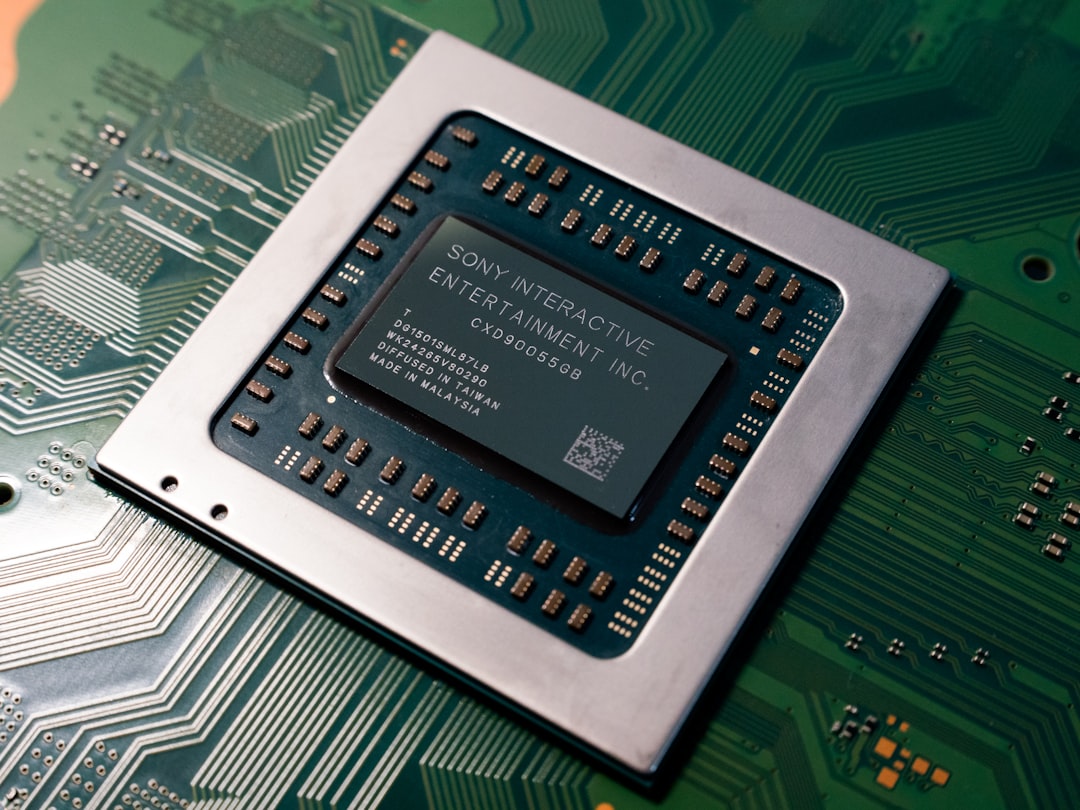
There's a global helium shortage threatening semiconductor manufacturing. This is not the crisis anyone was watching for, but it's real, and according to The New York Times, it's driven by geopolitical disruption in Iran.
Everyone focuses on Taiwan for chip supply anxiety. Meanwhile, helium, an invisible but essential input for chip fabrication, is quietly becoming a bottleneck.
Why Helium Matters
Helium is used for cooling during semiconductor fabrication. Chip manufacturing happens in cleanrooms at precise temperatures. Helium's thermal properties make it ideal for this. There's no good substitute that works as well at the same cost.
This is the kind of obscure dependency that gets ignored until it becomes a crisis. Everyone thinks about chip design, lithography equipment, rare earth elements. Nobody thinks about industrial gases until the supply chain breaks.
Iran is a significant helium producer. Geopolitical instability in the region is disrupting supply. Combined with existing helium scarcity, this creates a genuine bottleneck for chip manufacturers.
How Much Buffer Does the Industry Have?
Not enough. Helium is already in short supply globally. It's a byproduct of natural gas extraction, and production hasn't kept pace with demand. Semiconductor manufacturing is just one of many industries competing for helium supply.
Medical imaging uses helium for MRI machines. Scientific research needs it for superconducting magnets. Industrial applications use it for welding and leak detection. Chip manufacturing is bidding against all of these for limited supply.
If helium prices spike or supply gets constrained further, chip manufacturers have few options. They can't easily switch to alternatives. They can't reduce usage without affecting production quality. They're just stuck paying more or producing less.
Tech community members note that this is exactly the kind of supply chain fragility that keeps getting exposed. The chip industry has so many dependencies that a disruption anywhere can cascade into major problems.
What Happens If This Gets Worse?
In the short term, chip manufacturers will pay more for helium and pass costs to customers. In the medium term, it could constrain production capacity if supply doesn't improve. In the long term, the industry might invest in helium recycling or alternative cooling technologies, but that takes years.