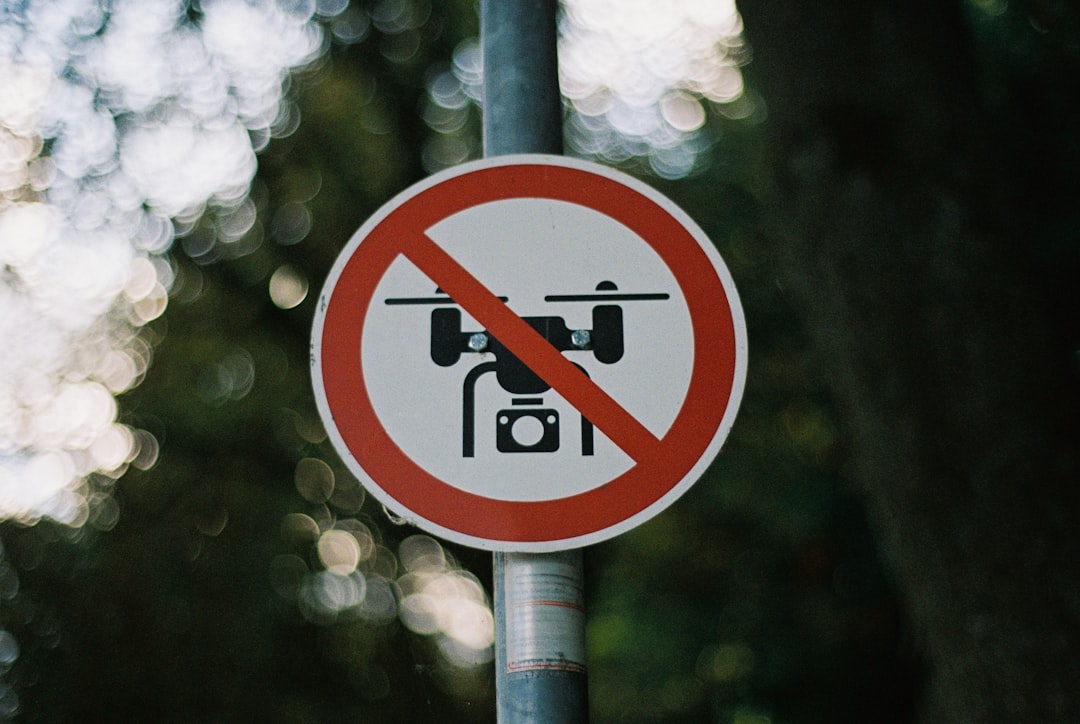
The Guardian is calling this a watershed week for tech regulation. Meta, Google, YouTube, all facing significant regulatory action simultaneously. This isn't one company in trouble. This is a pattern shift in how governments are approaching tech power.
The question I keep asking: is this actually a turning point, or just more noise?
What Actually Happened
Multiple regulatory bodies in Europe and Asia moved against major tech platforms this week. Fines, compliance orders, content moderation requirements, antitrust investigations. The specifics vary by jurisdiction, but the pattern is consistent: governments are done negotiating.
For years, the approach was dialogue. Regulators would raise concerns, tech companies would promise to do better, nothing much would change. That dynamic appears to be over. Now it's enforcement first, talking later.
Meta is dealing with content moderation requirements that threaten business models. Google is facing antitrust pressure on multiple fronts. YouTube is being held liable for recommendation algorithms. These aren't minor compliance issues. They're challenges to core operations.
Will Tech Companies Actually Change?
That depends entirely on whether enforcement mechanisms have teeth. Fines need to be large enough to matter. Compliance orders need to be specific enough to be measurable. Without real consequences, companies will optimize for legal defense rather than behavioral change.
The EU has proven it can impose meaningful fines. Billions, not millions. That gets board attention. But money alone doesn't change business models. The more interesting actions are the structural requirements, forcing platforms to change how algorithms work or how data flows.
If regulators can mandate technical changes, that's different from financial penalties. You can't negotiate your way out of "your recommendation algorithm must work differently." Either you comply or you stop operating in that market.