Helen Zille, the Democratic Alliance's Federal Council Chair, has launched an urgent court application to halt a wage agreement between the Johannesburg municipality and the South African Municipal Workers Union (SAMWU), marking the first major stress test for the Government of National Unity.
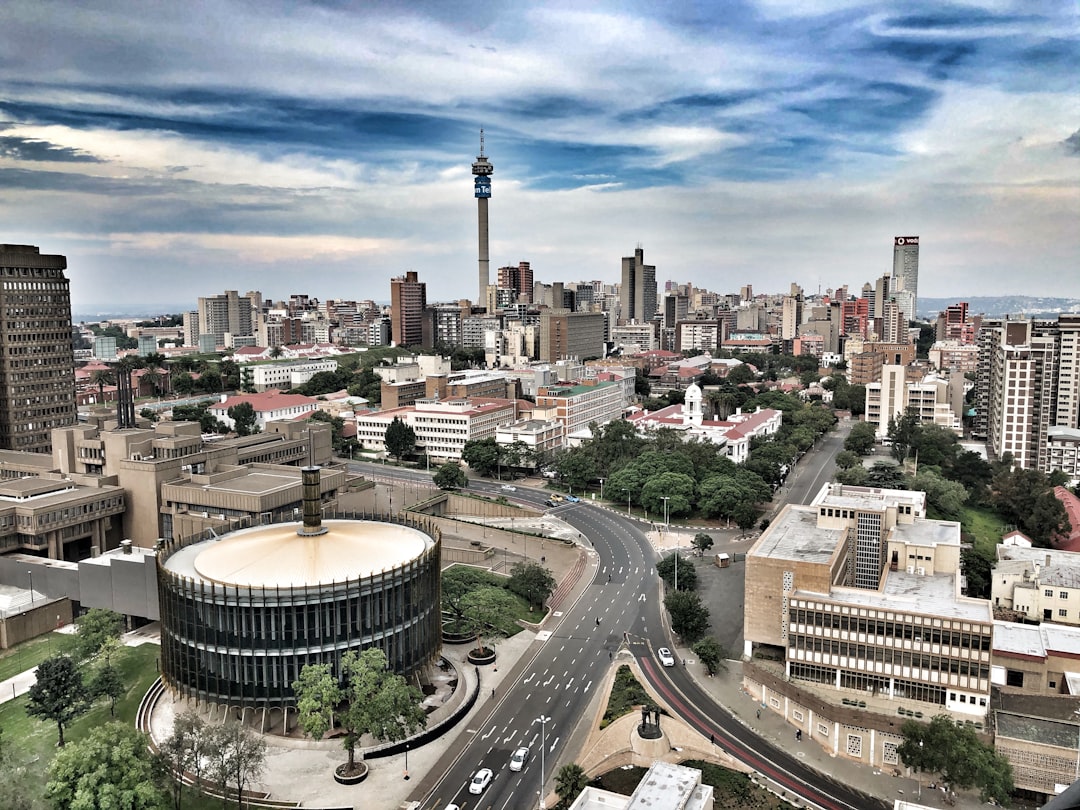
The dispute, <link url='https://www.sabcnews.com/sabcnews/zille-to-lodge-urgent-court-bid-to-halt-joburg-samwu-wage-deal/'>reported by SABC News</link>, centers on a negotiated wage increase that Zille argues the city cannot afford. Johannesburg, South Africa's economic heart, faces severe fiscal challenges including deteriorating infrastructure, irregular electricity supply, and mounting debt obligations that threaten municipal solvency.
The DA's aggressive intervention represents competing visions for managing municipal collapse. Zille has built her political brand on fiscal discipline, arguing that unaffordable wage agreements accelerate the death spiral of service delivery failure. SAMWU counters that municipal workers—who face dangerous working conditions, delayed salary payments, and collapsing public services—deserve fair compensation.
In South Africa, as across post-conflict societies, the journey from apartheid to true equality requires generations—and constant vigilance. Municipal governance sits at the heart of that journey, where service delivery promises meet fiscal reality. The battle over Johannesburg's wage bill illuminates tensions between worker rights and financial sustainability that plague cities across the nation.
The timing is politically sensitive. The DA entered the Government of National Unity with President Cyril Ramaphosa's ANC promising to maintain its distinct identity while sharing national power. Yet in Johannesburg, where both parties govern in coalition, Zille's court action directly challenges agreements negotiated by ANC-aligned officials. This creates awkward dynamics at the national level, where coalition partners must publicly battle over municipal policy.
Zille has never been known for political caution. Her confrontational style has mobilized DA supporters but alienated potential coalition partners. By taking SAMWU to court rather than negotiating political compromises, she signals that the DA will not subordinate its fiscal conservatism to coalition management—even when it strains the GNU.
For Johannesburg residents, the dispute offers little hope for improved services. Whether the wage deal proceeds or not, the city faces structural problems that predate this particular agreement: decades of infrastructure neglect, corruption that has hollowed out municipal capacity, and revenue collection systems that cannot keep pace with service delivery demands. The legal battle over wages does nothing to address these underlying crises.
SAMWU argues that poverty wages for municipal workers perpetuate the inequality that apartheid created. Many workers live in the same underserved communities they are supposed to serve, facing the same water shortages, refuse collection failures, and pothole-riddled streets. Denying them wage increases while executives earn generous salaries represents, in the union's view, continuity with historical injustice rather than transformation.
Yet the mathematics remain brutal. Johannesburg's revenue base has eroded as businesses relocate to better-governed suburbs and middle-class residents install private security, water storage, and solar power—services they once expected from government. This tax base flight creates a vicious cycle: deteriorating services drive out those who can afford alternatives, shrinking the revenue needed to restore services.
The court battle will likely resolve the immediate wage dispute but cannot address the broader municipal crisis. South Africa's cities require fundamental reforms: professionalizing municipal administration, protecting infrastructure investment from political interference, and rebuilding the social compact between residents and local government. Legal interventions offer temporary fiscal relief while postponing the difficult political work of rebuilding state capacity from the municipal level up.