While popular Himalayan destinations struggle with overtourism, India's Harshil Valley offers what travelers claim to seek but rarely find: authentic mountain culture, pristine nature, and the sound of silence.
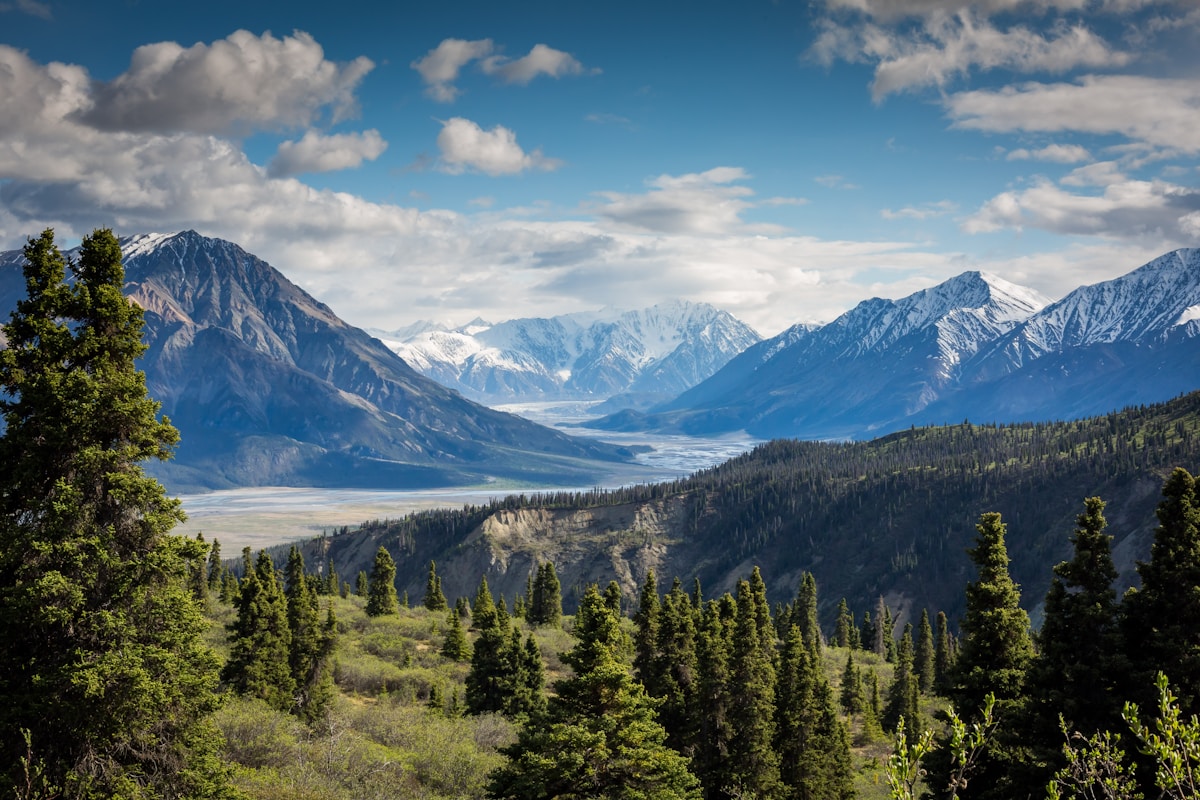
"Hidden deep in the Himalayas, Harshil Valley is where silence, mountains, and the Bhagirathi river create pure magic," according to a recent trip report shared on r/backpacking. The description sounds like marketing hyperbole—except the evidence suggests it's accurate.
The Geography of Isolation
Harshil Valley sits in Uttarakhand state, tucked into the Indian Himalayas at approximately 2,620 meters (8,600 feet) elevation. The Bhagirathi river, one of the main tributaries of the Ganges, flows through the valley, providing both scenic beauty and spiritual significance.
The valley's remoteness isn't accidental. It requires commitment to reach—no quick weekend trips from Delhi. The journey involves mountain roads that wind through terrain too rugged for mass tourism infrastructure.
That difficulty creates the valley's primary asset: peace.
What Overtourism Destroyed Elsewhere
Contrast Harshil with Nepal's Annapurna Circuit, where teahouses now outnumber trees in some sections. Or Manali and Shimla in India, where traffic jams have replaced mountain serenity. Even Ladakh, once a byword for remote adventure, now sees Instagram influencers clogging Pangong Lake.
The pattern repeats everywhere: traveler blogs declare a place "undiscovered," social media amplifies the message, and within two years the destination collapses under visitor weight. Local communities face impossible choices between economic opportunity and cultural preservation.