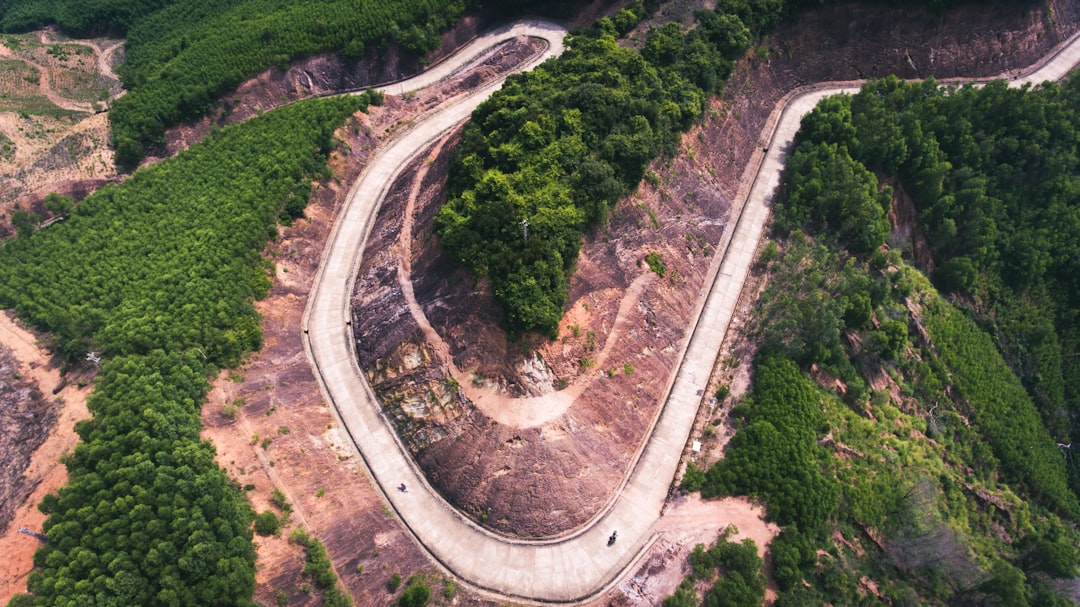
Vietnam's Ha Giang Loop has become Instagram-famous for its stunning mountain scenery—but a solo traveler planning the route is highlighting the practical realities most guides conveniently skip.
In a detailed post on r/solotravel, a traveler with over a year of experience riding scooters in Vietnam broke down the logistics, costs, and challenges of tackling one of Southeast Asia's most spectacular rides.
The Police Fine Reality
"I'm still expecting to very likely pay a 3-5 mil VND fine once, get the receipt, move along," the poster wrote matter-of-factly. That's roughly $120-200 USD—a significant "invisible tax" on the journey that most travelers should budget for.
The issue? Most Western tourists lack proper Vietnamese licensing. While some travelers have expired International Driving Permits (IDPs) from organizations like AAA, Vietnam doesn't technically recognize these documents. Police are well aware of the foreign tourist traffic on the Ha Giang Loop, and fines are nearly guaranteed.
The Bike Question
Travelers face a dilemma: rent a 50cc bike (which would "really suck" on mountainous terrain) or a more capable 150cc semi-automatic motorcycle. The poster, experienced with 110-125cc automatic scooters around Da Nang and Hanoi, is opting for the 150cc despite having "a little bit of experience" with semi-automatics.
The catch? Bigger bikes allegedly mean bigger fines—though anything over 150cc is where the real premium kicks in.
Route Strategies
The traveler is considering the east route, which has one key advantage: "going in the opposite direction of the big tours... which also means you'll encounter them speeding in your direction around blind corners." It's a trade-off between avoiding convoys and facing oncoming traffic on narrow mountain roads.