
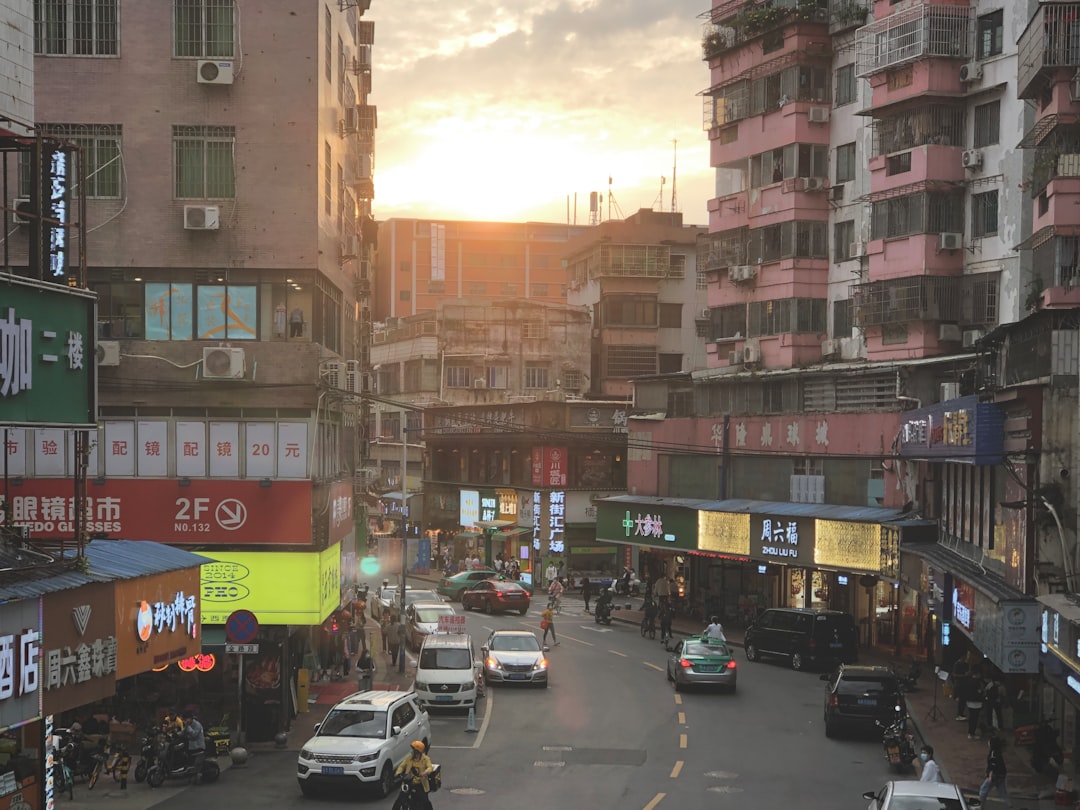
In Guangzhou's Xiaobei district, also known as "Little Africa" or "Chocolate City," thousands of African traders have built what may be the most important commercial bridge between their continent and China.
They are not tourists. They are not students. They are the architects of a trade relationship worth hundreds of billions of dollars annually, working from cramped offices and showrooms to connect Chinese manufacturers with African markets from Lagos to Johannesburg.
"People see 'Made in China' products flooding African markets and assume it just happens," says Kwame Mensah, a Ghanaian trader who has worked in Guangzhou for eight years. "We make it happen. Every container, every product, every price negotiation goes through people like us."
The community emerged in the early 2000s as China's manufacturing boom coincided with African economies opening to Asian imports. Nigerian, Ghanaian, Kenyan, and South African traders discovered they could source everything from textiles to electronics in Guangzhou at prices impossible to match elsewhere.
Today, estimates suggest between 20,000 and 100,000 Africans live and work in Guangzhou, though exact numbers are difficult to verify given visa complications and the transient nature of trade work. What is certain is their economic impact: according to Chinese customs data, approximately 60 percent of China-Africa trade flows through Guangdong Province, where Guangzhou is the capital.
The typical operation involves African traders living in Guangzhou for weeks or months at a time, visiting factories and wholesale markets, negotiating bulk purchases, arranging shipping, and managing quality control. They are import-export specialists, translators, quality inspectors, and cultural brokers simultaneously.