A Chinese research team has developed a method to convert nitrate pollution from agricultural and industrial wastewater into ammonia, potentially creating a circular fertilizer production system that addresses both environmental contamination and resource scarcity.
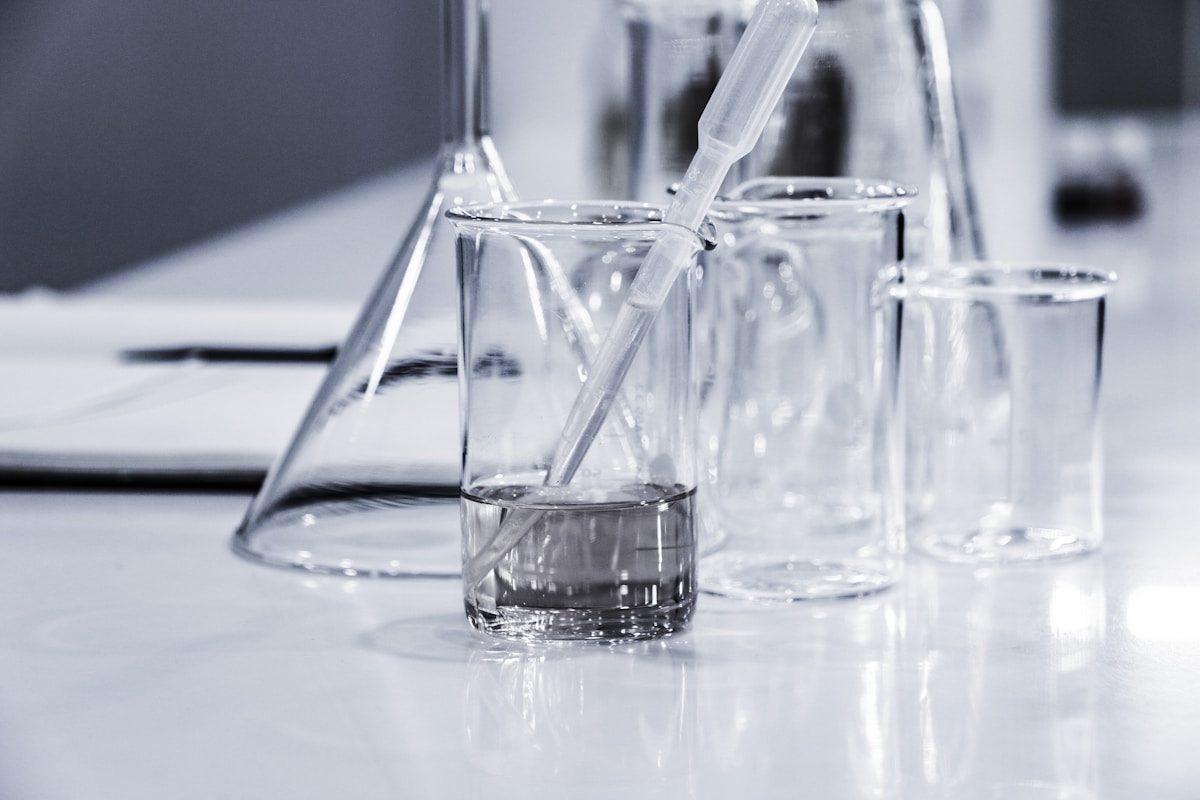
The innovation, published in the Journal of the American Chemical Society, centers on a dual-atom catalyst (DAC) designed using artificial intelligence to identify optimal atomic pairs for the conversion process. Rather than traditional single-atom or nanoparticle catalysts, this two-atom approach facilitates electron transfers and molecular bonding more efficiently during the multi-step transformation of nitrate into ammonia.
According to the researchers, the catalyst demonstrates performance nearly three times more efficient than similar catalysts, translating to substantially higher ammonia yields, improved conversion rates, and minimal waste generation.
The strategic implications extend beyond environmental remediation. Ammonia production via the energy-intensive Haber-Bosch process consumes 1-2 percent of global energy annually. Converting waste nitrate into ammonia could bypass this energy burden while simultaneously reducing pollution, lowering production costs, and decreasing dependence on imported feedstocks—particularly relevant for China, which imports substantial quantities of natural gas for conventional ammonia synthesis.
Watch what they do, not what they say. In East Asian diplomacy, the subtext is the text.
Agricultural and industrial wastewater typically contains excessive nitrate from fertilizer runoff, animal waste, and sewage treatment. This pollution causes ecological damage including algal blooms and dead zones in waterways, plus groundwater contamination risks. Current treatment approaches remain expensive and energy-intensive, often requiring extensive infrastructure.
The research team employed AI to narrow down candidate atom combinations before physical testing, significantly reducing experimental time and resources. This computational approach—increasingly prevalent in Chinese materials science research—proved highly effective in identifying the dual-atom configuration.
For Japan and South Korea, both heavy fertilizer importers with limited domestic production capacity, similar technologies could reduce vulnerability to supply disruptions. Japan imports approximately 95 percent of its fertilizer needs, while South Korea relies on imports for roughly 70 percent.
However, the breakthrough remains in early stages. The team has demonstrated the catalyst's effectiveness only in laboratory settings with small batches. Real-world scalability, handling of mixed contaminants in actual wastewater streams, and industrial application remain unproven. Wastewater contains complex mixtures of organic matter, heavy metals, and other compounds that could interfere with catalyst performance or require additional pre-treatment steps.
The innovation also fits within China's broader strategic emphasis on chemical engineering self-sufficiency and agricultural security. Beijing has prioritized reducing dependence on imported agricultural inputs following supply chain disruptions and geopolitical tensions. Converting domestic waste streams into fertilizer aligns with these objectives while addressing environmental compliance pressures.
The character 循 (xún, "cycle" or "circulation") captures the concept underlying this research—transforming waste into resource, pollution into productivity. Whether the laboratory breakthrough translates to industrial-scale deployment remains the crucial question. If successful, it could reshape regional fertilizer markets and alter strategic calculations around agricultural self-sufficiency across East Asia.