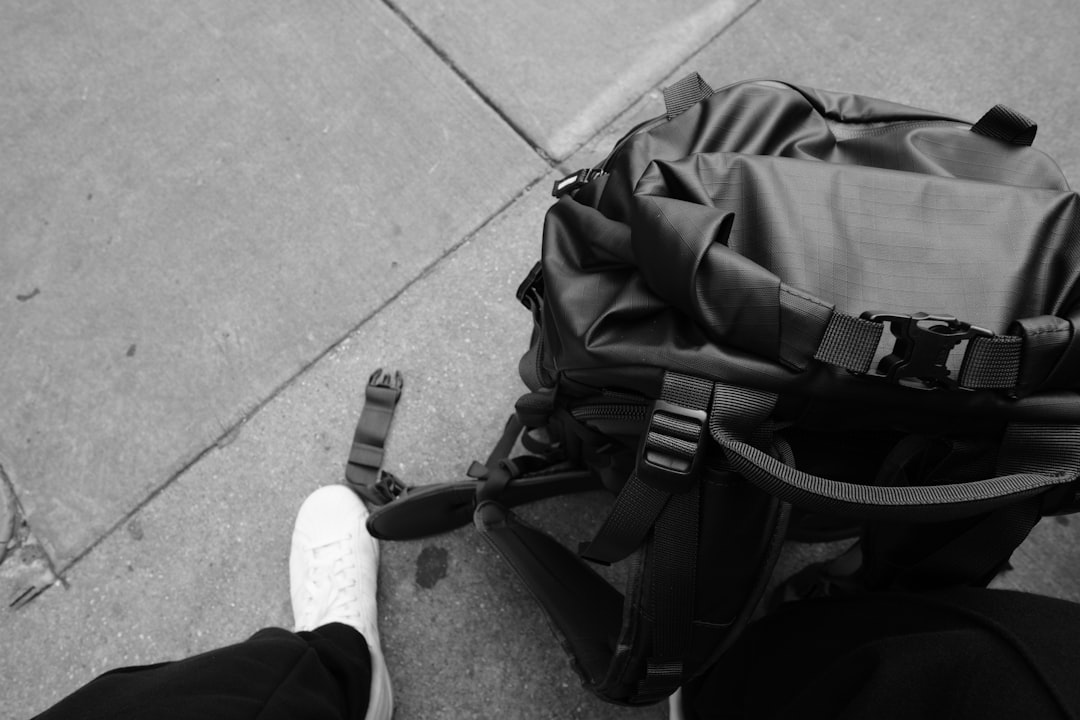
A Greyhound passenger stepped off the bus at a Tennessee gas station for a bathroom break and returned to find the bus—and all their belongings—gone. The shocking incident highlights serious operational issues with long-distance bus travel in the United States and raises urgent questions about passenger rights and company accountability.
According to the traveler's account on Reddit's r/travel, the bus pulled over at a gas station in southern Tennessee due to a mechanical issue. The driver told passengers they could exit the bus, though the timeframe for reboarding remained uncertain.
"I got out of the bus to put in my contacts in the gas station, and when I came back outside the bus (with all my luggage) was gone," the passenger wrote. "Needless to say this has been very stressful for me."
The traveler immediately submitted lost item reports and attempted to contact Greyhound by phone, only to be directed back to the online lost item form they'd already completed. With no customer service recourse and all their possessions aboard a departed bus, they were left stranded in an unfamiliar location.
This isn't just bad service—it reveals structural problems with budget bus travel in America.
Unlike airlines, which have clear liability rules and compensation requirements for lost luggage, intercity bus companies operate in a regulatory gray area. Passengers have minimal legal protections, and companies like Greyhound face few consequences for leaving customers behind.
How to protect yourself on long-distance bus travel:
1. Never leave valuables in checked luggage. Keep essentials—passport, wallet, phone, medications, change of clothes—in a small bag that stays with you at all stops.
2. Set phone alarms for every stop. If the driver says "15 minutes," set an alarm for 12 minutes. Drivers sometimes leave early, especially if they're behind schedule.
Confirm the stop duration and ask what happens if someone isn't back in time. Get the driver's attention so they remember you exited.