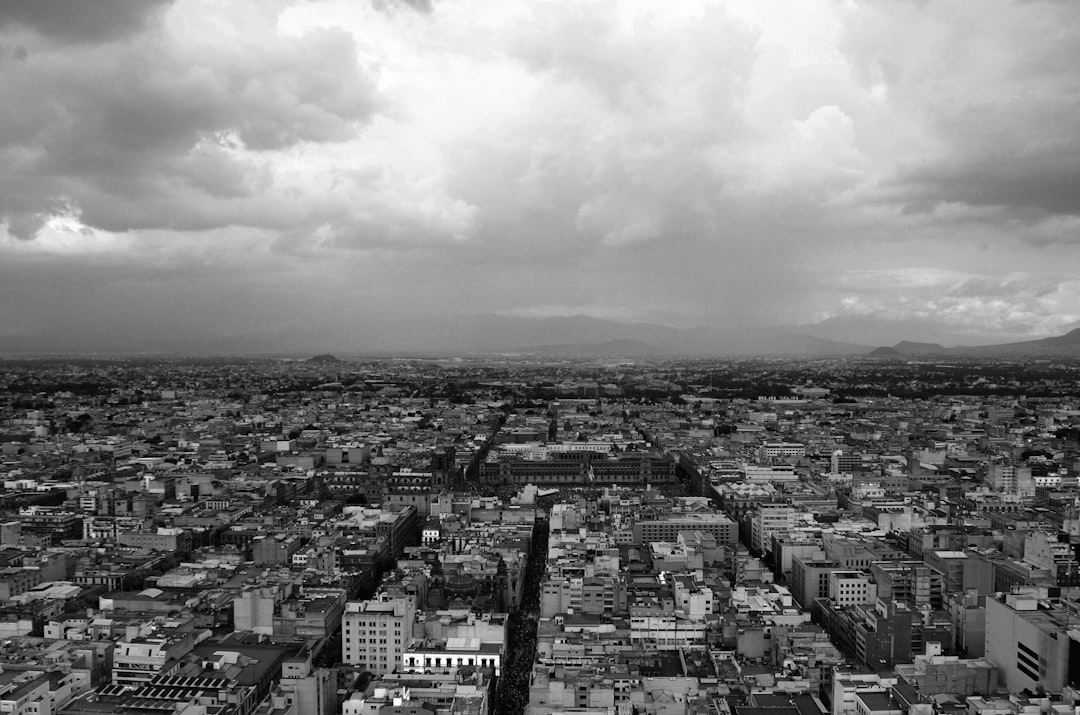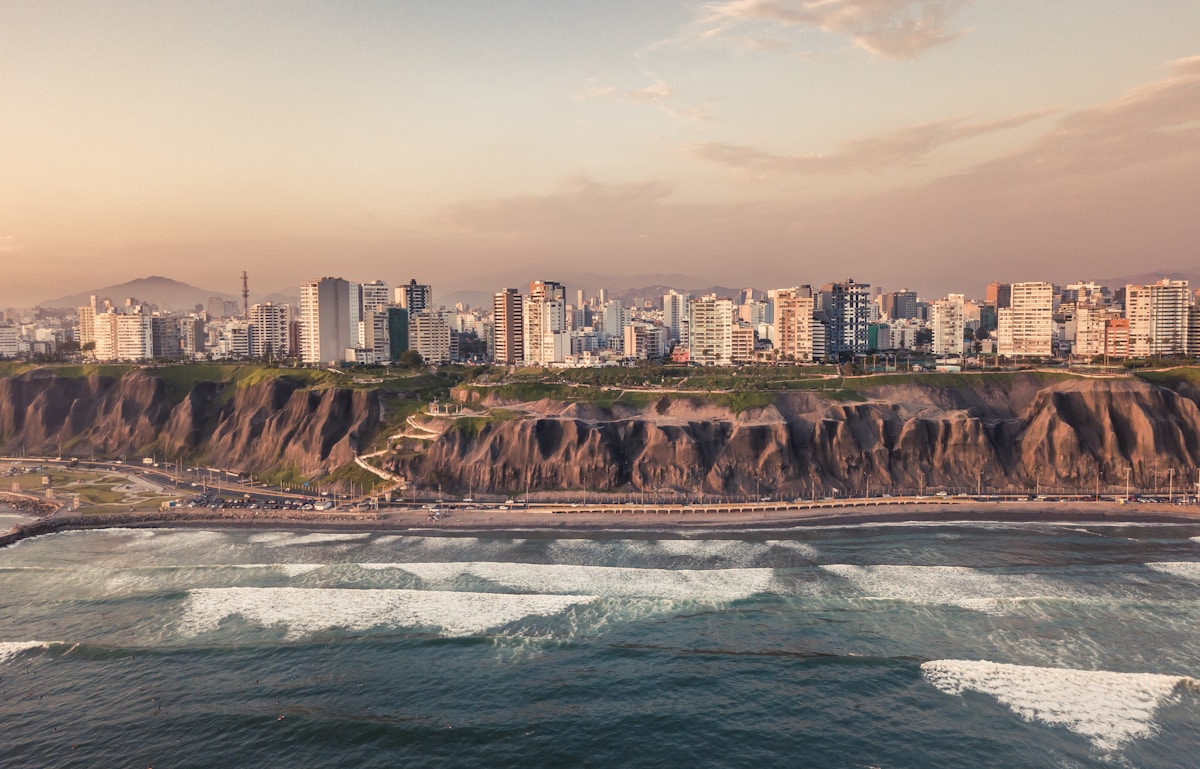
A digital nomad currently loving life in Mexico City is making an unexpected move to Lima, Peru for two months - and the rationale reveals shifting dynamics in Latin American nomad destinations.
"Currently in CDMX and love it, but unfortunately need to leave," they posted to r/digitalnomad, explaining their search for a comparable summer destination.
Their Mexico City experience centered on Nápoles - a neighborhood they described as offering "a great local experience" with easy access to Roma and Condesa for meetups and weekend activities, while being "much quieter, less presence of tourists and lots of local markets and hole in the wall food places to get excellent food for cheap."
Finding that balance elsewhere proved challenging. Colombia was initially considered, but Medellin was rejected as "too hot" for summer, while Bogota seemed "less secure and walkable."
So: Lima.
The decision highlights Lima's emerging position as an underrated Latin American digital nomad destination.
The nomad chose Barranco neighborhood, close to Miraflores - a combination that mirrors the Nápoles/Roma/Condesa dynamic in CDMX. Barranco offers a more bohemian, artistic atmosphere with lower costs, while Miraflores provides the established expat/nomad infrastructure and amenities.
"I've heard it has less to offer overall compared to CDMX but it seems comparable in terms of food, vibrancy (local markets, street life) and cheaper overall," they wrote.
The food comparison deserves attention. Lima has earned recognition as South America's culinary capital, with multiple restaurants in global top-100 lists. The city's ceviche, causa, lomo saltado, and fusion of Japanese-Peruvian (Nikkei) cuisine create a food scene that, while different from Mexico City's, rivals it in depth and quality.
Cost-wise, Lima offers advantages. Accommodation in Barranco or Miraflores typically runs 15-25% less than comparable CDMX neighborhoods. Meals outside tourist zones are notably cheaper. Local transportation via public buses and the Metropolitano BRT system costs a fraction of Mexico City's Metro.
The "vibrancy" factor is more complex. Lima has strong local markets, street life in certain neighborhoods, and cultural depth. However, the city is more spread out than CDMX, and the coastal fog (garúa) from May-November creates a gray atmosphere that lacks Mexico City's visual punch.
Commenters who'd spent time in both cities offered balanced perspectives. Several noted that Lima feels smaller and more manageable than CDMX, which some find appealing and others find limiting.
One commenter wrote: "Lima is great but it's not CDMX. The food is amazing, the neighborhoods are walkable, and you'll spend less money. But it doesn't have the same energy or cultural density."
Another highlighted practical advantages: "Lima's digital nomad scene is growing fast. Coworking spaces in Miraflores and Barranco are solid, the internet is reliable, and the time zone works well for US clients."
Weather emerged as a key consideration. Lima's June-August period brings cool, gray, foggy conditions - rarely rainy, but persistently overcast. This contrasts with CDMX's rainy season, which brings afternoon thunderstorms but also clear mornings.
Some nomads specifically prefer Lima's cooler, fog-shrouded winter as productive "heads-down work" weather, while others find the lack of sun psychologically draining.
The security and walkability comparison to Bogota is notable. Lima's wealthier districts (Miraflores, Barranco, San Isidro) are generally walkable and safe by Latin American standards, with extensive pedestrian infrastructure along the cliff-top Malecón overlooking the Pacific.
The question posed in comments - "should I have chosen Bogota instead?" - reflects the classic nomad dilemma of wondering about roads not taken.
Responses generally supported the Lima choice for someone seeking a CDMX-like experience. Bogota offers advantages (higher elevation, different cultural vibe, proximity to coffee country) but presents more significant security and walkability trade-offs.
Lima in 2026 represents a sweet spot: established enough infrastructure to support remote work, not yet saturated with the nomad crowds that have transformed Medellin and CDMX.
The best travel isn't about the destination - it's about what you learn along the way. And sometimes what you learn is that the next great nomad city is the one people aren't talking about yet.